In Focus This Week
The Road to Widespread Deployment of Next Generation VVSG 2.0-Certified Voting Systems
By William T. Adler and Theo Menon
Bipartisan Policy Center
The transition to next generation voting systems that conform with the federal Voluntary Voting System Guidelines (VVSG) version 2.0 represents a critical opportunity to strengthen the security and accessibility of U.S. elections. VVSG 2.0, which was adopted by the U.S. Election Assistance Commission (EAC) in February 2021, establishes the most rigorous federal standards for certifying voting systems to date.
More than five years later, two systems have been certified to VVSG 2.0, and multiple systems are in the pipeline.
Even after a voting system has been federally certified, deployment does not happen overnight. States first have to certify it, procure it, integrate it into existing systems, and train workers to use it.
This report–The Road to Widespread Deployment of Next Generation VVSG 2.0-Certified Voting Systems– describes the path from VVSG version adoption to widespread deployment of certified systems and identifies obstacles in that path. It also analyzes the age of voting equipment across the country, projects how long it will take to replace this equipment and estimates how much replacement will cost.
Key Findings
- Many states need to replace their voting equipment soon. A significant portion of the nation’s voting devices are approaching the end of their typical and recommended service lifespan. By the 2028 presidential election, the average age of voting equipment, if not replaced, will be about 9.3 years old. While 9 years may not sound old, aging voting systems face real risks: hardware becomes harder to source, software loses support, and maintenance grows more costly for both manufacturers and jurisdictions. Historically, jurisdictions have replaced voting equipment when it reaches about 9.7 years of service. Notably, some states have jurisdictions that continue to use equipment that is nearly 30 years old.
- Certification, procurement, and deployment take years. Federal and state certification processes are complex and time-consuming. Even after certification, procuring and deploying systems can present additional challenges.
- Widespread replacement will be costly. If all voting systems (including direct recording electronic machines, ballot marking devices, hand-fed optical scanners, and batch-fed optical scanners) were replaced in 2028 with VVSG 2.0-certified systems, the total cost would be roughly $2.71 billion, based on historical pricing and manufacturers’ pricing projections. However, this price does not reflect the cost of all election technology required to run an election or the overall cost of conducting elections. All these costs are substantial and ongoing and should be factored into any long-term investment in the nation’s election infrastructure.
- Funding is the most important lever for change and advancement of technology. Large-scale adoption of VVSG 2.0-certified systems will take longer in the absence of sustained, predictable federal investment to supplement local election budgets. Past bursts of the Help America Vote Act (HAVA) grant funding—after the 2000 presidential election and during the COVID-19 pandemic—spurred some equipment upgrades, but irregular and insufficient federal funding has made it difficult for state and local officials to plan replacements in sync with equipment life cycles. Consistent funding for the EAC and its Testing and Certification Program is also essential for ensuring that standards are periodically updated, and systems are certified in a timely and accurate manner.
- State policymakers play an important partnership role in voting system upgrades. State policymakers ultimately determine how voting system certification and procurement takes place; absent federal funding, state and local governments will have to bear the cost of procuring new systems.
- Widespread deployment may be years away. Based on historical replacement trends, more than half of voting equipment will be replaced between 2026 and 2032. However, the timing of replacement does not necessarily mean jurisdictions will replace that equipment with VVSG 2.0-certified systems, especially if federal funding is limited.
electionline Daily News Email
 What’s the best part of waking up? electionline Daily News in your inbox of course so be sure to sign up for your daily dose.
Each morning you’ll receive the top headlines of the day, plus a listing of states featured in that day’s news round up.
To sign up, simply visit our site and provide us with your email and you’ll begin receiving the news in your inbox each morning.
We Google so you don’t have to!
electionline Merch
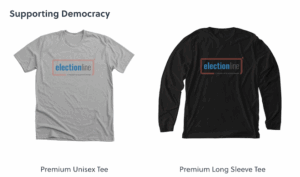 You’ve asked for it, well now you’ve got it! Just in time for all of your holiday gift-giving. We’ve opened up an electionline merch store using Bonfire. Currently we’re offering a couple of different t-shirts, a long-sleeve t-shirt and a hoodie.
Election News This Week
 Federal Update: According to Jonathan Shormann with States Newsroom, the U.S. Department of Homeland Security is walking back, for now, a plan to sweep up data on millions of Americans who vote by mail under President Donald Trump’s executive order restricting mail ballots. In a federal court filing June 8, the Justice Department significantly hedged the data-sharing plan, pulling back from a position the Trump administration advanced last week. DOJ lawyers now cast the idea as in the early stages and dependent on approval of a new U.S. Postal Service rule for mail ballots, citing a memo that Homeland Security Secretary Markwayne Mullin signed earlier that day. “The Secretary authorized DHS to continue preliminary conversations with USPS concerning potential data-sharing arrangements, and should USPS finalize its rulemaking process, consider working to advance potential coordination to the extent feasible and consistent with applicable law and privacy protections,” the notice says. According to NBC News, the Justice Department has placed Kurt Olsen at the U.S. Attorney’s Office for the Southern District of Florida, where the Trump ally is part of a probe into a “grand conspiracy.” He was previously overseeing election security at the White House, where he made a referral to the Justice Department that resulted in an FBI search of an election hub near Atlanta in January. The group Free Speech For People, a nonprofit founded in 2010 that focuses on free and fair elections and rooting out corruption in government, sent 11 Democratic lawmakers a letter June 9 urging them to seek Olsen’s removal from the Justice Department. It wrote that Olsen had “driven efforts to access election systems and documents in Fulton County, Georgia, and Puerto Rico.” Sen. Mark Warner on Sunday called the new acting director of national intelligence, Bill Pulte, “a national security risk.” In an interview on CNN’s “State of the Union,” the Virginia Democrat said Pulte’s lack of national security experience and his loyalty to President Donald Trump pose a threat to election security. “What he could do is take a single piece of intelligence that may not be corroborated or make something up and say, country X is going to interfere or is sending people to encourage non-citizens to vote, and that be used as an excuse for Trump to bring in ICE, federal troops close down elections, seize polling stations,” said Warner, vice chair of the Senate Select Committee on Intelligence. “The list is extraordinarily frightening, and again, this guy doesn’t have any national security background.”
 2026 Elections: Four more states – Maine, Nevada, North Dakota and South Carolina – held primaries this week. And votes continue to be counted in California from their June 2 primary. In Maine, higher than expected turnout forced several cities and towns to call on the secretary of state’s office for additional ballots. At least 11 polling locations had greater than ten minute wait times to vote and several towns had wait times of 45 minutes, including Camden, Falmouth, multiple locations in Portland, Poland, Waterboro, and Yarmouth. Chief Deputy Secretary of State Kate McBrien said she consistently saw steady lines, which poll workers told her had been the case all day. In many places, there was a noticeable absence of the usual lulls between meal times. Several municipalities also had lines forming outside before the polls had opened. “That’s not totally unusual,” McBrien said of the latter, “but it does show people who are eager to vote.” Three races–the Democratic and Republican primaries for governor as well as the 2nd District Democratic primary–will all move on ranked choice voting. In Nevada, Secretary of State Francisco Aguilar described the state’s primary election as running smoothly, reporting no significant technical or security issues throughout Election Day. Aguilar won his primary for secretary of state and will most likely face Republican Jim Marchant, although those results remain too close to call at press time. Despite Mother Nature’s attempts to spoil the day, it was mostly smooth sailing in North Dakota on Tuesday. While turnout was up from 2024, it still was around only 21%. Voters at two Horry County, South Carolina precincts experienced delays in casting their ballots. Voters who showed up at 7 a.m. to vote at the First Baptist Church precinct and at the Moonshadow Lane precinct were not immediately able to cast their ballots, Sandy Martin, director of the county Voter Registration and Elections office, told News13. Martin said the delay at the First Baptist Church was a result of a delay in opening the church for election workers. In Anderson County, precinct clerk Jessica Aultz took advantage of the cement floors in the new polling place at the Piercetown Fire Department substation. She told WFYY that she has been working for the Piercetown Election Precinct for years and when she saw the concrete floors of the substation, she knew that she would be running around. She said that she laced up the skates so that she could get around with ease and have fun while everyone else is having fun “doing what we get to do here in America.” A state lawmaker is under investigation for allegedly displaying a firearm at the Green Pond Community Center while voters were casting ballots, according to the Colleton County Sheriff’s Office.
 History Lesson: The Smithsonian’s Museum on Main Street (MoMS) will present “Voices and Votes: Exploring Democracy Across America” in the Arts and Industries Building in Washington, DC June 16, through Sept. 7. The exhibition examines the 250-year-old American experiment in government “of, by and for the people” and how each generation has sought to build “a more perfect union.” “Voices and Votes” explores the ongoing work of democracy, from the American Revolution and the suffrage movement to civil rights and modern voting. The exhibition features sections on the origins of U.S. democracy, the struggle for voting rights, campaigning and elections, civic participation and the responsibilities of citizenship. It includes historical and contemporary photographs, video, multimedia interactives and artifacts such as campaign materials, voter memorabilia and protest items. This presentation is a special edition of a MoMS traveling exhibition, “Voices and Votes: Democracy in America,” which has been hosted by small-town museums, libraries and cultural organizations since March 2020. By the end of 2026, it will have reached 154 communities in 25 states, serving as a community hub for conversations about democracy, the freedoms and responsibilities of citizens, participation in government and more. “Voices and Votes” is based on the exhibition “American Democracy: A Great Leap of Faith” at the Smithsonian’s National Museum of American History. This project received funding from the Smithsonian’s “Our Shared Future: 25,” a Smithsonian-wide initiative supported by private philanthropy and created to commemorate the nation’s 250th anniversary and advance the Smithsonian vision for the next 250 years.
Personnel News: Janice Johnston resigned from the Georgia State Election Board on. Yvette Carver has temporarily stepped down from the DeKalb County, Tennessee election commission. James Michael Tooman is the new Weston County, Wyoming clerk. Indiana Democrats chose Beau Bayh as their secretary of state nominee. DeNay Harris has been officially fired as the New Hanover County, North Carolina board of elections director. Jason Baker is the new deputy director of the Clark County, Ohio board of elections.
 In Memoriam: Matthew Alsager, chief of staff to Missouri Secretary of State Denny Hoskins, is dead, according to a press release from the Secretary of State’s Office. The office did not include a time, location, nor cause of death for Alsager, who had served in the secretary’s office since 2022. “Matt was a loving husband and father, a professional of the highest order, and a friend to all,” Hoskins, who called Alsager a “dear friend,” said in the Saturday press release. “Matt brought a special light to this world, the absence of which will leave a permanent void. Michelle and I offer his family our deepest sympathies and will continue to hold them close in prayer.” Alsager was 43, an Iowa native and earned two bachelor’s degrees at Missouri Western State University before earning a master’s degree at Williams Woods University.
New Research & Resources
Early Warning Advisory: Recent statements from current and former Trump administration officials portraying noncitizen voting as a threat to election integrity have escalated concerns that federal immigration agents will deploy to polling sites during the upcoming midterms. The Bridge Divides Initiative (BDI) assesses that while these federal deployments are currently unlikely and in almost all cases illegal, there is a higher likelihood of state or local law enforcement taking action in select communities to interfere in election processes. Additionally, ongoing immigration enforcement activities not directly related to the election could, intentionally or not, affect voter turnout and behavior. This advisory includes a few different scenarios of what BDI feels may happen (and what we’ve already seen during primaries) as well as resources for those doing election protection work.
Ballot Measures, Legislation & Rulemaking
 Federal Legislation: The SAVE America Act has officially failed in the Senate. The measure was voted on June 4 as an amendment as part of lengthy debate over an immigration funding package. The election bill has languished in the Senate for months, after the House passed a version in February on a near party-line vote. The election proposal would have taken effect immediately, even as voting is underway in congressional primaries. Notably, the legislation would have required voters to show a document proving their U.S. citizenship, like a passport or a birth certificate, when they registered to vote. Trump posted frequently online about the bill as well — including on Thursday afternoon — saying at one point that he would not sign any other legislation before the SAVE Act was passed, that it “supersedes everything else.” Taking that cue, some Republicans talked of wanting to abolish or circumvent the legislative filibuster to make it harder for Democrats to stymie the legislation. But it was clear to Senate Majority Leader John Thune, R-S.D., that there wasn’t a broad enough appetite among his Republican colleagues for that. “It’s about the votes. It’s about the math,” Thune had told reporters. “And I’m — for better or worse — I’m the one who has to be the clear-eyed realist about what we can achieve here.” The act would have also required all voters to show photo identification to cast a ballot. And it would have mandated that all states submit their voter lists to a Department of Homeland Security tool that has been found to erroneously flag U.S. citizens.
Sen. Marsha Blackburn (R-Tennessee) has introduced a bill that could impact how states manage voter information. The bill aims to encourage states to send voter registration rolls to the Department of Homeland Security. After the federal government receives the rolls, they are to be checked through the Systematic Alien Verification for Entitlements, or SAVE, program. The initiative is to prevent non-U.S. citizens from voting. “26 states already check their voter rolls against the SAVE system, so, my legislation would incent all states to use the SAVE system by giving them a plus up on their federal grants, that they are receiving for public safety,” Blackburn said. According to Blackburn, if the bill is approved the new legislation would take effect immediately.
 Delaware: Delaware joins a movement to implement state-level voting rights protections. Voting rights advocates, Delaware residents, and lawmakers rallied at the statehouse to support the Delaware John Lewis Voting Rights Act’s introduction on June 5. State Representative Larry Lambert introduced the measure, also called HB 444. He said it’s meant to give Delawareans protection against discriminatory voting practices. He started working to draft the legislation last year with the Delaware ACLU. The measure would prohibit election practices that suppress, dilute, or discriminate against voters, regardless of intent. It gives individuals, organizations and the Attorney General an avenue to bring motions forward to challenge potential discriminatory legal practices. “Some people think that this bill was sponsored and has been filed just in response to national headlines,” Lambert said. “It has not. We love and we honor the work that our Department of Elections do, and this bill about assistance for voters. This bill is about protection.”
 Georgia Rulemaking: The State Election Board has advanced a resolution seeking to implement hand-marked paper ballots ahead of the November 2026 general election, contradicting guidelines from the secretary of state’s office directing counties to continue using Georgia’s current voting machines. The resolution, which is not binding, was introduced by newly appointed Vice Chair Janelle King and passed in a 3-1 vote Thursday. The board, which has repeatedly advocated for Georgia to switch to hand-marked paper ballots, also approved interim guidelines to be sent out to counties. According to the Georgia Recorder, King said the resolution would allow county election workers to switch to hand-marked paper ballots in the event that the state Legislature fails to address an upcoming deadline to change the state’s current election system, which relies on a ballot QR code to count votes. Under Senate Bill 189, which passed in 2024, QR codes cannot be used for the official ballot count after July 1.
 Louisiana: Gov. Jeff Landry signed several bills into law designed to strengthen voter confidence, enhance election safeguards and secure Louisiana’s election process. The bills included Senate Bill 319 along with House Bills 691 and 547. SB 319 establishes standards for voter identification at polling places, eliminating ambiguity regarding acceptable forms of identification. It provides statewide guidelines for election officials while maintaining multiple pathways for voters to verify their identity. The law will go into effect on July 1, 2027, allowing time for implementation and training. HB 691 requires an annual review of voter registration records to identify potential noncitizens registered to vote while preserving due process protections before any voter registration may be canceled. Louisiana was the first state to use the federal Systematic Alien Verification for Entitlements program and has previously used it to improve the accuracy of voter registration rolls. This law will go into effect on Aug. 1, 2026. HB 547 aims to strengthen protections for voter privacy by prohibiting the photographing, recording or reproduction of voter registration information contained in Election Day precinct registers, protecting voter information, and reducing the potential for harassment, intimidation or misuse of voter data. This law will also go into effect on Aug. 1.
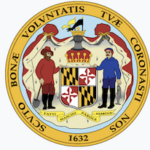 Maryland Rulemaking: Maryland’s state election board unanimously approved a set of public guidelines this week laying out how thousands of mail-in ballots will be tabulated for the primary election. The guidelines were needed to address the “canvassing issue” created when more than 437,000 mail-in ballots had to be replaced late last month. The rules made public Tuesday lay out instructions on how local election boards are to treat the original, potentially erroneous ballots and the replacements meant to correct the issue. If a voter mails one back instead of the replacement, it is quarantined. Should that same voter then send in the replacement ballot, the replacement ballot counts and the original, flagged ballot remains quarantined. If no other ballot comes in, the local boards will then examine the returned original ballot. If the voter sent in a ballot that does not align with their voter registration and district, it will not be counted. An original ballot that aligns with the voter’s registration and district would count if the replacement is not returned. The only exception — the third so-called bucket — is if that ballot includes nonpartisan races. In Maryland, that is limited to school board contests. In those cases, only the votes for the nonpartisan race would count. “If you vote the replacement ballot, the replacement ballot counts. If you vote in person and you voted the original ballot, you’ll vote a provisional ballot. Then that provisional ballot will count over your original ballot,” said Maryland Elections Administrator Jared DeMarinis after the meeting.
 Michigan: State Rep. Jennifer Wortz is celebrating the successful House vote on her plan to ensure that qualified individuals are selected to administer local elections. House Bill 5717, introduced by Wortz, would require a township board to contract with a nearby individual who is accredited to conduct elections if the township clerk and all deputy township clerks are unavailable to carry out election-related duties. Under current law, township boards could appoint any eligible voter from the township to perform those responsibilities. Worts says her legislation would allow local governments to seek out someone who has the qualifications to run an election if no one locally is available. Wortz says “all Michiganders deserve to have their local elections operate with competency and security. These election workers need to be qualified, and this bill helps put those guardrails in place”.
 Nebraska Ballot Measures: Nebraskans will not vote this November on any parts of a multi-pronged petition drive seeking to address property taxes and change key parts of state elections. Eric Underwood, the former chair of the Nebraska Republican Party and spokesperson for the Advocates For All Nebraskans campaign, confirmed to the Nebraska Examiner that the 200 volunteers across the group’s five petitions have been pulled back. Campaigns for statewide ballot measures must submit signatures to the Nebraska Secretary of State’s Office by July 2. One of the measures would have amended the Nebraska Constitution to require that all Nebraska elections utilize paper ballots and that ballots be hand-counted to tally results. The second elections-related ballot measure would have amend the Nebraska Constitution to mandate that a presidential candidate who wins Nebraska’s popular vote wins all five of Nebraska’s Electoral College votes. Voter-led changes to state law require verified signatures from at least 7% of registered voters (nearly 90,000) to appear on the November general election ballot. Constitutional changes need valid signatures from at least 10% of voters (nearly 126,000) to qualify.
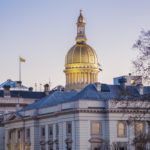 New Jersey: Legislation sponsored by Senate President Nick Scutari and Senator James Beach that would help ensure mail-in ballots are counted by educating voters about postal service postmark procedures and ballot return options was approved today by the Senate Budget and Appropriations Committee. The bill, S-3815, would require the Secretary of State to inform voters about federal postal service rules governing postmarks, including the possibility that a mail-in ballot could receive a postmark date later than the date it was provided to the Postal Service. The campaign would also educate voters on steps they can take to ensure their ballots are counted, including requesting a free manual postmark at a post office retail location or utilizing one of New Jersey’s secure ballot drop boxes. In addition to establishing the public awareness campaign, the bill would direct the Secretary of State, in collaboration with county election officials, to evaluate the placement and usage of ballot drop boxes throughout New Jersey and issue recommendations regarding potential improvements.
 Ohio: State Sen. Bill Blessing (R-Cincinnati) has introduced two bills that, if enacted, would mostly abandon Ohio’s century-old system of holding separate party primaries. Under both of Blessing’s bills, Senate Bill 382 and Senate Bill 395, candidates for a given office would compete in a single, open primary, with the top two or three finishers — depending on the bill — advancing to the general election, regardless of their party affiliation. Senate Bill 382 would create a “jungle” primary system similar to California’s, in which the two candidates with the most primary votes would advance to the November general election, regardless of their party affiliation (though candidates’ party affiliations would still appear next to their names on ballots). Under Senate Bill 395, meanwhile, the top three primary vote-getters would advance to the general election. Unlike SB382, SB395 would also change how general-election candidates are elected: instead of voters simply marking which of the three candidates they support, they would weigh in on which candidate they prefer in head-to-head matchups among the finalists — Candidate A vs. B, A vs. C, and B vs. C. Neither bill has any cosponsors so far, and even Blessing himself admits the odds of either bill passing this session are “probably none.” However, the proposals reflect a feeling on both sides of the aisle that Ohio politics has become so extreme and partisan that the state’s electoral process itself needs to be overhauled.
A bipartisan bill that started out as an avenue for homeless Ohioans to get free identifying documents like birth certificates and state ID cards has turned into something else. A changed version of House Bill 472 is being fast tracked for passage this week. The Senate passed the bill 23-10. Ohio Sen. Bill Blessing, R-Colerain Twp., joined Ohio Senate Democrats in voting against the bill. The House voted 60-34 to concur with changes made to the bill. Under the bill, absentee voters would be required to show their ID either when they request an absentee ballot or if they submit their ballot in-person. It requires the Ohio Secretary of State, the board of electrons, the Registrar of Motor Vehicles, and public libraries to provide free copies of electors’ photo IDs. It also requires the Secretary of State to create a secure online portal where a voter can apply for an absentee ballot starting Sept. 3, 2027. The Ohio Association of Elected Officials testified against the bill saying many senior citizens and those with chronic health conditions or mobility limitations rely on mail-in voting. “For these voters, the requirement is not merely an inconvenience. It is a significant obstacle to voting,” said Franklin County Board of Elections Director Antone White. Secretary of State Frank LaRose also worried the bill and its changes are being rushed. “I have a general concern that when something like this is done this quickly there can be unintended consequences,” LaRose said. And LaRose said part of the bill that would allow electronic voter interaction would require money from the state to make that a reality.
 Pennsylvania: A long-time request of county election officials moved one step closer to being answered as the State House advanced a bill allowing counties to pre-canvass mail-in ballots. The legislation would permit counties to inspect and open all envelopes containing official absentee ballots or mail-in ballots, the removal of the ballots from the envelopes, and the counting, computing, and tallying of the votes reflected on the ballots. It does not include the recording or publishing of the votes reflected on the ballots. Under current law, pre-canvassing of mail-in and absentee ballots cannot begin until 7 a.m. on Election Day. Sponsored by Rep. Scott Conklin (R-Centre), House Bill 37 gives county election officials seven days prior to Election Day to pre-canvass all mail and absentee ballots received. The vote advanced by a 103-99 vote with Rep. Thomas Mehaffie (R-Dauphin) joining all 102 Democrats in the affirmative. The bill now heads to the Republican-controlled state Senate. The County Commissioners Association of Pennsylvania also supported the bill. A similar bill was passed by the House two years ago by a 102-99 and the legislation stalled in the Senate State Government Committee.
 Rhode Island: According to the Rhode Island Current, with the General Assembly closing out its 2026 session this week, the Rhode Island Voting Rights Act is going nowhere. On June 8, Senate President Valarie Lawson, House Speaker Christopher Blazejewski and Rhode Island Secretary of State Gregg Amore issued a joint statement that the bills would not be voted on before the end of the 2026 session, which is expected to wrap up Thursday. “From the beginning, we have all understood the importance of passing a strong Rhode Island Voting Rights Act,” they said. “But we also understand that as the federal administration continues to work to make it more difficult to access the ballot box, we have to do it right.” If enacted, the Rhode Island Voting Rights Act would explicitly prohibit voting discrimination based on religion, sex, sexual orientation, gender identity or expression, disability, age, ancestry, or marital status. It would also bar voter suppression practices and require language assistance for voters with limited English proficiency.
Legal Updates
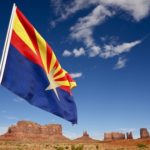 Arizona: The Arizona Supreme Court won’t review lower court rulings that crippled Attorney General Kris Mayes’ fake electors case, leaving the prosecution of 18 people who attempted to overturn the state’s 2020 election results in limbo. The case is one of several that arose in the aftermath of the 2020 election when allies of President Donald Trump, who lost the election, tried to install him anyway. Those people, who became known as fake or false electors, attempted to cast electoral votes for Trump in multiple states he lost and submit those certificates of votes to Congress. According to Votebeat, in the wake of the Arizona Supreme Court’s ruling, Richie Taylor, a spokesperson for Mayes, said in a statement that her office would “return this case to the grand jury.” But the high court’s decision suggests that case is now likely to stretch into 2027 or 2028. Mayes faces reelection this year. Her GOP opponents — Arizona Senate President Warren Petersen and military attorney Rodney Glassman — have both pledged to drop the case if they take the attorney general’s office.
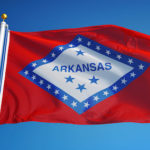 Arkansas: Pulaski County Circuit Judge Tim Fox dismissed a lawsuit challenging the results and recount procedures for the Republican runoff for secretary of state. Fox ruled that Bryan Norris failed to prove any of his allegations that the Saline County Election Commission didn’t follow procedures in the primary runoff and recount. Norris was narrowly defeated by state Sen. Kim Hammer in the March runoff election. “The court finds that plaintiff’s challenge to the recount procedure and vote tally is specious, ill-founded, and wholly without merit,” Fox wrote. Norris lost by less than 1,000 votes to Hammer in the runoff election. Saline was one of six counties where Norris had requested a recount. The results in all six counties matched the election results. “This ruling confirms what we have said from the very beginning,” Saline County Clerk Doug Curtis said in a news release. “Our election officials followed the law, our poll workers did their jobs, and the results were accurate. The recount confirmed it. The evidence presented at trial confirmed it. And now the court has confirmed it.” The lawsuit filed against Saline County claimed that ballot boxes weren’t secured with the legally required seals, that election workers who handled and recounted ballots did not take a required oath and that Norris’ representative wasn’t given a priority location to view the recount.
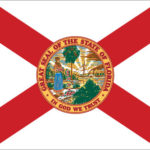 Florida: With qualification week just days away, groups challenging Florida’s congressional map are making one last request to halt the process. The Equal Ground Education Fund and other plaintiffs petitioned the Florida Supreme Court to reverse a Leon County judge’s decision denying a request for an injunction. The First District Court of Appeals declined to reverse Circuit Judge Joshua Hawkes’ decision, and the state’s high court is the last set of jurists with the power to demand an injunction on the map. With ongoing questions about whether Gov. Ron DeSantis’ office broke Florida’s ban on partisan gerrymandering, plaintiffs argue that a map signed only last month should not be used in the 2026 Midterms. They are asking for a quick decision since the candidate qualification starts at noon on Monday. “The public interest overwhelmingly favors enjoining the 2026 Plan and ordering upcoming elections to occur under the 2022 Plan,” reads a petition to the Florida Supreme Court.
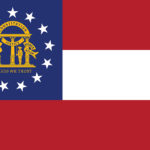 Georgia: A Republican state senator demanded in Fulton County Superior Court that the secretary of state’s office allow observers into its election night reporting center, testifying that failing to do so undermines trust in the electoral process. State Sen. Greg Dolezal, who is running for lieutenant governor, and two other Republicans have sued to compel Secretary of State Brad Raffensperger to admit credentialed poll watchers and State Election Board members into the center for all future elections. The secretary of state’s attorneys sought to dismiss the lawsuit. Although at least one current state board member had previously been invited to attend election night reporting, Raffensperger’s attorneys said that there is no legal right entitling board members and others to observe election night reporting. “No polling, no tabulation of votes, no voting occurs at the emergency operation center,” said Alexis Gregorian, an attorney representing Raffensperger. Raffensperger has denounced the lawsuit as “Dolezal’s desperate search for press attention and votes.”
 U.S. Virgin Islands: Chief Judge Robert Molloy has dismissed a sex-based pay discrimination civil lawsuit filed about a decade ago by former Senator Genevieve Whitaker against current and former election officials, finding the complaint failed to meet the legal threshold required to proceed, according to court documents. issued an order June 3 granting the defendants’ motion to dismiss the case with prejudice — meaning it cannot be refiled — for failure to state a claim upon which relief can be granted. The ruling means the court found that, even accepting the allegations as true, the lawsuit did not present a legally valid basis for relief under the applicable statutes. Whitaker, who represented herself in the case, first filed suit in 2016 and later submitted a second amended complaint on April 4, 2023. She worked as St. Croix deputy supervisor of elections from October 13, 2013, until her resignation on January 8, 2021, after being elected to the 34th Legislature. Whitaker alleged her starting salary of $72,000 was $8,000 less than that of her male predecessor, former Senator James Weber III. She said she later received a 3% across-the-board increase for Elections System of the Virgin Islands staff, raising her salary to $74,160 effective Jan. 31, 2019, through her resignation. n a motion to dismiss filed April 17, 2023, the defendants argued Whitaker’s position was exempt from civil service protections because she served in a non-career, policymaking role appointed by public officials and therefore was not covered under the Equal Pay Act or Title VII. They also argued the Virgin Islands Equal Pay Law does not provide a private right of action for the type of pay claims raised. In his opinion, Molloy found Whitaker’s position as deputy supervisor of elections fell within an exempt, policymaking classification not covered by the civil service protections underlying her claims, and therefore not subject to the statutes she cited.
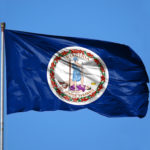 Virginia: A federal judge has approved a consent decree requiring Virginia election officials to accept certain voter registration applications submitted by college students, resolving a lawsuit that alleged students were being improperly denied registration over missing dormitory-related details. The agreement, approved last week by the U.S. District Court for the Eastern District of Virginia, bars election officials from rejecting otherwise eligible student voter registration applications solely because they omit information such as dorm room numbers, dorm names or campus mailbox numbers when those details are not necessary to determine voting precincts. Under the consent decree, Virginia election officials must provide guidance and training to local registrars on how to handle student voter registration applications and amend the state voter registration form to clarify what address information is required for people living in dormitories and other group housing. The agreement also requires state officials to begin rulemaking efforts to formally incorporate the new standards in the Virginia Administrative Code.
Opinions This Week
National Opinions: Voting rights, II | Voter fraud claims | Stop the steal | U.S. Supreme Court | Election fraud claims
Alabama: U.S. Supreme Court
Arizona: Maricopa County | Election workers
California: Election fraud claims, II, III | Ballot counting, II, III, IV, V
Connecticut: Ballot counting
Georgia: Department of Justice | Voting rights
Indiana: Secretary of state
Maryland: Ballot canvassing
Nevada: Voter fraud
New Jersey: Voting rights | Primaries
North Carolina: Voting Rights Act
North Dakota: Election fraud claims
Ohio: Election security
Pennsylvania: Voter registration
Rhode Island: Voting rights legislation
U.S. Virgin Islands: Voter access
Utah: Voter roll audit | Vote by mail
Wisconsin: 2020 Election
Upcoming Events
NMC Annual Conference: New Mexico Association of Counties- Clerks Affiliate will hold its annual conference from June 15-18 in McKinley County.
AAMCA Summer Conference: The Alabama Association of Municipal Clerks and Administrators will hold its summer conference from June 24-26 in Fairhope.
CERA Courses (Milwaukee): The Certified Elections Registration Administrator (CERA) certification is the original professional certification for election administrators in the United States. The following courses will be offered in Milwaukee in July: Course 5 – Ethics in Election Administration and Voter Registration; Course 6 – Communications and Public Relations in Election Administration and Voter Registration; Course 7 – Enhancing Voter Registration and Participation in Election Administration and Voter Registration; Course 8 – Implementation of New Programs in Election Administration and Voter Registration; and Course 9 – History in Elections Part 3: 1960 to Modern Era. When: July 11-18. Where: Milwaukee, Wisconsin.
2026 NACo Annual Conference & Exposition: The National Association of Counties will hold its 2026 Annual Conference & Exposition on Orleans Parish, Louisiana from July 17-20. When: July 17-20. Where: New Orleans.
NASED 2026 Summer Conference: The National Association of Directors of Elections will hold its summer conference from July 20-22 in Boston. When: July 20-22. Where: Boston.
iGO 9th Annual Conference: The International Association of Government Officials will hold its 9th Annual Conference from July 25-28 in Reston, Virginia. When: July 25-28. Where: Reston, Virginia.
2026 NCSL Legislative Summit: The 2026 NCSL Legislative Summit takes place in Chicago July 27-29, bringing together state legislators and legislative staff from all 50 states and U.S. territories for three days of collaboration, innovation and bipartisan dialogue. When: July 27-29. Where: Chicago.
SCARE 2026 Annual Conference: The South Carolina Association of Registration and Election Officials (SCARE) will hold its annual conference from July 27-30 in Isle of Palms.
Oregon Association of County Clerks: The Oregon Association of County Clerks will hold its annual conference from August 10-13 in Burns.
WMCA 46th Annual Conference 2026: The Wisconsin Municipal Clerks Association will hold its annual conference from August 18-21 in Green Bay.
Election Center 41st Annual Conference: The National Association of Election Officials (Election Center) will hold its 41st Annual Conference in Kansas City, Missouri from August 19 to 21. CERA classes will be offered August 22 and 23. When: August 19 to 21. Where: Kansas City, Missouri.
UAC Annual Convention: The Utah Association of Counties will hold its annual convention from September 8-10.
2026 WACO Conference: The Wyoming Association of County Officers-County Clerks will hold its annual conference from September 22-24 in Laramie.
2026 MACO Annual Conference: The Montana Association of Counties will hold its annual conference from September 27-30 in Helena.
Job Postings This Week
electionlineWeekly publishes election administration job postings each week as a free service to our readers. To have your job listed in the newsletter, please send a copy of the job description, including a web link to mmoretti@electionline.org. Job postings must be received by 5pm on Wednesday in order to appear in the Thursday newsletter. Listings will run for three weeks or till the deadline listed in the posting.
Account Executive, VotingWorks– We are looking for a trusted sales leader who understands that election administrators don’t buy voting machines, they buy trust, both in the equipment and in the vendor. All 83 of Michigan’s counties will soon open at once, and we are in the running for the state RFP enabling us to sell our voting machines. Incumbents will have to re-earn their contracts, and we’ll be competing on equal footing for the first time. This opportunity is time bound. Trust matters deeply in this market. Your job is to build relationships and earn credibility quickly with state and local election officials. You will own the full Michigan territory. You’re responsible for the entire sales process: building pipeline, running demos, navigating procurement, and closing deals. We want sustainable sales contracts that are technically sound, politically supported, and set up for a clean handoff to Customer Success. For your first demos, you’ll be paired with our Executive Director and our Head of Customer Success to learn the messaging and the product. Once you take on demos on your own, you should still know when to bring in executive support and when to handle things yourself. This is a competitive market with a real window of opportunity. If you want to sell something that actually matters to Democracy, and you’re energized by moving fast when the timing is right, we’d like to meet you. Application: For the complete job listing and to apply, click here.
Administrative Specialist (Elections Specialist–Russian), King County, Washington– This is an amazing opportunity to be engaged in the election process! The Department of Elections is searching for energetic and resourceful professionals who like to “get stuff done”. The Administrative Specialist II positions in the Voter Services Department combines an exciting, fast-paced environment with the opportunity to cultivate talents and apply a variety of skills. The ideal candidate will have a desire to help ensure the democratic process through public service. They will thrive in an innovative environment and will not hesitate to roll up both sleeves, work hard, have fun, and get the job done. King County Elections (KCE) manages voter registrations and elections for more than 1.4 million voters in King County, one of the largest vote-by-mail counties in the United States. KCE’s mission is to conduct accessible, secure, and accurate elections. As a leader in providing inclusive elections, KCE is focused on core values of accuracy, equity, integrity, service, teamwork, and transparency. The team at KCE is committed to ensuring all King County voters can get registered, cast their ballot, and make their voices heard. Salary: $29.46 – $37.47 Hourly. Application: For the complete job listing and to apply, click here.
Assistant Director, Peoria County, Illinois–The Assistant Executive Director is responsible for assisting the Executive Director in all aspects of the administration of the Election Commission. Duties include the application of all statutory requirements in maintaining the permanent registry of voters and in planning, organizing and conducting of local, state, and federal elections in the County of Peoria. A Bachelor’s degree in Political Science, Public Policy, Public Administration, or related field required. Master’s degree preferred. A minimum of two years office experience with election experience preferred and/or combination of education and experience. Must possess a strong technical aptitude. Knowledge of Microsoft Windows based software including Microsoft Word, Excel and Access required. Must be detail oriented and able to work under the pressure of deadlines. Must remain nonpartisan when acting in a professional capacity. Must have strong public relations skills including good oral and written communication skills and be comfortable with public speaking and interactions with the media. Ability to maintain confidentiality. Must have valid Illinois driver’s license. Salary: $60,000-$80,000. Deadline: July 1. Application: For the complete job listing and to apply, click here.
Chief, Departmental Operations– Registrar of Voters, San Diego County– The Chief, Departmental Operations-Registrar of Voters, is an unclassified management position reporting directly to the Registrar of Voters (Director). The Chief oversees major operational functions of the Department’s Election Services Division and is responsible for directing, coordinating, and evaluating all operational functions that support the successful administration of countywide elections. This role also leads the planning and execution of vote center, warehouse, and field operations, oversees large-scale poll worker programs, and ensures all logistical, financial, and compliance requirements are met with the highest standards of integrity and efficiency. Salary: $125,000 – $145,000. Deadline: June 22. Application: For the complete job listing and to apply, click here.
Commissioner of Elections Department, Boston–Under general policy direction from and at the will of the Mayor, the Commissioner of the Elections is responsible for municipal, state, and federal elections within the City of Boston. This position also oversees the annual census of residents aged 17 and older. The Commissioner of the Elections serves as chair of the Board of Election Commissioners, which ensures compliance with election laws and the equitable delivery of services. As a public and senior official responsible for a key government function, the Commissioner will embody character and impartiality as an election administrator. The Commissioner is responsible for managing, directing, and integrating the functions, programs, and activities of the Elections Commission. The Commissioner communicates effectively to senior City management, community partners, regulatory authorities, and other department stakeholders to ensure City elections are accessible, fair, and administered effectively in accordance with all applicable laws. The Elections Commissioner is responsible for managing the 30+ full-time employees of the Election Department, part-time seasonal employees, and approximately 2,000 part-time poll workers. The Commissioner will work with staff to document policies, practices, and procedures. The Commissioner will practice continuous improvement related to the complex operations of the Department. Salary: $145,000. Deadline: June 30. Application: For the complete job listing and to apply, click here.
Chief, Departmental Operations– Registrar of Voters, San Diego County– The Chief, Departmental Operations-Registrar of Voters, is an unclassified management position reporting directly to the Registrar of Voters (Director). The Chief oversees major operational functions of the Department’s Election Services Division and is responsible for directing, coordinating, and evaluating all operational functions that support the successful administration of countywide elections. This role also leads the planning and execution of vote center, warehouse, and field operations, oversees large-scale poll worker programs, and ensures all logistical, financial, and compliance requirements are met with the highest standards of integrity and efficiency. Salary: $125,000 – $145,000. Deadline: June 22. Application: For the complete job listing and to apply, click here.
Customer Success Manager, VotingWorks: VotingWorks currently supports risk-limiting and post-election audits in 12 states with our software, Arlo. Support varies greatly from state to state and is a combination of general risk-limiting audit education, software training, and support of both during the conduct of audits. Risk-limiting audits vary by state and are constantly evolving, requiring updates to the software. The Arlo/RLA Customer Success Manager is responsible for the strategic oversight and successful delivery of services for Arlo, our post-election audit product. This role will optimize and maintain the systems, tools, and processes for managing auditing projects and support. They act as the primary liaison for Product and Engineering alignment for customer success. Application: For the complete job listing and to apply, click here.
Deputy Elections Administrator, Tarrant County, Texas – The Deputy Elections Administrator is responsible for assisting with and overseeing the daily operations of the Elections Administration Department, including coordination of Voter Registrar duties and all election management activities for Tarrant County. This position provides executive-level operational and tactical leadership and exercises full authority in the absence of the Elections Administrator. Responsibilities include managing personnel, directing election logistics, ensuring legal compliance, overseeing technology and equipment deployment, coordinating poll worker operations, and maintaining the integrity and security of all election processes. Application: For the complete job listing and to apply, click here.
Director of Product Certification, Clear Ballot–Our certification department is seeking an organized, process-oriented program manager to join the team as Director of Product Certification. In this leadership role, you will oversee certification strategy, execution, and compliance across multiple jurisdictions. You will act as the primary liaison with regulatory bodies while managing internal teams and ensuring all certification efforts are completed efficiently and successfully. Application: For the complete job listing and to apply, click here.
Election Assistant, Olmsted County, Minnesota–Under supervision, assists with Olmsted County’s election process. Provides customer service to voters in person and via mail. Answers phone calls, directs the public to polling places, monitors supplies, and answers questions. Supports a diverse, respectful, and inclusive workplace. Examples of Work: Assists voters with the absentee voting process; Performs clerical duties including customer service, filing, answering phone calls and data entry to support the election process; Assists on Election Day by answering questions, monitoring supplies, and directing traffic; Processes absentee records on a statewide system; Prepares equipment and supplies for Election Day; Assists with election judge training; and Performs other related job duties as assigned. Salary: $21.30 – $35.59 Hourly. Application: For the complete job listing and to apply, click here.
Election Operation Manager, Milwaukee Election Commission– The mission of the City of Milwaukee Election Commission (MEC) is to ensure that all elections are secure, fair, transparent, and accessible, instilling voter confidence in the democratic process. The core organizational values include accuracy, adaptability, and a strong commitment to customer service, with a focus on dignity and respect. Staff members recognize the diverse community they serve and are approachable, resourceful, and helpful at all times. Election administration is a team effort with an all-hands-on-deck approach. Both management and non-management collaborate to get the job done. While the hours can be long during the weeks leading up to an election, they are predictable; during off-election cycles, staff can request a hybrid work-from-home schedule. The Election Operations Manager plans, directs and oversees all election field operations and serves as a personnel manager for two full-time staff and up to 50 seasonal election staff. MEC is seeking a candidate who thrives in a team environment, demonstrates strong emotional intelligence, communicates clearly and professionally and remains calm under pressure. Salary: $74,375 – $95,390. Deadline: June 26. Application: For the complete job listing and to apply, click here.
Election Specialist, Wayne County, Ohio– Applications are being accepted for the full-time position of Election Specialist with the Wayne County Board of Elections. The primary responsibilities of this position are maintaining voter records, assisting the public, election preparation, and logistics. Specifically, we are looking for a passionate and reliable person to be a part of our team. A strong work ethic and a great attitude are critical to this position, but other prerequisites exist as well. Deadline: June 18. Application: For the complete job listing and to apply, click here.
Elections Administrator, Lubbock County, Texas– Appointed by the Lubbock County Election Commission and reporting to the County Judge, the Elections Administrator is responsible for leading and managing all operations of the Lubbock County Elections Department. This includes oversight of budget, personnel, election systems, and departmental resources, as well as ensuring efficient and secure election processes. The role ensures full compliance with all applicable state and federal election laws, regulations, policies, and procedures, while fostering transparency, integrity, and public trust in the electoral process. Salary: $95,000 – $115,000. Deadline: June 22. Application: For the complete job listing and to apply, click here.
Elections Specialist, Palm Beach County, Florida– The Vote-by-Mail Specialist position involves, but is not limited to, the daily processing of applications and other VBM related paperwork and customer service. Election period duties would include signature verification, supervised voting, ballot processing, signature cure applications, and monitoring secure ballot intake stations (SBIS). Responsibilities include: Data entry of vote by mail requests received via phone, email, and website; Customer service with voters in office for VBM related issues; and Coordination of election specific programs such as Supervised Voting and SBIS boxes. Application: For the complete job listing and to apply, click here.
Field Services Engineer, Clear Ballot–Join our Professional Services team as a Field Service Engineer, where you will provide on-site technical support and services to clients across the country. In this role, you will help ensure that election technology operates reliably and securely, supporting the integrity of the voting process. This position requires frequent travel—up to 70%—especially during election cycles, to deliver hands-on support and expertise. Application: For a complete job listing and to apply, click here.
General Registrar, Hanover County, Virginia–Executive-level position serving as the County’s General Registrar/Director of Elections. Under the authority of the County Electoral Board and in accordance with Title 24.2, State Board of Elections guidance, and the General Registrar and Electoral Board (GREB) Handbook, administers voter registration and directs the conduct of all federal, state, and local elections in the locality. Appointed by the Electoral Board for a four-year term. Appointed by and reports to the Electoral Board; leads the Voter Registration Office and supervises permanent and temporary staff. Performs duties required by law and duties delegated by the Electoral Board under Va. Code § 24.2-114.18. Works with the Electoral Board, Department of Elections/State Board, election officers, and county departments (e.g., finance, IT, facilities, HR, public safety) to deliver lawful, accessible, and secure elections. Salary: $91,791 – $156,044. Application: For the complete job listing and to apply, click here.
GIS Specialist, Palm Beach County, Florida– Help power accurate, well-run elections through smart mapping and rock-solid data. As a GIS Specialist II with the Palm Beach County Supervisor of Elections, you’ll own core geospatial datasets, turn complex information into clear maps and insights, and improve the workflows teams rely on to plan and execute election operations. Your work helps ensure precinct, polling place, and district data is accurate and easy to use—supporting operational readiness, transparency, and timely decision-making. You’ll maintain and enhance GIS databases, produce print and web-ready map products, perform quality control and spatial analysis, and keep GIS synchronized with the Voter Registration System. You’ll collaborate with both technical and non-technical teams, document standards and changes, and provide training and troubleshooting support. Salary: $72,800 to $87,000. Application: For the complete job listing and to apply, click here.
Poll Worker Assistant Department Manager, Palm Beach County, Florida– The primary responsibility of the Poll Worker Department Manager is to oversee the planning and the completion of various projects, administrative functions, operations, and specialized tasks in the Poll Worker Department. The work involves knowledge and application of departmental operations, planning, assigning responsibilities, monitoring election worker classes, maintaining records, evaluating performance, and the ability to review work for accuracy. This position requires initiative and sound independent judgement in the application of office policies, election laws, and procedures. Application: For the complete job listing and to apply, click here.
Program Manager, California Voter Foundation– CVF seeks an experienced and accomplished program manager who is passionate about voting rights and advocacy, election reform, support for election officials, and is able to work in a nonpartisan manner. This position will be instrumental in supporting the day-to-day operations of CVF, assisting with communications, and supporting important programmatic initiatives. Candidates must be eager to work in a fast-paced, collaborative environment and be able to balance and prioritize competing demands. This is a remote, part-time position, with the potential to transition to a full-time position, who reports to the president of CVF. Responsibilities: Manage and coordinate projects and research related to election funding, the vote-by-mail process and improving California ballot processing; Assist with communications and management of a nationwide network of election administration leaders and stakeholders; Assist with grant writing, funder reports, and identifying funding opportunities; Write news releases, web page copy, meeting agendas, and compile meeting notes; Respond to emails in a timely and professional manner; Help manage and expand CVF social media accounts: (LinkedIn, Instagram, Facebook); Assist with meeting scheduling and event planning; Attend webinars and monitor election news and events; Assist with legislative and budget work advancing CVF’s program goals; and Support other CVF projects and administration as needed. Application: For the complete job listing and to apply, click here.
Registrar of Voters, Kern County, California–The County of Kern, California, is seeking an experienced and transparent Registrar of Voters to oversee all federal, state, and local elections and ensure the integrity, accessibility, and efficiency of the electoral process. This role leads the County’s newly established Elections Department, which was recently separated from the Auditor-Controller-County Clerk’s Office, and plays a critical part in upholding public trust through accurate, secure, and compliant election administration. As a key partner to the Board of Supervisors and the community, the Registrar of Voters guides a high-profile and essential public function, balancing operational excellence with clear, responsive communication in a dynamic and visible environment. The ideal candidate brings a strong technical foundation in election administration and public sector operations, along with exceptional communication, judgment, and relationship-building and public-facing leadership skills to effectively engage diverse stakeholders, navigate complex legal requirements, and foster transparency and confidence in the democratic process. Deliver transparent, secure, and trusted elections, apply today! Salary: $159,839 – $191,031. Deadline: July 2. Application: For the complete job listing and to apply, click here.
Sales Engineer I, Hart InterCivic–The Sales Engineer I is responsible for assisting the Sales Team in generating sales of Hart’s products and services, focusing on expanding existing accounts and developing new accounts, while partnered with other Sales or Hart team members. The Sales Engineer I will have an assigned territory(ies) and/or sales team member(s) and an assigned team quota. Application: For the complete job listing and to apply, click here.
Senior Program Officer, Election Trust Initiative –The senior program officer is part of a small project team that works to advance evidence-based and nonpartisan solutions that improve the accessibility, integrity, and trustworthiness of the U.S. election administration system. This position will work with the team and our partners to develop and oversee strategies to strengthen the field of election administration, identify and vet grantees, provide business planning and capacity building support to key organizations in the field, develop metrics to assess and monitor the portfolio’s progress in attaining its objectives, and coordinate strategies with allied philanthropic partners also investing in the elections sector. This work will involve building relationships with elections officials, researchers, policymakers, non-profit organizations, donors, and other key stakeholders. The position is based in Washington, D.C. and will participate in core office days on Tuesdays, Wednesdays, and Thursdays and will have flexibility to work from home for the remainder of each week. Remote candidates may be considered on a case-by-case basis. The position will report to the executive director of the Election Trust Initiative. Application: For the complete job listing and to apply, click here.
Voter Registration Supervisor, GeaugaCounty, Ohio– Under general supervision of the Director/Deputy Director the Voter Registration Supervisor performs a variety of duties in order to successfully prepare for all elections. Other duties: Assist in all necessary daily activities of the election process, including but not limited to absentee voting, campaign finance, ballot proofing, ballot language, posting the mail and the care for the overall appearance and maintenance of the office. Adhere to all office procedures adopted by the Geauga County Board of Elections. Deadline: June 16. Application: Please email resume to tplants@geauga.oh.gov
Marketplace
electionline provides no guarantees as to the quality of the items and the accuracy of the information provided about the items in the Marketplace. Ads are provided directly by sellers and are not verified by electionline. If you have an ad for Marketplace, please email it to: mmoretti@electionline.org