In Focus This Week
Countdown to November 3
Secretary of state races
By M. Mindy Moretti
electionline.org
The top election official spot is on the ballot in 23 states this year and while secretary of state has always been a top executive job, it’s only more recently that the contests – in some states anyway – have gotten top executive attention from the media and voters.
This year is no exception.
In addition to the 23 states with the top election official on the ballot, there are another 12 states and D.C., where voters are selecting the officials who will then appoint their state elections chiefs. Those states are: Alaska, District of Columbia, Florida, Illinois, Maine, Maryland, New Hampshire, New York, Oklahoma, Pennsylvania, South Carolina, Texas, and Wisconsin.
Ballotpedia has identified the secretary of state elections in Arizona, Indiana, Michigan, and Nevada as battlegrounds. Additionally, there have been a small handful of the races featuring debates between the candidates including in Arizona, Colorado, Indiana, and Michigan.
Here is a brief look at who is running in 2026:
Alabama: The seat in Alabama is open. Democrat Wayne Rogers will face Republican Caroleene Dobson. Rogers is an attorney with a background in law enforcement. Dobson is an attorney with a background in forestry and livestock.
Arizona: Incumbent Adrian Fontes (D),will face Republican Alexander Kolodin, and Green Party candidate Duwayne Collier. Fontes is running for a second term after serving as the Maricopa County recorder. He’s an attorney and former prosecutor. Kolodin is an election lawyer, small business owner, and state representative for Legislative District 3. The candidates debated in late September.
Arkansas: The Arkansas seat is open. Democrat Kelly Grappe faces Republican Kim Hammer and Libertarian Michael Pakko. Grappe has a background in business and most recently worked in learning and development for a large dental organization. Hammer has been a state senator since 2018 following 8 years as a member of the House. Pakko is currently the Chief Economist and State Economic Forecaster at the Arkansas Economic Development Institute at the University of Arkansas at Little Rock.
California: Incumbent Shirley Weber faces Republican Donald P. Wagner. Weber was appointed to the role of secretary of state in late 2020, and was re-elected in 2022. Prior to that she was a member of the California Assembly. Wagner is an attorney who served on the California Assembly, was the mayor of Irvine and served on the Orange County Board of Supervisors.
Colorado: It’s a five-way race for the open seat in Colorado featuring Democrat Amanda Gonzalez, Republican James Wiley, Amanda Campell with the American Constitution Party, Celeste Landry with the Colorado Forward Party and Libertarian Sean Vadney. Gonzalez is currently the Jefferson County clerk, Wiley has a background in election integrity, Landry has a background in teaching and operations research. Gonzalez and Wiley debated earlier this month.
Connecticut: Incumbent Stephanie Thomas (D / Working Families Party / Independent Party of Connecticut) faces Republican Peter Lumaj. Thomas was first elected as secretary of state in 2022. She has a background in business and the nonprofit sector and served in the Connecticut House. Lumaj is an attorney with a background in business.
Georgia: The seat in Georgia is open and Democrat Penny Brown Reynolds is facing Republican Tim Fleming. Brown Reynolds is an attorney and judge with a background in state-level politics. She also served as the Acting Assistant Secretary and Deputy Assistant Secretary for Civil Rights and Chief EEO Officer at the U.S. Department of Agriculture in the Biden Administration. Fleming is an attorney, served as deputy secretary of state under Brian Kemp and currently serves in the Georgia House.
Idaho: Incumbent Phil McGrane (R) faces Democrat Shawn Keenan. McGrane was first elected secretary of state in 2014. Prior to that he served as the Ada County clerk, beginning his career as a specialist in the clerk’s office in 2005. Keenan is a mortgage banker.
Indiana: The seat in Indiana is open and there are five candidates seeing the seat. Democrat Beau Bayh, Republican Max Engling, Libertarian Lauri Shillings, Greg Ballard of the Lincoln Party and write-in candidate Andrew Delano of the National Socialist American Workers’ Party. Bayh is a Marine Corps veteran, attorney and served as a clerk for the U.S. Court of Appeals for the Seventh Circuit. Engling has a Master’s from the U.S. War College, worked for the House Administration Committee and was a senior staff member on Capitol Hill. Shillings is the creative director at the University of Indianapolis and a small business owner. Ballard had a career in the U.S. Marine Corps and was the mayor of Indianapolis for eight years. The candidates debated earlier this month.
Iowa: Incumbent Paul Pate (R) faces Democrat Ryan Peterman. Pate was first elected as secretary of state in 2014 and prior to that he served in the Iowa Senate, was the mayor of Cedar Rapids, and president of the lowa League of Cities. Peterman is a graduate of the U.S. Naval Academy and after completing his service in the Navy was a Defense Fellow in the U.S. Senate.
Kansas: There are three candidates– Democrat Jennifer Day, Republican Pat Proctor and Scott Morgan of the United Kansas Party vying for the open seat. Day is a state representative and businesswoman. Proctor is a military veteran, has a background in business and serves in the Kansas House. Morgan is an attorney and has a background in state and federal politics.
Massachusetts: Incumbent William Galvin (D) faces Republican Anne Brensley. Galvin was first elected to the role of secretary of state in 1994 and is the longest serving secretary in the U.S. Brensley is an attorney and has a background in business.
Michigan: There are five candidates vying for the open seat in Michigan: Democrat Garlin Gilchrist, Republican Anthony Forlini, Green Party candidate Eric Borregard, Libertarian Christine Sloan and Scott Aughney of the U.S. Taxpayer Party. Gilchrist is currently the lieutenant governor and has a background as a software engineer. Forlini is currently the Macomb County clerk and prior to that served in the Michigan House. The candidates debated earlier this month.
Minnesota: Incumbent Steve Simon (D) faces three challengers – Republican Tad Jude, Green Party candidate Seth Kuhl-Stennes and Libertarian Chip Tangen. Simon was elected secretary of state in 2014 and prior to that served in the Minnesota House. Jude has served in both the Minnesota House and Senate, on the Hennepin County board of commissioners and as a district court judge. Tangen is an attorney and has a background in politics.
Nebraska: There are four candidates vying for the open seat in Nebraska: Democrat Sarah Slattery, Republican Scott Petersen, American First Party Nebraska candidate Bob Krist and Paul Rumbaugh from the Nebraska Working People Party. Slattery has a background in agri-tourism, Petersen has a background in business, Krist is retired Air Force veteran and has a background in politics, and Rumbaugh has a background in business.
Nevada: Incumbent Cisco Aguilar (D) faces Republican Jim Marchant, Libertarian John Kennedy and Brad Barnhill from the Independent American Party. Aguilar was first elected in 2022 and prior to that served twelve years as General Counsel for Agassi Graf, the management company for Andre Agassi and Stefanie Graf, and the Andre Agassi Foundation for Education. Marchant has a background in technology and served in both the Florida and Nevada legislatures. Barnhill has a background as a paralegal and systems analyst.
New Mexico: Democrat Amanda Lopez Askin faces Republican Ramona Goolsby for the open seat. Lopez Askin is currently the Dona Aña County clerk and Goolsby has a health services background.
North Dakota: Incumbent Michael Howe (R) faces Democrat Ryan Braunberger. Howe was first elected to secretary of state in 2022 and prior to that he served as a state representative and is a 5th generation farmer. Braunberger has a degree in social work and is currently a state senator.
Ohio: Three candidates are vying for the open seat in Ohio: Democrat Allison Russo, Republican Robert Sprague and Libertarian Tom Pruss. Russo is the former Minority Leader of, the Ohio House of Representatives, Sprague has served in local government, the Ohio House and is currently the state treasurer, and Pruss has a background in the printing industry.
Rhode Island: Incumbent Greg Amore (D) is running unopposed.
South Dakota: Three candidates will compete for the open seat in South Dakota: Democrat Terrence Davis, Republican Heather Baxter and Libertarian Tamara Lesnar. Davis has a background in law enforcement, Baxter is a state representative and Lesnar has a background in trade.
Vermont: Incumbent Sarah Copeland Hanzas (D) faces challengers H. Brooke Paige (R) and Rachel Shaw of the Vermont Progressive Party. Copeland Hanzas was first elected to secretary of state in 2022 and prior to that she was a state representative and teacher. Paige has a background in business and has run for office numerous times. Shaw is a working mom of two.
Wyoming: Three candidates are running for the open seat in Wyoming: Democrat Bryan McCarty, Republican Robert Short and Tamara Trujillo with the Constitution Party. McCarty has a background in business, Short is an entrepreneur, local businessman, and three-term Converse County Commissioner, and Trujillo has served as a state representative.
LEO Survey
Just What Local Election Officials Need: Another Survey
PS: Please Complete It Anyway
By Wendy Underhill
Election & Voting Information Center
This week 3000 election officials will find a survey in their inboxes. Two weeks before Election Day? Not ideal timing, acknowledge the surveymeisters, Paul Manson and Paul Gronke of the Election & Voting Information Center (EVIC).
 Manson and Gronke know that election officials have other things on their minds in nid-October. Their hope: the survey can be a brief (and possibly welcome?) distraction from the maelstrom of election operations.
Not only is the survey brief; it produces results that are meaningful for election officials and carry weight with policymakers.
The survey is brief.
The survey takes just 15 to 30 minutes to complete, and respondents do not have to dig for any answers; they can respond with what’s already in their heads. It does not need to be completed in one setting and can be set aside until mid-November if necessary.
The real problem is that the survey has to get to the right person. In many jurisdictions, the invitation to participate goes to a generic inbox, such as “vote@anycounty.gov.” If that’s the case, the person who watches that inbox must forward the survey to the appropriate person. They will know it’s legit because the invitation comes from leosurvey@pdx.edu.
The study is meaningful for election officials.
Election administration is front page news. And yet too often, those stories include political voices, and don’t include the voice of real experts–those who run elections.
“Local election officials tell me regularly that their voices are not heard at the legislative level,” says study co-author Paul Gronke. “They can be candid on the survey in a way they can’t always be in other settings.”
In the survey, election professionals collectively answer questions such as: What is it like to be America’s election officials, aka Stewards of Democracy? What threats and harassment are associated with your work? What is the pipeline for professionals to enter the field?
The first six iterations of the study, from 2016 to 2024, have been cited countless times, bringing forward the realities of life in the elections field. While major outlets cite the study routinely, election news sources always pick it up: Electionline Weekly, Votebeat, and High Turnout, Wide Margins, as well as providing background for many research reports and academic studies.
LEOs also benefit from seeing what their peers are up to. This year’s survey includes brief questions about voter engagement , salaries, the use of AI, workload, job satisfaction, and more. The survey is similar to the 2024 EVIC LEO Survey.
The study informs decision-making on policy and funding for elections.
State lawmakers and local governing boards decide on election policy and funding, and it can feel as though election officials are being talked about rather than being talked with. Turns out, past surveys have been used by election officials during legislative hearings or informal conversations. If, for instance, decisionmakers realize their election offices are underfunded compared to offices in other similar jurisdictions, they may be more open to budget requests.
Are you wondering why you didn’t get the survey? First, ask around: Has anyone received an email from leosurvey@pdx.edu? Cyber hygiene protocols may have trapped the email. Or maybe it just got buried.
If you still didn’t get it, just know that “to save on the overall burden on election officials, not every office is included,” says Manson.
If you have any doubts about whether an email is spam or a real invitation to the survey – or if you have questions about the content, confidentiality or purpose of the survey – Manson and Gronke want to hear directly from you. If you did not get the survey, Manson and Gronke are still interested in your thoughts–connecting with the public servants who actually run elections informs all the work they do.
electionline Daily News Email
 What’s the best part of waking up? electionline Daily News in your inbox of course so be sure to sign up for your daily dose.
Each morning you’ll receive the top headlines of the day, plus a listing of states featured in that day’s news round up.
To sign up, simply visit our site and provide us with your email and you’ll begin receiving the news in your inbox each morning.
We Google so you don’t have to!
electionline Merch
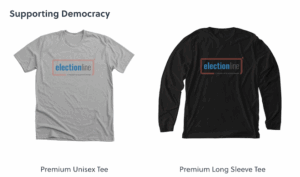 You’ve asked for it, well now you’ve got it! Just in time for all of your holiday gift-giving. We’ve opened up an electionline merch store using Bonfire. Currently we’re offering a couple of different t-shirts, a long-sleeve t-shirt and a hoodie.
Election News This Week
 Federal Update: NPR has a story on the changes to the Civil Rights Division of the U.S. Department of Justice since Harmeet Dhillon took over in 2025. According to the report, over the past 18 months, Dhillon has pushed out hundreds of longtime attorneys, replaced many of them with inexperienced ideological allies, and used the division’s enforcement powers to pursue President Trump’s agenda, according to four current and former division officials. Some of the most aggressive work of her tenure, the report notes, has been on the voting front, where the division has sent monitors to keep tabs on states’ primary elections, and filed lawsuits demanding voter information from a slew of states, in furtherance of Trump’s focus on alleged election fraud by noncitizens. State election officials — Republican and Democratic — have pushed back, accusing the Justice Department of overreach. Judges have tossed more than two dozen of the department’s lawsuits. Election officials in Colorado and Washington state have issued public warnings about inaccurate information from Elon Musk’s super PAC. According to CNN, texts from America PAC arrived last week, all with the same message to a group of Colorado voters: “Your ballot request is in,” they read. “Confirm now where and when to return it.” But every active registered voter in Colorado automatically receives a mail ballot, and the message from the PAC set off a flurry of calls and emails from confused residents to county offices. “People were like, ‘Wait a second. I didn’t submit that request. Is something fishy going on? Did someone submit something on my behalf?’” said Carly Koppes, a Republican who is the election chief in Weld County, north of Denver. According to analysis from The New York Times, President Trump has attacked the integrity of U.S. elections on more than 70 percent of the days since he returned to office, repeatedly making false claims.
 Election Security Update: This week, the state elections offices in Louisiana, Ohio and Oklahoma both received letters in the mail containing a suspicious white powder that forced the temporary evacuation of the offices. In Louisiana, Deputy Secretary Trey Williams confirmed that an elections division employee at the office opened a letter around 12:20 p.m. that contained a powdery substance. Law enforcement were called in to test the substance as the elections department was evacuated and air conditioning in the office on Archives Avenue was shut off to contain the powder. Williams said preliminary tests of the substance on site did not identify the powder as harmful, but a sample will undergo additional testing for confirmation. In Oklahoma, an envelope containing a “suspicious white powder” was delivered to the State Board of Elections office, prompting evacuations. State Election Board Secretary Paul Ziriax said in a statement on Oct. 13 that Oklahoma Highway Patrol (OHP) was immediately contacted to assess the situation. Ziriax expressed gratitude to the OHP troopers, Oklahoma City Fire Department, and the Oklahoma National Guard for their response to the situation. “We want to assure Oklahoma voters that today’s incident does not impact our ability to conduct elections. Election officials remain committed to ensuring safe and secure elections,” Ziriax said. He also said no staff was harmed in the incident. The incident is still under investigation. In Ohio, Secretary of State Frank LaRose said the FBI intercepted the letter at the U.S. Postal Service, who he says are dealing with “similar mailings sent to election officials in multiple states.” “We’re grateful for their swift action. The Federal Bureau of Investigation is handling the matter here in Ohio, and we have informed our county boards of elections to be vigilant in the days ahead,” LaRose said. The National Association of Secretaries of State and the National Association of State Election Directors issued a joint statement: “NASS and NASED are deeply concerned by these incidents. As we have each stated in the past, threats against election officials and workers have no place in our democracy. Those who administer our elections should never fear for their safety while carrying out their essential duties. Election officials take these matters seriously and work closely with law enforcement and security partners to protect their personnel and facilities. We have security measures and contingency plans in place to respond to potential threats and emergencies while maintaining essential election operations. Safe and secure elections are a shared responsibility. All Americans play a role in supporting the dedicated public servants who administer our elections and ensuring voters can participate safely and confidently.”
 Unity in Numbers Part 2: Last week we wrote about local elections officials banding together to speak up and out about election administration and we have some more this week. In Connecticut, the secretary of state’s office announced a new public information campaign featuring registrars of voters and town clerks to explain Connecticut’s three voting options and help residents understand who administers their elections. Secretary of State Stephanie Thomas secured a $1 million investment from the Connecticut General Assembly to fund the campaign, including production, English- and Spanish-language creative, and paid media placement. Public Act 26-68, Section 467, directed the funding transfer from the Citizens’ Election Fund. The nonpartisan campaign highlights the trained local officials and bipartisan administration behind elections in all 169 municipalities. They appear in familiar Connecticut settings to introduce Connecticut’s newly available universal absentee voting option alongside in-person early voting and Election Day voting. “When you see these ads, you’re seeing the people who actually do this work in our towns,” Thomas said. “They’re trained election officials who shop at your grocery store, go to your church, and sit next to you at your kids’ soccer game. It was an honor to celebrate their hard work and commitment to the voters of Connecticut.” Recently, a local Northern California television station held a roundtable with election officials from Nevada, Sacramento, San Joaquin and Yolo counties. Town clerks in Vermont teamed up to answer questions and address concerns about voting rights for the upcoming election. The discussion, promoted as Know Your Voting Rights – A Community Information Session, took place Sept. 30 in Memorial Hall, and was led by three town clerks: Rachel Colford of Whitingham, Andy McLean of Dover and Therese Loundsbury of Wilmington. In Utah, clerks spoke out through articles and YouTube videos as part of We Vote Utah, a partnership between KUER, PBS Utah and Utah News Dispatch to cover Utah’s 2026 elections. In Colorado, the Colorado County Clerks Association launched a new online resource to help Coloradans better understand how elections work and where to turn with questions about voting. The new website provides a centralized location for clear, accessible, and nonpartisan information about the history of elections in Colorado, how the state’s election system has evolved, and how elections are administered today. Visitors can explore the safeguards that protect election integrity and the important role county clerks play in administering elections statewide.
 Poll Workers Are U.S.: KNOWiNK and Liberty Vote recently joined forces to launch the Poll Workers are U.S. campaign. The idea is to encourage people to thank a poll worker for their service. They launched the campaign this year to celebrate America 250 and inspire people to support election workers by reminding them that elections are run at the local level. The hope is that this will become an ongoing campaign and continue to build engagement through 2028. The campaign includes a video, links to sign up to be a poll worker and social media campaign pieces such as hashtag #PollWorkersAreUS and two digital badges that can be social media posts and stories.
 Podcast News: High Turnout Wide Margins has another 3-episode arc out this week, the last three episodes before November 3. In S5E11, hosts Brianna Lennon and Eric Fey speak with Carly Koppes, the County Clerk & Recorder in Weld County, Colorado, and Lori Mitchell, the County Clerk & Recorder in Chaffee County, Colorado. Both have held many leadership positions within the Colorado County Clerks Association. They spoke about what the association has learned about responding to a crisis — in light of a Colorado clerk being convicted of numerous voting related felonies in 2024. They also addressed how that crisis brought Colorado’s clerks closer together, as well as how they are trying to pass down institutional knowledge to clerks who are just now entering the field. In S5E12 Lennon and Fey spoke with Tonya Wichman, the director of the Defiance County Board of Elections in Defiance, Ohio. She is also currently serving on the Election Center Board of Directors. They spoke about Wichman’s career in elections, how she found the energy and community to keep her motivated as the job became harder, and about some of the ways she has brought joy into her county’s election process. And finally for this arc of stories, in S5E13 Lennon and Fey spoke with Michael Siegrist. He’s the Canton Township Clerk in Wayne County, Michigan, as well as the current president of the Michigan Association of Municipal Clerks. They spoke about the state of elections administration in Michigan, about some of the work the association is doing to help better prepare its many clerks, and about why it’s important to just take a moment and take a deep breath as the November General Election approaches.
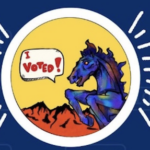 Sticker News: Colorado Secretary of State Jena Griswold named a Colorado Springs high school student as the winner of the statewide “I Voted” digital sticker design contest. Halle G., a senior at Pine Creek High School, won the competition with her “Blucifer” design, a rendering of the blue mustang sculpture outside Denver International Airport. Her submission was selected from 142 entries. “Congratulations to Halle for her outstanding design!” Griswold said. “I hope that voters are raring up and ready to cast their ballots this year.” Halle, who hopes to major in political science in college, expressed excitement at her first-place selection and encouraged young people to get involved in the democratic process. “Winning means a lot to me because I worked really hard on the design, and I’m glad
 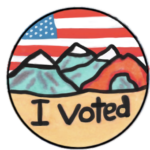 people connected with it,” she said. “Voting impacts people of all ages. Young people should be represented in our democracy too, no matter their age.” Grand County, Utah voters will find a small piece of local student artwork in their ballot packets this fall: an “I Voted” sticker designed by seventh grader Presley Black. Art teacher Brad Woodford said the project gave
 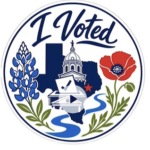 students a way to participate in the election through their artwork. “It was a wonderful opportunity for my class to participate in this year’s election by designing an ‘I Voted’ sticker,” Woodford said in a statement. Woodford teamed up with the students’ Utah history teacher, who taught a lesson on democracy the same day. He praised the students’ designs, saying “their creativity always delights and surprises me.” The winning designs of the “Future Voter” and “I Voted” sticker contests hosted by the Williamson County, Texas Elections Department were announced at the Williamson County Commissioners Court meeting on October 13. The designs will be made into stickers to be handed out to all voters in the Nov. 3 election while supplies last. The “Future Voter” contest was open to all elementary school students in Williamson County. The “I Voted” contest was open to middle school and high school students in Williamson County. A panel of judges selected the winning design. Brinda Morisetty, a 12th grader and Austin Gerdes an 8th grade won the “I Voted” contest and Felicity Ellis, a 2nd grader won the Future Voter contest.
Personnel News: Ross Streater has resigned from the Anson County, North Carolina board of elections. Kelli Martin has been appointed director of the Harrison County, Ohio board of elections. Cersha Snell has resigned as the Long County, Georgia elections supervisor. David Carlson has been appointed as West Chicago, Illinois city clerk. Brooke Schreiner, who resigned as Chatham County’s elections supervisor less than a month before early voting began, is now serving as Long County’s interim elections supervisor. Henry House, a retired executive chef and baker, has been hired as the new director of elections for Perquimans County, North Carolina. Congratulations to Chelan County, Washington Elections Director Stephanie Wilder who was presented with a “Certificate of Appreciation in Honorable Recognition of Outstanding Leadership and Service” from Secretary of State Steve Hobbs for getting the county’s elections system back online after a malware attack this summer.
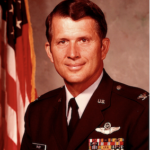 In Memoriam: Fred Galey, former Brevard County, Florida supervisor of elections, has died. He was 86. Galey oversaw trouble-free voting in Brevard County amid the tumultuous 2000 presidential election. After a career in the Air Force where he rose to become base commander at Patrick Air Force Base ended, he had a second career in government. He served as Supervisor of Elections in Brevard County for 16 years. Galey, a Republican, ran for — and won — the office in 1992 on a platform of modernizing the county’s voting systems. According to Florida Today, delays in tabulating and unsubstantiated claims of vote-counting irregularities on the night he was elected seemed to reflect the need for an upgrade. Still, it took years of Galey browbeating the County Commission before he finally convinced it in 1999 to pony up $1 million for optical-scan voting machines to replace the aging punch-card system the county had been using. Such punch-card systems, and their now-infamous “hanging chads,” were at the heart of 2000 presidential election fiasco in Florida. That was the first countywide election to feature the new voting equipment and Brevard’s tallies were not called into question. “I do think it kept us from infamy,” Nancy Higgs, a Democratic commissioner who voted to buy the new technology, said in 2008 when Galey announced his retirement. “We certainly would not have wanted to have been a county with hanging chads in that election in 2000,” she said. After first taking office, Galey was re-elected three more times before stepping down in 2008 after MS — which he was first diagnosed with in 2001 — forced him into a motorized wheelchair. “It’s been great providing the service to the voters of Brevard County and the state, but it’s time for me to move along and allow someone else to do the job,” he told Florida Today at the time.
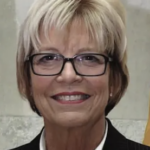 Barbara Netchert, who served as Hudson County, New Jersey clerk for a decade after holding senior positions in Jersey City government, died on October 13 after a lengthy battle with cancer. She was 76. Netchert served as county clerk from 2007 to 2017, overseeing the county office responsible for administering elections, maintaining public records and processing a variety of official documents. Gov. Jon Corzine appointed her to the post in 2007. Netchert went on to win election to the office, remaining county clerk until she retired in 2017.
New Research & Resources
Anticipating Election Misinformation in the 2026 Midterms: Experts at the Brennan Center for Justice at NYU Law and the Center for Democracy and Technology published “Anticipating Election Misinformation in the 2026 Midterms”. Authors detail how election misinformation tracks the election timeline, with examples of reoccurring misinformation themes that voters might encounter before the election, during early voting and on Election Day, and in the postelection period. They also share facts and resources to combat that misinformation, and help voters vote with confidence. .– Center for Democracy and Technology and The Brennan Center.
2026 Elections Performance Central Update: The Elections Performance Central (EPC) project was first developed to address challenges in election administration during the 2024 election. We’ve continued that mission during this year’s midterm elections, and are excited to announce that all six reports for our key states are now available on our website! This year, we analyzed the experiences of voters and election officials in detailed primary after-action reports for six states representing a cross-section of the American electorate: Arizona, California, Georgia, Michigan, North Carolina, and Wisconsin. These reports include detailed information about changes in these states’ election administration, updates on election-related legislation, analysis of key contests in their primary elections, and much more. We’re also building data guides for eleven states: Texas, North Carolina, Georgia, California, Arizona, Michigan, Wisconsin, and Nevada have already been added to the site. Minnesota, New York, and Pennsylvania are coming soon! These guides provide a roadmap through the large amount of data states produce and make available about elections, which is of interest to researchers but can be difficult to navigate. –MIT Election Lab.
Public Opinion: A new national survey of 1,463 U.S. adults aged 18 and over conducted by Centerline Research and Strategy for Better Choices for Democracy from September 26 to October 1, 2026 shows widespread concern about the state of political representation in the United States. Only 53% of respondents say they are somewhat (32%) or very confident (21%) that the 2026 election will be conducted fairly and accurately. Over one in three voters (35%) are not confident that the election will not be fair and accurate. Confidence rises when asked about voting access with 63% saying they are somewhat (33%) or very (30%) confident that all citizens who want to vote will be able to. Respondents are most confident in the accuracy of the vote count, which is conducted by local public servants who administer elections; 65% say they are very (31%) or somewhat (34%) confident that their vote will be counted as intended. Democrats and Republicans express the same levels of confidence that their own votes will be counted as intended at 74%, and express similar levels of confidence that the election will be conducted fairly and accurately at 67% and 63%, respectively. There is a larger partisan dividend in confidence voting access, with 83% of Republicans expressing confidence that all citizens who want to vote will be able to, compared with 61% of Democrats. Respondents who identify as Independents report the lowest levels of confidence on the three measures: only 38% say they are confident in the fairness, 51% in voter access and 54% on vote counting.–Better Choices for Democracy.
Fewest votes wins: plurality victories in 2026 primaries: 125 candidates won congressional and statewide primaries with less than 50% of the vote this cycle, according to a new FairVote report. This is the highest number since FairVote began tracking in 2018. This includes 21 House nominees who were nominated without a majority of their own party’s vote, and are projected to win an uncompetitive seat next month. These 21 incoming House members – effectively elected with just a fraction of a fraction of the electorate – are likely to represent between 20% and 40% of the next House freshman class. This year’s number of plurality primary winners has been exacerbated by both midterm retirements and mid-decade redistricting. “In states and districts across the country, majority rule has been replaced with ‘fewest votes wins.’ Powerful elected officials are chosen by a fraction of a fraction of the electorate – hurting democratic legitimacy and feeding polarization. Unprecedented mid-decade gerrymandering has only made the situation worse,” said Deb Otis, Senior Director of Research and Policy at FairVote. “Ranked choice voting in primaries would ensure that nominees at least have majority support within their own party.”–FairVote.
Political Campaign Use of AI-Powered Voter Outreach Highlights Regulatory Gaps: The growing use of AI-powered voter outreach through text messaging is moving faster than the legal frameworks meant to govern it. The most direct tool available, the federal Telephone Consumer Protection Act (TCPA), was written to regulate prerecorded calls and mass robotexts, not live, adaptive AI conversations that build an individualized profile of a voter in real time. This piece examines what the TCPA actually requires for AI-powered political texting, highlights gaps left by unclear and unfinished FCC action, surveys the emerging patchwork of state disclosure laws, and considers the constitutionality and privacy questions inherent in regulating this new technology.–Center for Democracy and Technology.
Informational Videos Help Voters Know What to Do About Intimidation at the Polls: Beyond our survey findings that voters of color share a greater expectation of potential intimidation at the polls this midterm election, we tested the effect that short, clear informational videos can have on respondents’ confidence that they would be supported or know what to do should they encounter some form of intimidation – particularly by federal immigration officials. Our experiment confirms that these informational videos can be effective when coming from trusted sources, such as election officials or community leaders. We hope you find this helpful in this critical time, and we encourage you to share this with your networks (it is only two pages – including graphics!), especially those trusted sources who could put this into practice. If helpful, the comic below (and attached) serve as an even briefer summary of our experiment.–Center for Transparent and Trusted Elections.
Ballot Measures, Legislation & Rulemaking
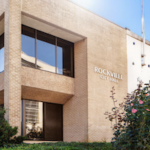 Rockville, Maryland: The Rockville City Council may amend its charter to allow 16- and 17-year-olds to vote in its municipal elections, including for mayor and council, starting in 2027. “Young people deserve a voice in the decisions shaping their lives,” Rockville City Council member Izola Shaw told The Banner. “I’m proud to have led this effort from its earliest stages.” Shaw brought the issue to the city’s charter review commission in 2021 before she joined the council in late 2023. That year, voters decisively rejected lowering the voting age by a more than 2-to-1 margin. This year, advocates, pointing to a growing list of jurisdictions that have adopted the policy, say there’s a better chance the lower age will become law. And the measure wouldn’t need to pass muster with Rockville’s electorate. A majority of the seven-member council will decide. Last week, the City Council officially introduced a proposal that would amend the county charter to allow teen voting. A date for the final vote has not yet been set.
 St. Louis, Missouri Ballot Measure: Voters in St. Louis will decide whether to change how they fill vacancies on the Board of Aldermen. The city in 2020 adopted a nonpartisan approval voting system for mayor, board president, comptroller and members of the board in which voters select as many candidates as they want in the primary with the top two advancing. While Proposition D said the system applied to special elections for aldermanic vacancies, the city’s charter says those must be filled using partisan elections. Proposition 1 deletes that section of the charter. “What we’re trying to do here is make sure that we don’t have a conflict within our own laws,” said 6th Ward Alderwoman Daniela Velazquez, who sponsored the legislation placing Proposition 1 on the ballot. “To go every election cycle knowingly saying we have a conflict that will not just iron itself out is not good government.” City elections officials say it costs about $30,000 for each round of a single-ward special election. If only two candidates file, a first round of voting is not required.
Legal Updates
 Federal Litigation: U.S. District Judge Sparkle Sooknanan blocked the Justice Department from using a flawed national voter database to revoke U.S. citizens’ voter registrations, finding it a clear effort by the Trump administration to “decide who gets to vote.” Sooknanan ruled that the Justice Department Civil Rights Division was unlawfully using the Systematic Alien Verification for Entitlements database — a system meant to verify immigration status and U.S. citizenship of benefit applicants — to review states’ voter registration lists and remove individuals it deemed ineligible. In her order, the Joe Biden appointee highlighted what she called “startling arguments” from Trump’s DOJ — including that “every American citizen who registers to vote is the subject of a voter fraud investigation … simply because they registered to vote.” “The defendants downplay the risk of voter disenfranchisement despite knowingly relying on an inaccurate database to check voter eligibility,” Sooknanan wrote. “Behind all the window dressing, the challenged policy represents the federal government’s attempt to decide who gets to vote.”
 Arizona: The U.S. Supreme Court rejected an appeal to overturn hundreds of thousands of dollars in legal sanctions against lawyers who represented failed gubernatorial candidate Kari Lake and made baseless claims about election fraud in her bid to upend how Arizona conducts elections. The high court released a list of cases it will hear and those it declined to, with the petition from Lake’s former lawyers among those that were refused. No explanation was given for why it will not be considered. In 2022, Lake and then-Secretary of State candidate Mark Finchem filed a lawsuit against the Maricopa and Pima county boards of supervisors aimed at preventing them from using electronic tabulators to count votes during that year’s midterm elections. The pair’s legal team argued that the state’s voting machines are susceptible to hacking. They wanted the federal courts to block election workers from using them to decide the outcome of the 2022 elections, despite Arizona law requiring the use of tabulators. The case was ultimately thrown out by a trial court judge and plaintiffs’ attorneys were sanctioned. “To sanction Plaintiffs’ counsel here is not to let Plaintiffs off the hook,” the judge wrote. “It is to penalize specific attorney conduct with the broader goal of deterring similarly baseless filing initiated by anyone, whether an attorney or not.” The 9th U.S. Circuit Court of Appeals upheld that ruling a year late.
 Florida: Antonio Padrigan, 51 of Jacksonville, is facing two felony charges after state investigators say he voted in the 2024 General Election despite not being a U.S. citizen. Padrigan was arrested Oct. 6 by the Jacksonville Sheriff’s Office on an active warrant. He faces charges of unqualified non-citizen elector willfully voting and false affirmation of oath, both third-degree felonies under Florida law. The Florida Department of Law Enforcement launched its investigation after receiving a complaint July 30 from the Florida Department of State’s Office of Election Crimes and Security. The complaint alleged that Padrigan, a lawful permanent resident originally from Mexico, had registered to vote and cast a ballot in Duval County while being ineligible due to his non-citizen status. According to the arrest warrant affidavit, Padrigan completed a Florida Voter Registration Application on Nov. 5, 2024 — the same day as the General Election. On the form, he indicated he was a U.S. citizen. That same day, at approximately 2:20 p.m., Padrigan cast a ballot at Duval County Precinct 410, located at St. Barnabas Anglican Church on St. Johns Bluff. An arrest warrant was issued Sept. 23, by a circuit court judge in Duval County. A JSO officer served the warrant at Padrigan’s home on Oct. 6 and transported him to jail. Bond was set at $5,003 on the false affirmation charge and $10,003 on the illegal voting charge. As conditions of his bond, Padrigan was required to surrender his passport and any travel documents.
 Georgia: U.S. District Court Judge Lisa Godbey has dismissed a lawsuit brought by a local conservative activist in which she alleged that her free-speech rights were violated when two Chatham County police officers forcibly removed her from a meeting of the county’s elections board in 2023. The activist, Beth Majeroni, was carried hands-and-feet from the meeting by the two officers after she defied the requests of the board’s chairman, Thomas Mahoney III, to vacate the podium during the meeting’s public-comment period because she’d breached meeting rules. A year later, Majeroni sued over the incident, claiming her rights under the First, Fourth and Fourteenth Amendments of the U.S. Constitution were violated. Named as defendants in the suit were Mahoney, the Chatham County Board of Elections, and the two police officers, Andrew Nizwantowski and Robert Santoro. The lawsuit asked for unspecified financial damages.At the heart of the suit was Majeroni’s claim that Mahoney, in ruling her out of order prior to her removal, was retaliating against her for complaining that she hadn’t received elections board documents related to the 2022 primary. But in her 58-page order, Wood says that Mahoney and the two police officers acted within their authority to stop Majeroni from continuing her remarks after she persisted in discussing the grand jury proceeding.
 Michigan: The Michigan Republican Party, Ingham County Republican Party and the Republican National Committee are suing election officials with the city of Lansing, accusing them of “illegally packing poll worker positions with Democrats, shutting Republicans out, and hiding election records from the public” during the August 2026 primary election. The Election Commission of the city of Lansing, Lansing Clerk Chris Swope, City Assessor Stacey Bassi and Lansing City Attorney Gregory Venker are named in the lawsuit filed last week. The RNC claims the city appointed 140 Democratic poll workers compared to just 71 Republicans to staff polling places during the primary – nearly twice as many Democrats as Republicans, “despite Michigan law requiring election officials to appoint workers from both major political parties in as equal numbers as possible.” The RNC alleges Republicans “submitted qualified candidates for the positions but were largely passed over.”
Five non-citizens allegedly voted in the 2024 general election, and one U.S. citizen allegedly attempted to register her non-citizen husband to vote, Michigan Attorney General Dana Nessel announced. Of the six newest charges announced, two of the non-citizens charged are facing only misdemeanors. Voter registrations associated with every identified non-citizen voter, whether or not their investigation resulted in charges, have been cancelled, the press release continued. Nessel said the charges reflect “the severity of the allegations, the sanctity of our democracy, and the tremendous consequences of voting illegally— whether that’s done to try and ‘test’ security measures or to make an unlawful vote count.” Michael Akioya, 39, of Oak Park, is a lawful permanent resident who allegedly registered to vote in 2016 and allegedly submitted an absentee ballot. Akioya was charged in March of 2026 with one count each of False Statement on an Absent Voter Ballot Application and False Statement on an Absentee Vote Ballot Return Envelope. Alondra Harker, 26, of Three Rivers, allegedly voted in person in her hometown in 2024, and is charged with Election Law – Fraudulent Registration. The other three non-citizens — Harumi Michael, 60, of Wolverine Lake, Basanth Sadasivian, 29, residing in the United Kingdom, and Robert Piva, 67, of Roseville — all face at least one felony charge.
 New Hampshire: On October 14, a federal appeals court rejected the state’s attempt to overturn a ruling allowing some New Hampshire voters to use student IDs to help verify their identity at the polls. The New Hampshire Senate passed a bill earlier this year banning student IDs from being used as voting identification. The change took effect June 2. Student IDs can no longer be used on their own to receive a ballot, but election officials may consider them on a case-by-case basis to help verify a voter’s identity if the voter lacks an accepted form of ID. On Oct. 5, a federal judge upheld the law’s ban on using student IDs as a standalone form of identification, but ruled that the secretary of state’s statement conflicted with the law’s provisions for voters who lack an accepted ID. The judge said the statement “discourages New Hampshire election officials and polling station personnel from reviewing and considering student identification cards.” The state appealed the ruling saying poll workers were not trained on this part of the law, but the 1st U.S. Circuit Court of Appeals rejected the appeal Wednesday. As of this ruling, student IDs may still be considered to help verify a voter’s identity if the voter does not have an accepted form of ID.
 New Jersey: Superior Court Judge Robert Lougy refused to block the Ocean County Board of Elections’ investigation into the voting eligibility of 37 voters registered in Bay Head. Lougy rejected the American Civil Liberties Union of New Jersey’s claim that the probe was a partisan effort to disenfranchise Democrats and unaffiliated voters there. The ACLU had sought an injunction on behalf of three of the voters targeted as well as the League of Women Voters, saying the board “bombarded” the voters last month with intimidating letters demanding proof of residency and threatening criminal sanctions if they failed to cooperate. “This was bullying through bureaucracy,” ACLU-NJ attorney Liza Weisberg said. But Deputy Attorney General Mark Gulbranson, who represents the board and its Republican chairman George Gilmore, insisted the board has the duty and authority to investigate all voter challenges regardless of any partisan motives the challenger might have. In a 37-page opinion, Lougy wrote that the ACLU failed to show irreparable harm, a requirement for an injunction. He noted that state law doesn’t empower the board to outright purge voters it suspects are ineligible, instead allowing it only to put them on a challenge list maintained by a county’s election superintendent. Challenge-list voters denied a ballot can fight for their right to vote in state court, he added. He conceded Gilmore’s letter “is susceptible to harsh or less harsh readings” but also found it “truthful” and largely a “request for information.”
 Pennsylvania: The U.S. Department of Justice announced that four Pennsylvania residents had been charged with noncitizen voting, part of the Trump administration’s nationwide crackdown on election crimes ahead of the 2026 midterms. Hacina Saadi, 48; Paulo Silva, 54; Jamil Ahmad, 50; and Nighat Jamil, 47, were all charged with one count of voting by an alien during the 2024 election. Silva, Ahmad, and Jamil are all lawful permanent residents, while the Department of Justice said Saadi was residing in the country illegally. The charges announced Monday bring the total number of individuals charged with noncitizen-voting-related crimes in Pennsylvania to 11 since September. Election officials contend that while voter fraud, including noncitizen voting, does occasionally happen, it is exceedingly rare. Votebeat and Spotlight PA analyzed data on election crimes from the Pennsylvania court system, the conservative think tank the Heritage Foundation, Department of Justice press releases, and news reports dating back to mid-2015. The analysis found 165 allegedly fraudulent ballots have been cast in that time, including the four announced this week.
 South Carolina: Rep. Michael Rivers (D-St. Helena), who lost his reelection bid, was arrested on accusations he pointed a gun at his primary opponent’s relative following an argument outside a polling place. Rivers was booked in the Colleton County jail before his release on a personal recognizance bond, according to court records. That means he signed a promise to return to court without needing to pay cash. The charge carries up to five years in prison, plus a fine left up to a judge to decide. Rivers is accused of drawing a weapon June 9 after an argument broke out at Green Pond Community Center, a polling place for the statewide primaries, according to an arrest warrant from the State Law Enforcement Division. According to the warrant, the charge was based on video from the parking lot as well as witness statements.
 Texas: The Texas Civil Rights Project filed a lawsuit on behalf of League of Women Voters of Texas and MOVE Texas Civic Fund against the Texas Department of Public Safety (DPS) and the Texas Secretary of State’s Office (SOS) that alleges the state failed to properly process voter registration applications, leaving counties across Texas scrambling to handle a backlog ahead of the November midterm elections. According to the lawsuit, nearly 600,000 voter registration records were sent to Texas counties after significant delays. Some of those records date back to October 2025. The plaintiffs allege the state’s failure to properly process online voter registrations and address changes violated a 2021 legal settlement. Karla Maradiaga, a voting rights attorney with the Texas Civil Rights Project, said the organization became increasingly concerned as it tried to understand the scope of the problem. “We’ve been building up this record of we know something is wrong,” Maradiaga said. “We couldn’t quite understand the scope because, you know, the state was not really providing information to the public or to us.” The lawsuit seeks records, compliance with the settlement and safeguards to prevent similar problems in the future, rather than monetary damages.
A Tarrant County judge denied a request for a temporary injunction to reopen some polling sites after the county announced plans to eliminate dozens of Election Day voting sites for the upcoming midterm elections. The ruling came after a hearing October 13 in a lawsuit filed by a group of voters against Tarrant County and four county officials. The four plaintiffs, all women of color who live in Tarrant County, allege that the plan to close voting sites was specifically meant to make it harder for racial minorities to vote on Election Day. Many of the eliminated voting sites are in neighborhoods with high Black or Hispanic populations, and were used by tens of thousands of voters for the 2022 midterms. The lawsuit claims the closures violate the Texas Constitution and the Tarrant County election code. O’Hare said the change exceeds the statutory minimum for voting centers, and said that some locations were changed due to buildings no longer being operable and ADA requirements.
 Wisconsin: Dane County Circuit Judge Everett Mitchell ruled that Wisconsin clerks can count ballots that are in a municipality’s possession by 8 p.m. on Election Day but don’t arrive at polling places until after that time because of election official errors. The decision comes months after Mitchell first ruled that Madison was correct to count 23 ballots that the city had in its possession before Election Day in April but didn’t reach the polls until after the 8 p.m. deadline, a delay city officials say was caused by election administrator error. “Where a qualified elector has complied with every statutory requirement, and the ballot was in the custody of the municipal clerk in time for delivery to the polling place, the failure of election officials to deliver it by 8:00 p.m. is not a lawful ground for rejecting the ballot,” Mitchell said in his order this week. Wisconsin law says that ballots must be “delivered to the polling place no later than 8 p.m.” on Election Day. The lawsuit was filed by Margaret and Robert Honig, two of the 23 voters whose ballots in the state’s April Supreme Court race were delayed, and whose ballots the Wisconsin Elections Commission ordered not to be counted before Mitchell reversed the agency’s decision in May. It alleges that discounting properly cast votes over election officials’ errors would deprive voters of their constitutional voting rights. The commission argued that a plain reading of Wisconsin law states that ballots arriving after 8 p.m. may not be counted. Dane County Clerk Scott McDonell disagreed, saying that state law can’t be reasonably interpreted to punish voters over election officials’ mistakes.
Opinions This Week
National Opinions: Election security | Normal election, II | Department of Homeland Security | White House ChatBot | Federal interference | Democracy | Noncitizens |
Arizona: Vote by mail |
California: Democracy |
Colorado: Ballot length | Vote by mail |
Connecticut: Election reform |
Florida: Voting rights |
Hawai’i: Election reform |
Kansas: Online voter registration |
Massachusetts: Election day registration |
Michigan: Secretary of state race |
Montana: Ex-felon voting rights |
Nevada: Secretary of state race, II |
New Jersey: Vote by mail |
New York: Get out the vote |
Ohio: Voter ID |
Oklahoma: Election Day |
Pennsylvania: Lehigh County |
South Carolina: Voter outreach |
South Dakota: Get out the vote | Secretary of state race |
Utah: Plan to vote |
Vermont: Vote by mail |
Wisconsin: Mis-/disinformation |
Upcoming Events
Election Hero Day: Election Hero Day is a nonpartisan, national celebration recognizing the tremendous contributions that election officials, their staff, and poll workers make to ensure a safe, secure voting experience for all Americans. Taking place on October 20, 2026, nonprofits, business leaders, brands, public officials, and more will unite to honor the election heroes in our communities. With your support, Election Hero Day will help boost election official morale ahead of Election Day and send a clear message to the public that we support our friends and neighbors who play such a vital role in preserving our democracy. When: October 20.
Wikipedia Editing Workshops-Local Election Issues: Have you ever been interested in editing Wikipedia? Join us for some free upcoming live editing sessions. We will provide background on Wikipedia policies (neutrality, sourcing, etc.), teach you how to make meaningful edits, and review your content as it goes live. We will be focusing on articles related to the 2026 midterm elections – local ballot initiatives, individuals running, and articles that can help inform voters. All sessions last two hours. You don’t have to stay for the duration. Whether you have years of editing experience or are starting from scratch, you are welcome to attend. When: October 20, 1pm Eastern; October 23, 12pm Eastern; October 28, 2pm Eastern and October 30, 1pm Eastern.
How To Prepare For The Midterms : Is your community ready for Election Day? Get your pressing questions answered. The midterm elections are already underway. Elections in the United States don’t only happen on Election Day. They happen in the weeks ahead as election officials process voter registrations, mail absentee ballots and administer early voting. So, how is mail voting going across the country? Or early voting at the polls? And what should Americans know about potential federal interference ahead of Election Day? Check in with election experts and Votebeat on Oct. 27. Votebeat is a nonprofit newsroom specialized in explaining how elections work. Each of our reporters and editors spend every day covering voting rules, election administration, misinformation, election lawsuits, local officials, and the systems that determine how ballots are cast and counted. Questions for the panelists can be submitted with your event registration. When: October 27, 12pm Eastern. Where: Online.
Vote Early Day: When Americans vote early, they ensure last-minute problems, long lines at the polls, confusing election laws, or voter disinformation cannot prevent us from casting our ballot. Vote Early Day is a tentpole moment for partners nationwide to engage with voters and empower them with the tools to cast their ballots early. When: October 27.
Assessing the Fairness and Integrity of the November Elections: The Safeguarding Democracy Project at UCLA promotes research, collaboration, and advocacy under the leadership of UCLA Law Professor Richard L. Hasen; one of the nation’s leading election scholars. The Safeguarding Democracy Project is built upon the premise that tackling issues of the U.S. election integrity must be collaborative: across ideologies, across scholarly disciplines, and as a bridge between theory and practice. Our events this semester are focused on the 2026 midterm elections. Speakers: Bill Gates, Arizona State University; Guy-Uriel E. Charles, Harvard Law School; Charles Stewart, MEDSL; Susan Stokes, University of Chicago and Tammy Patrick, Election Center. When: November 16, 3:15pm Eastern. Where: Online.
2026 Elections Summit: In a time of rapid change and evolving challenges to our electoral processes, collective reflection and forward-looking strategy are more important than ever. Bipartisan Policy Center’s 2026 Elections Summit will convene a diverse group of election practitioners, policymakers, and thought leaders to debrief the November election and chart a course forward for U.S. election administration. Be part of a defining moment for democracy as we gather in Washington, DC, to shape its future together. When: December 7, 9am to 4pm Eastern. Where: Washington, DC.
Job Postings This Week
electionlineWeekly publishes election administration job postings each week as a free service to our readers. To have your job listed in the newsletter, please send a copy of the job description, including a web link to mmoretti@electionline.org. Job postings must be received by 5pm on Wednesday in order to appear in the Thursday newsletter. Listings will run for three weeks or till the deadline listed in the posting.
Account Executive, VotingWorks– We are looking for a trusted sales leader who understands that election administrators don’t buy voting machines, they buy trust, both in the equipment and in the vendor. All 83 of Michigan’s counties will soon open at once, and we are in the running for the state RFP enabling us to sell our voting machines. Incumbents will have to re-earn their contracts, and we’ll be competing on equal footing for the first time. This opportunity is time bound. Trust matters deeply in this market. Your job is to build relationships and earn credibility quickly with state and local election officials. You will own the full Michigan territory. You’re responsible for the entire sales process: building pipeline, running demos, navigating procurement, and closing deals. We want sustainable sales contracts that are technically sound, politically supported, and set up for a clean handoff to Customer Success. For your first demos, you’ll be paired with our Executive Director and our Head of Customer Success to learn the messaging and the product. Once you take on demos on your own, you should still know when to bring in executive support and when to handle things yourself. This is a competitive market with a real window of opportunity. If you want to sell something that actually matters to Democracy, and you’re energized by moving fast when the timing is right, we’d like to meet you. Application: For the complete job listing and to apply, click here.
Administrative Services Director, Seminole County, Florida– Seminole County Supervisor of Elections is a constitutional office which prides itself on ensuring the accuracy and integrity of elections in Seminole County, Florida. The office exists to serve people, facilitate the electoral process, and ensure successful, secure and transparent election administration. The Administrative Services Director is a senior leadership position serving as a strategic advisor to the Supervisor of Elections and a key member of the executive leadership team. The position provides office-wide leadership across administration, finance, budgeting, human resources, organizational development, employee engagement, and executive initiatives. Requirements include a Bachelor’s degree in Accounting, Finance, Business Administration, Human Resources, Public Administration, or a related field; advanced degree, CPA, CFE, SHRM/SCP or comparable professional credential preferred. Additionally, seven (7) years of progressively responsible leadership experience in administration, finance, budgeting, human resources, organizational operations or public-sector management, including experience advising executive leadership, is required. Demonstrated experience managing budgets, financial reporting, organizational initiatives and employee engagement; government or election administration experience is preferred. A comparable amount of education, training, or experience may be substituted for the minimum qualifications. Application: For the complete job listing and to apply, click here.
Assistant Executive Director, Chicago Board of Election Commissioners–This full-time exempt position reports directly to the Board’s Executive Director and is responsible for overseeing the Board’s daily administrative operations, including Human Resources, Finance, and Purchasing. Working closely with the Executive Director, the Assistant Executive Director will also oversee general office functions, including but not limited to the mailroom, the copy room, and receptionists. Essential Duties and Responsibilities: Direct supervision of the human resources, finance and procurement functions of the Board. Assess Board policies and develop business strategies to ensure coordination across the various administrative functions in the Board’s downtown and warehouse offices. Monitor performance and provide feedback to senior administrative management, including teaching, supporting and modeling logistics in line with Board policies and procedures. Advise the Executive Director on matters impacting administrative operations. Participate in Board of Election Commissioners meetings, providing updates on current and long-term projects impacting the administration of the Board. Oversee Board financial matters, ensuring best practices for procurement, contracts, grants, and staffing. Direct supervision of ADA and Communication staff. Attend external meetings at the request of the Executive Director, including City/County budget hearings, civic events, intergovernmental matters, conferences, etc. Oversee the operation and selection of staffing of Election Central for Election Day support. Execute other duties as directed by the Executive Director. Salary: $144,000 – 154,000. Application: For the complete job listing and to apply, click here.
Customer Support Center Consultant Level 1, Hart InterCivic– The Customer Support Center Consultant Level 1 (CSC 1) provides Tier 1–2 support for Hart InterCivic products, helping customers troubleshoot issues and keep election operations running smoothly. The CSC I’s primary responsibilities are to: Resolve and route customer issues via phone, email, and remote tools; Document cases in the CRM and communicate status through resolution; and Use product documentation to deliver clear, customer-friendly solutions. This role researches and resolves issues, supports hardware/software configuration and deployment, and provides training or on-site support as needed. It also documents processes and partners with other departments to improve service delivery. This position follows the Proprietary Information and Intellectual Property Agreement and is responsible for protecting company information, including when working off-site or outside normal hours. Application: For the complete job listing and to apply, click here.
Cybersecurity Assessor (Election Security), Apollo Information Systems: The Technical Assessor conducts in-depth technical and program-level cybersecurity assessments of client environments, identifying risk, measuring control maturity, and producing clear, actionable guidance that advances each client’s security posture. This is an experienced assessor role: the individual independently leads assessments end to end, evaluates complex environments against multiple frameworks, and is a trusted voice in front of both technical teams and executives. The assessor also helps mature Apollo’s assessment method. Salary: $80K – $120K. Application: For the complete job listing and to apply, click here.
Election Night Stringer, USAToday – USA Today is looking for stringers to work on election night as election results reporters. This is a contractor position for one night on November 3rd, 2026, and pays a flat fee equal to $125. The assignment is expected to last approximately 3-4 hours, but may extend longer depending on election-night reporting needs. There is potential to become a regular stringer in our election night operations, so long as the job is done well. We are hiring locations in nearly every state in the country, so please send an email and we’ll be happy to let you know what is closest to you. USA Today Stringers are a valuable part of our election results collection operation. As a stringer, your main responsibility is to report results to USA Today on Election Night, on 11/3/26. Results will be released by election officials periodically, and stringers will upload the new results as quickly and accurately as possible after receiving the update. They will also remain on site to answer any questions USA Today may have about when or how results are being released. This position typically takes around 3-4 hours but could go longer, and stringers should be prepared to stay until the election official indicates that no more results will be released this evening. There will be a short training prior to election day that will cover how to report results, how to interact with officials, and how to get paid. If interested, please email kmartin@usatodayco.com with your name, phone number, and zip code. Candidates who also send a sentence or two about why they are interested and a good fit for the role will receive priority consideration.
Election Specialist I, Illinois State Board of elections– Under general supervision of the Election Operations Team Lead, assists with certification of ballots and handling inquires; acts as contributor to Board publications; provides general interpretations of various election laws to election authorities, election judges, and the general public; provides oral and written answers related to questions regarding various statutes; conducts election judge training classes for election authorities. Essential Functions: Assists in providing general interpretation of various election laws; advises local election authorities and officials concerning necessary implementation, abolishment or revision of procedures resulting from changes in statutes and/or rules and regulations. Assists in the preparation and writing of various agency publications to be used for in-house reference and election authority distribution; conducts training sessions for various election authorities as assigned. Assists in providing written answers related to questions arising out of the Illinois Election Code to election officials and authorities, legislative staff and members of the general public; refers obscure or novel inquiries to senior personnel. At the request of the director/operations lead, assists in all activities of candidate nomination filing. This includes, but is not limited to, the following: petition filing, objection filing, service of notice for objections, electoral board meeting support, candidate withdrawals, and ballot certification. Performs other duties as assigned or required which are reasonably within the scope of duties enumerated above. Salary: $4,334 – $6,500. Application: For the complete job listing and to apply, click here.
Election Worker – Office Assistant (Extra Help, Seasonal), San Mateo County, California– The Elections Division is an exciting, fast-paced environment, especially as elections approach. This is an excellent opportunity to work with a group of dynamic, well-organized, and highly efficient individuals committed to the democratic process. The San Mateo County Registration & Elections Division is seeking full-time, seasonal Election Worker – Office Assistants to assist in the upcoming November 3, 2026, Statewide General Election. This is an excellent opportunity to be involved in the election process! We are currently seeking dedicated, enthusiastic and hard-working individuals for temporary, full-time positions to be hired into one of the following areas: Ballot retrieval, vote by mail, voter registration/clerical support, voter helpdesk support, supplies, field techs/warehouse. This is an extra-help, at-will assignment, paid on an hourly basis. Extra-help hours are dependent on the business needs of the department and therefore work hours may vary from week to week. Extra-help employees shall not exceed 1,040 hours of work per fiscal year. Some extra help positions are eligible for benefits under the Affordable Care Act. Extra-help employees are not guaranteed permanent status at the end of the assignment. Salary: $24.91/hour. Application: For the complete job listing and to apply, click here.
Elections Data and Analytics Manager, Tennessee Secretary of State’s Office – Responsible for statewide election data governance, voter registration data integrity, business intelligence, reporting, analytics, data integration, and performance measurement. This position serves as the Division’s subject matter expert on election data and ensures accuracy, security, compliance, and accessibility of election information. This position assists ballot review and approval, producing and analyzing election-related state and federal reports, maintaining and assisting in updating elections mobile app. Assist in planning and coordinating the computer functions and responsibilities for the Elections Division which includes, but is not limited to: data processing, integrating the statewide voter registration system with county voter registration systems, improve election reporting capabilities; analyzing and resolving technical software issues (25%) for the Division of Elections and 95 county election commission offices, which includes, but is not limited to cybersecurity practices, and performing other duties as assigned. Salary: Commensurate with experience and State of Tennessee benefits package. Application: For the complete job listing and to apply, click here.
Elections Finance Administrator, King County, Washington: This is an amazing opportunity to be engaged in the election process! The Department of Elections is searching for energetic and resourceful professionals who like to “get stuff done”. The Elections Finance Administrator position in the Elections Department combines an exciting, fast paced environment with the opportunity to cultivate talents and apply a variety of skills. The ideal candidate will thrive in an innovative and fast-paced environment and will not hesitate to roll up both sleeves, work hard, have fun, and get the job done. We are seeking an Elections Finance Administrator to join a mission-driven team that supports essential department operations. The Elections Finance Administrator is a self-motivated administrative professional with strong judgment, accuracy, and a customer-focused approach. In this role, you will support a wide range of core administrative functions including accounts payable, purchasing, payroll, process improvement, and records management. Salary: $38.38 – $48.79 Hourly. Application: For the complete job listing and to apply, click here.
GIS Specialist, Palm Beach County, Florida– Help power accurate, well-run elections through smart mapping and rock-solid data. As a GIS Specialist II with the Palm Beach County Supervisor of Elections, you’ll own core geospatial datasets, turn complex information into clear maps and insights, and improve the workflows teams rely on to plan and execute election operations. Your work helps ensure precinct, polling place, and district data is accurate and easy to use—supporting operational readiness, transparency, and timely decision-making. You’ll maintain and enhance GIS databases, produce print and web-ready map products, perform quality control and spatial analysis, and keep GIS synchronized with the Voter Registration System. You’ll collaborate with both technical and non-technical teams, document standards and changes, and provide training and troubleshooting support. Salary: $72,800 to $87,000. Application: For the complete job listing and to apply, click here.
IT Assistant Manager, Palm Beach County, Florida–The Assistant IT Manager plays a vital and supportive role in ensuring the smooth operation of the IT department, aligning both the technical infrastructure and the team with the organization’s goals. This position involves collaborating closely with the Election Technology Director to oversee the implementation of technology solutions that meet the organization’s needs. The Assistant IT Manager helps maintain an efficient and effective IT environment. The Palm Beach County Supervisor of Elections Office is committed to hiring talented individuals with diverse experiences that will enhance the services we provide to the residents of Palm Beach County. We are always looking for dedicated individuals who do all things with Integrity and Accountability, who excel in Customer Service, and believe in Transparent, Secure Democracy. At the Supervisor of Elections Office, we strive to help our employees find passion and purpose. Join us in being the best place to vote. Salary: $85000 to $125000. Application: For the complete job listing and to apply, click here.
Marketplace
electionline provides no guarantees as to the quality of the items and the accuracy of the information provided about the items in the Marketplace. Ads are provided directly by sellers and are not verified by electionline. If you have an ad for Marketplace, please email it to: mmoretti@electionline.org