In Focus This Week
Analyzing Claims about Noncitizen Registration or Voting
Announcing CEIR’s new interactive tracker
By Kyle Yoder, Carly Colen, and Iris Ong
Center for Election Innovation & Research (CEIR)
Much attention has been paid to sweeping claims about possible noncitizens registering to vote or even casting ballots in US elections. After years of intense scrutiny by local, state, and even federal officials, all available evidence strongly suggests that this number in any state is extremely small. Election officials—in every state and regardless of party—act swiftly to investigate and address these claims whenever they arise, and large claims shrink under this scrutiny. Yet the claims continue, appearing to arise from misunderstandings, mischaracterizations, or outright fabrications about voter data.
The Center for Election Innovation & Research (CEIR) has released a comprehensive, interactive tracker of claims about noncitizen registration or voting. For the first time, voters, policymakers, and the public can see details and analysis of all these claims, grounding discussions in facts.
This tracker is the most comprehensive resource publicly available on this topic. CEIR researchers systematically documented and analyzed public claims about possible noncitizen registration or voting in all fifty states and Washington, DC. Claims were documented going back several years, up to a decade or more where possible. While no effort could exhaustively catalog every individual or unsubstantiated claim made on the internet, CEIR’s new tracker expansively includes (1) specific, unique claims made by public officials or news media, (2) the results of official investigations into these allegations, and (3) any other official reports about flagged or unverified records.
The result is clear and consistent evidence: instances of registration or voting by possible noncitizens are extremely rare in every state. CEIR plans to continue updating this tracker regularly, making it the go-to resource for those looking to understand the full picture around claims of possible noncitizen registration or voting.
As part of that full picture, CEIR has updated our year-long analysis into the claims in the tracker. CEIR’s review continues to find that sweeping allegations about possible noncitizen registration or voting appear to arise from misunderstandings, mischaracterizations, or outright fabrications about complex voter data.
CEIR’s analysis finds that scrutiny shrinks claims. In every state, the numbers announced after a proper investigation are far smaller than any numbers announced before review. Most serious claims alleging large numbers of possible noncitizens on voter registration rolls are later found to be based on outdated, incomplete, or improperly matched data. Unfortunately, the smaller revised numbers following proper investigation typically receive far less public attention.
CEIR also finds that even the largest claims represent tiny fractions of registered voters in any state. Even when taken at face value, the largest claims never identify a number of possible noncitizen registrants or voters that amounts to more than roughly one-tenth of one percent of the number of active registered voters in that state. This indicates that existing safeguards are broadly effective and highlights the integrity of the election system.
Adding to public confusion, CEIR finds that there are no “apples to apples” comparisons between the claims made in different states. For example, some states publicly announce the number of records flagged by cursory reviews for possible noncitizen registrants, while others wait to publish the number of records removed only after a thorough investigation. Even within the same state, details like these can vary significantly from one claim to the next. These differences can make it difficult for members of the public to realize they’re talking about different things, allowing false ideas to take root.
Finally, the use of the federal SAVE tool by at least 28 states in the last year has not changed these trends. CEIR’s analysis finds that claims resulting from the use of SAVE followed the same patterns outlined above. Even the largest claims based on SAVE represented tiny fractions of the number of active records on a state’s voter registration list. Subsequent investigations of SAVE-flagged records revealed systemic gaps and errors in the data. Early announcements based on SAVE flags were frequently revised downward after further investigation using more accurate data.
CEIR’s analysis goes into further detail about each of these points, and the new tracker clearly lays out the details for readers to see. In an era when voters, policymakers, and members of the public have many questions about claims of possible noncitizen registration or voting, we hope this tool can provide a shared foundation for better understanding and discussion. Check out CEIR’s interactive tracker of claims about noncitizen registration or voting and read the full analysis here.
CEIR acknowledges the hard work of each contributor to this research effort: Kyle Yoder, April Tan, Shaniqua Williams, Iris Ong, Carly Colen, Mia Minkin, Daniel Mussell, Charlotte Davey, Kyle Upchurch
electionline Daily News Email
 What’s the best part of waking up? electionline Daily News in your inbox of course so be sure to sign up for your daily dose.
Each morning you’ll receive the top headlines of the day, plus a listing of states featured in that day’s news round up.
To sign up, simply visit our site and provide us with your email and you’ll begin receiving the news in your inbox each morning.
We Google so you don’t have to!
electionline Merch
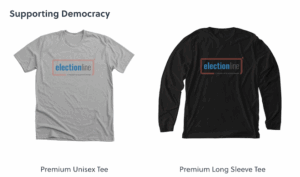 You’ve asked for it, well now you’ve got it! Just in time for all of your holiday gift-giving. We’ve opened up an electionline merch store using Bonfire. Currently we’re offering a couple of different t-shirts, a long-sleeve t-shirt and a hoodie.
Election News This Week
 Federal Update: This week, President Donald Trump demanded that Senate Majority Leader John Thune cancel the chamber’s upcoming August break until senators pass a strict proof-of-citizenship voting bill, even as Republicans lack the votes to advance it. According to The Hill, Thune’s reaction was lukewarm at best. Thune noted that the Senate has debated the election reform bill for weeks already this year without a winning result. “If I thought there was a path for getting a result, I’m all for it. I’m a cosponsor of the SAVE Act. We voted on it two, three, four, five times already. We had it up on the floor for an extended period of time,” he said. Brazil has denied visas to two senior State Department officials whom the Trump administration planned to dispatch on a mission to cast doubt on the fairness and integrity of the country’s electoral system before millions of Brazilians vote in a presidential election on Oct. 4, the Foreign Ministry said Saturday. U.S. Attorney for the Southern District of New York Jay Clayton will become the next director of national intelligence after the Senate voted to confirm his nomination following a monthslong stalemate. Clayton’s nomination was confirmed by a 51-47 party-line vote. While the legal battle over mail ballots continues, the U.S. Postal Service replied to concerns about vote by mail by saying it remains “committed to fulfilling our role in the electoral process.” “We provide a secure, efficient, and effective way for citizens to participate when policymakers decide to use mail as part of their elections,” it said in a statement this week.
 2026 Elections: South Dakota held a gubernatorial primary runoff this week. The election was South Dakota’s first runoff in state history because of a 1985 law stating that if no candidate reaches 35% of the vote in a primary election, the top two vote-getters advance to a runoff. Despite the history-making election, turnout was relatively low. Minnehaha County Auditor Leah Anderson said turnout was lighter than expected. “We don’t do any reporting of how things are going at the precincts necessarily for numbers until later, but right now, it sounds like it’s been a little slow at the precincts,” Anderson said. Hughes County election official Thomas Olivia said things went well and it was a good test for voting system updates before the next big election. The Pima County, Arizona Recorder’s Office says a new verification system for mail-in ballots delayed processing time in last week’s primary election by creating additional steps. The intention of the ID Verified Early Ballot Drop Off system was to help speed up the tabulation process for ballots turned in on Election Day by bypassing the standard signature verification that’s completed by the Recorder’s Office. Pima County Recorder Gabriella Cázares-Kelly told AZPM that the office implemented the ID Verify option during the countywide Regional Transportation Authority election in March and had received many complaints about how voters were approached with the ID Verify option. Some voters felt singled out, discriminated against or even racially profiled. Some said they were made to feel as if it were mandatory. Another issue that came up was language that voters used when requesting the ID Verify system. Many requested early voting staff to “signature verify” their ballot. Cázares-Kelly also noted that while signature verification is only conducted by specialized staff at the ballot processing center, it will be training staff to interpret that language as a request to ID Verify in the next election cycle. In a separate statement Cázares-Kelly said, “As a reminder, this was a legislative change made without meaningful input from the election officers in Arizona.” In Navajo County, Arizona more than 1,300 mail ballots were returned to the county office by the U.S. Postal service marked as undeliverable. Recorder David Marshall said 99% of the addresses on the returned ballots are accurate, according to his office’s system, but officials do not know why the ballots did not reach voters’ homes. In a statement, Marshall said his office notified affected voters by mailing them instructions on how to vote in person during early voting or on election day. His office is working with the U.S. Postal Service to determine why the ballots were returned. California election officials rejected nearly 150,000 ballots in the June 2 primary election, an increase of tens of thousands over recent elections, according to a report from the secretary of state’s office. That accounted for 1.7% of all vote-by-mail ballots cast, marking the state’s highest rejection rate since 2014, according to the California Voter Foundation. Most of the rejected ballots were reported as “not received on time,” which can mean that the ballot was either postmarked after Election Day or arrived in election offices after the June 9 receipt deadline. During recent public testing of voting equipment in advance of the August 18 primary, one piece of voting equipment in Lee County, Florida failed the test. “We had an operational error with one of the pieces of equipment, and it will be removed and not utilized in the primary election,” Supervisor of Elections Jenna Persons-Mulicka said. “The test worked as intended. That is why we test our equipment because we want to make sure they’re operational and that they produce accurate results.”

Photo by Luke Garrett/NPR
Update on the News: Back in May we wrote about steps some states were taking to prevent wagering – largely through prediction markets – on elections by election workers and voters. At the recent National Association of State Election Directors summer conference, prediction markets were a topic of conversation. The markets create a potential for “insider threats” and “new incentives” for bad actors to meddle in elections, Jonathan Brater, Michigan’s election director said according to NBC News. “I don’t know how bad it’s going to be, but I can imagine as much as we already have coming our way … it could be several degrees of magnitude worse if you have people who have lost money and were told they were cheated out of it,” he said. In Maryland, state Elections Administrator Jared DeMarinis wrote a letter to the state’s top prosecutor asking them to investigate the legality of prediction market platforms. DeMarinis, in a one-page letter to the Office of the State Prosecutor, said he believes the law is clear. “Currently, prediction market platforms permit participants to wager money on the outcome of State and local elections, with financial returns dependent upon the results certified by election officials,” DeMarinis wrote in his letter dated July 23. “These activities raise substantial questions as to whether such contracts constitute prohibited wagering on election outcomes under Maryland law. From my plain reading of the statute and how the sites operate, I believe they do.” In Wisconsin, a recent advisory from the Wisconsin Election Commission informing voters that they cannot place a bet in an election in which they cast a ballot set off a social media firestorm. “I was sitting at my desk, and all of a sudden Twitter was showing a lot of alerts,” said Jacobs, who watched a flood of posts inundate her screen from employees, lawyers and other boosters of the prediction market company Kalshi. “My reaction was, boy howdy are they mad,” Jacobs told NPR. This is not a new policy. The advisory was simply stating the basics of a Wisconsin election law originally passed in 1849, Jacobs said. Kalshi, the company leading the prediction market craze, is criticizing the law, calling it “bananas,” “illegal” and a type of “voter suppression.”
 Sticker News: The votes are in and the Livingston County, New York Board of Elections has declared Gemma Valentino as the winner of this year’s “I Voted” sticker design contest. Gemma is a home school
  student from Geneseo who will be entering 8th grade in September. Her original artwork sticker design celebrating 250 years since the signing of the Declaration of Independence received 35.9% of the ballots cast in an online public vote. “It’s inspiring to see all the creative ways our community’s young people came up with to celebrate democracy and our country’s founding. Promoting civic engagement at a young age is crucial in creating good citizens,” said Republican Elections Commissioner Gary Nageldinger. “We’re excited to share Gemma’s design with voters in our upcoming elections.” The work of a New Orleans artist Terrance Osborne is featured on this year’s version of the “I Voted” sticker handed out at Louisiana polling locations. Osborne joined Secretary
  of State Nancy Landry to unveil his design at the Old Governor’s Mansion. The inspiration for the artwork was what Louisiana would look like if you could see its sound, Osborne said. “What an honor it is to be the artist, especially looking at the artists that have come before me,” Osborne said in a news release from Landry’s office. “When people vote and get their ‘I Voted’ sticker, they’re excited — they put it on their shirt, and it shows that they’ve officially voted. To be a part of that, of that symbol of voting, is something that I couldn’t be more excited about.” Louisiana has provided “I Voted” stickers on election days since 2016, starting with a Blue Dog image from artist George Rodrigue. Other Louisiana artists chosen for the sticker include Rodrigue protegé Tony Bernard of Lafayette, Becky Fos of New Orleans and Shreveport’s William Joyce. Santa Clara County, California is celebrating six student winners in its first-ever “I Voted” sticker design contest. The county’s Registrar of Voters announced the results for the contest that launched this Spring. 203 students from elementary school, all the way to college and trade school, submitted artwork. What resulted was more than 10,000 votes cast to help select the winning designs. Organizers had originally planned to select just one winner, but said the creativity and diversity of the finalist designs inspired them to recognize six winning artists. “We hope that experience is the beginning of a lifelong habit of participation for these young artists,” said Matt Moreles from the Registrar of Voters. “We also hope their work puts a smile on each voter’s face and makes the voting experience just a little more memorable.”
Personnel News: Maryland State Board of Elections Chair Michael G. Summers announced that he will leave the board on July 31. Willard A. “W.A.” West, Jr. has been appointed to Vance County, North Carolina Board of Elections. The Michigan Board of State Canvassers rejected a recall petition for Antrim County Clerk Victoria Bishop. Sarah DiGirolamo is the new deputy elections administrator for Rockwall County, Texas. Washington County, Texas Elections Administrator Carol Jackson is retiring. Peggy Caratelli has been sworn into the Columbiana County, Ohio board of elections. Epiphane Joseph has been appointed to the Virgin Islands Board of Elections. Lincoln County, Montana administrator Matt Williams has been appointed interim county elections administrator. Schuyler County, New York Democratic Elections Commissioner Brian Eslinger has resigned. Allie Smith has been appointed to the West Virginia State Election Commission. Weston County, Wyoming Clerk Michael Tooman resigned three weeks before the primary election and less than two months after a district court judge appointed him to the position. Shelby Township, Michigan Clerk Stanley Grot announced he will recuse himself from election duties on August 4 because his wife is on the ballot in a state House race.
New Research & Resources
California Ballot Counting: This week, the California Voter Foundation (CVF) released Ten Recommendations to Accelerate California’s Vote Count and deliver more timely results, without jeopardizing voter access and security protections that define the state’s election system. This is the second round of recommendations following last month’s report, California’s Long Count: Examining Efficiencies in Ballot Processing for Earlier Election Results, which identified fixable operational challenges. Today’s recommendations go further—identifying additional policy changes needed in state law, public reporting, election infrastructure, and voter behavior—to shorten the time it takes to count ballots and call close races. The full list of recommendations is available here. “California doesn’t have to choose between an accessible, secure election system and timely results,” said Kim Alexander, president of the California Voter Foundation. “Our research shows we can address the long count while preserving—and in some cases strengthening—the protections that make California elections accessible and trustworthy. These recommendations give lawmakers, counties, election officials, and voters each a role in shortening the count while strengthening confidence and reducing opportunities for misinformation.”
When Something Happens: When Something Happens is a nonpartisan voter messaging toolkit designed to help you say something fast to calm voters in the critical moments after something happens. The toolkit includes messaging to: Help voters find alternative ways to vote; Counter rumors and misleading information with ready-to-use responses; Deliver calm, nonpartisan information when voting access is threatened; Keep voters informed and confident when results are delayed. What’s inside the toolkit: Social media graphics that you can customize using tools like Canva; Text for social media posts you can customize; Downloadable images you can use for different social media platforms; and Spanish-language options will be included You can choose to use any elements you need, including the graphics or just the text, to aid you in those critical moments. The best time to open this toolkit is before something happens, not the morning after. Explore it now at www.WhenSomethingHappens.org.
2026 State-By-State Community Voter Registration Guides: As states continue to introduce new restrictions that complicate voter registration and participation ahead of the midterm elections, Fair Elections Center is releasing an updated set of state-specific guides to help community advocates conduct voter registration drives in accordance with new local requirements. The free, nonpartisan resources provide clear information for 49* states and Washington D.C.’s voter registration deadlines, notification and registration requirements, compensation restrictions, registrar training mandates, application paperwork, and more. In recent years, voter registration rules have become increasingly inconsistent across the country. States have begun adopting confusing proof-of-citizenship requirements, stringent fines for innocent mistakes by community groups conducting registration drives, reduced operating hours for in-person voter services, and other administrative red tape. As these policies continue to evolve, Fair Elections Center aims to equip community organizers with trusted, nonpartisan state-specific resources to help them understand the voter registration process and prepare for upcoming elections—specific to where they live. “Helping fellow community members register to vote shouldn’t require people to become experts in election law,” said Michelle Kanter Cohen, Senior Counsel and Policy Director at Fair Elections Center. “When states adopt new registration requirements or make it harder for community groups to help voters register, the burden falls most heavily on new voters who aren’t otherwise likely to make it through the steps to be ready to vote. These guides help ensure that community leaders and organizations have the information they need to understand the voter registration process in their state and feel empowered to help fellow citizens register and vote in the midterm elections.” Voter registration drive guides for 49* U.S. states and Washington, D.C. can be found here.
Ballot Measures, Legislation & Rulemaking
 Federal Legislation: U.S. Sen. Alex Padilla, D-Calif., unveiled legislation to counter the Trump administration’s “attacks on American elections” last week. The bill, called the Stop Harassment and Intimidation in Elections through Legal Defenses (SHIELD) Our Elections Act, would give state attorneys general and voters a new pathway to enforce federal anti-election interference laws. It would also extend the time limit for bringing federal criminal prosecutions of these laws from five to nine years. “Our elections belong to the voters, and I am fighting to protect every eligible voter’s right to cast a ballot freely and sending a warning that anyone who interferes with our democracy will be held accountable — sooner or later,” Padilla said in a statement. Among other election safeguards, the SHIELD Our Elections Act would strengthen protections against ballot seizure and authorizes a voluntary grant program to support states with mail and absentee tracking programs. Padilla’s office called these measures a “proactive federal response to the Trump administration’s escalating attacks on voting rights and election administration ahead of the 2026 midterms.” The legislation follows the recent passage of California’s SB 73, which prevents election interference at the state level.
 Kern County, California: Kern County is preparing to shift election administration away from the Auditor-Controller-County Clerk’s Office and place it under a separately appointed registrar of voters, a step toward alleviating years of complaints about sluggish vote counting. The Kern County Board of Supervisors introduced an ordinance this week establishing a standalone Department of Elections. The ordinance would give the new department responsibility for administering federal, state and local elections throughout Kern County. The department would maintain voter-registration records, manage precincts and election logistics, oversee candidate filings and campaign disclosures, and report election results. The registrar of voters would be appointed by and report directly to the Board of Supervisors. The registrar would also be exempt from the county’s civil service system. According to the county’s recruitment materials, the new Elections Department will have 21 employees and an annual budget of approximately $7.1 million. The registrar position pays between $159,839 and $191,031 annually, depending on qualifications. The benefits package also includes a $599 monthly vehicle allowance. Kern County combined its auditor-controller, county clerk and registrar of voters positions in 1995, placing responsibility for elections under one elected official.
 Aspen, Colorado Ballot Measure: The Aspen City Council agreed during a work session this week to ask voters whether they want to move Aspen’s odd-year March municipal elections to November in even years. Moving the city’s elections to November could increase voter turnout and reduce the burden on the city clerk’s office, which manages the election for about six months every two years, City Clerk Nicole Henning first told the city council in November 2024. The city council briefly discussed the possibility of moving the municipal election last year, but council members had not discussed the possibility in depth until the Monday work session. They all agreed to pose the question to voters, but will vote on official ballot language — including what a runoff system would look like and how to stagger terms during the transition — in August. Aspen voters approved a referendum in 2018 that moved municipal elections from May to March. A group of citizens argued at the time that the municipal election being held on the first Tuesday of May resulted in lower turnout because it took place when city occupancy is at its lowest point of the year. Aspen Citizens for Democracy, the committee behind the 2018 referendum, said moving the election to the high season would improve voter turnout.
 Madison County, Illinois Ballot Measure: Madison County voters will be asked in November’s ballot if they think Illinois should require identification to vote in elections. The county board recently voted 17-2 to place a nonbinding referendum on the ballot. While supporters of the advisory referendum say it’s a way to measure voter sentiment on a timely issue, critics of the referendum equate the question to President Donald Trump’s SAVE America Act. The question to Madison County voters reads: “Shall the Illinois General Assembly pass legislation to require government-issued identification to vote?” Even if the referendum passes in November, Illinois’ legislature, controlled by Democratic supermajorities, will not likely pass such a measure. In 2024, 56.5% of Madison County voters approved an advisory referendum that asked them about splitting from the Chicago area and forming a new state.
 East Lansing, Michigan Ballot Measure: A group of East Lansing residents submitted a petition to the City Clerk’s Office Monday seeking to place a proposal on the November ballot that would move City Council elections to even-numbered years, a change supporters say would boost voter turnout. Adam DeLay, an informal leader of the petition group, told East Lansing Info that 1,167 certified signatures are needed to place the initiative on the November ballot. The group submitted more than 1,400 to the clerk’s office to verify. If the effort is successful, it would have a profound impact on local elections, as far fewer people vote in odd-year elections, when City Council elections may be the only race on the ballot. In the November 2025 City Council election, about 6,300 ballots were cast, compared to more than 17,500 votes cast in the November 2024 election, according to data on the Ingham County Clerk’s Office. “Our view is that you have 6,000 residents shaping the politics of more than 60,000, which includes full- and part-time residents,” DeLay said
 New Jersey: Gov. Mikie Sherrill has signed legislation ensuring that New Jerseyans who work the polls will not lose unemployment benefits because of their election-related wages, a move aimed at making it easier for counties to recruit the temporary workers needed to run elections. The bipartisan measure, A1516, removes compensation earned by temporary election workers from the calculation used to determine unemployment benefits. Sherrill signed the bill on July 22, and it took effect immediately. Under the new law, services performed by temporary workers hired by county election boards –including those staffing polling places during early voting and on Election Day or helping process mail-in ballots — will no longer be classified as employment under the state’s unemployment compensation law. Previously, those wages could reduce an individual’s unemployment check, leaving some recipients with little financial incentive to accept temporary election work. Supporters say eliminating that penalty will expand the pool of available poll workers at a time when county election officials routinely face challenges filling shifts, particularly for early voting and the long hours required on Election Day. “This bill sends a clear message that participating in our democracy shouldn’t come at a cost,” said State Sen. Kristin Corrado (R-Totowa), one of the bill’s Senate sponsors. “Counties rely on committed poll workers to ensure every vote is counted during early voting, on Election Day, and when processing mail-in ballots, yet too many people are discouraged from stepping up due to the risk of losing their unemployment benefits.” Corrado said protecting those benefits would encourage greater civic participation while strengthening New Jersey’s election system.
 North Carolina: The North Carolina Senate Elections Committee advanced a pair of election law bills, drawing mixed reactions from voting rights advocates.
The first bill, House Bill 834, received mostly praise, as it extends the period during which voters are able to cure problems on their ballots from three business days after the election to five business days after the election, among other reforms. And it allows voters whose driver’s license expiration was put on hold last year to continue using them as valid voter IDs. But that bill also expands the number of forums for challenges to State Board of Elections decisions, which are currently heard in Wake County Superior Court, by also allowing them to be brought in the superior court of the county where the petitioner resides — a change that advocates say would allow judge-shopping and could lead to an increase in frivolous challenges to lawful votes. Lawmakers on the Senate Elections Committee removed the original language of H834, which would have allowed hunting and fishing license applicants to also register as organ donors or voters, replacing it with this new set of proposals. This version of the bill has not yet been considered by the House. That bill passed the Elections Committee without any opposition.
According to NC Newsline, by contrast, House Bill 958 has been the subject of controversy for months, sparking protests in the House committees in which it was heard, leading to the ejection of members of the public from a hearing. But much of that bill’s language was stripped out by the Senate, with their version cut down to 16 pages from the House’s original 37. Sen. Warren Daniel (R-Burke), who introduced the bill, said he hopes to safeguard and streamline the state’s elections processes, highlighting sections such as a requirement for an attestation that a voter is a U.S. citizen when registering to vote. That provision, among the most contentious kept intact by the Senate, requires the state Board of Elections to vet voter rolls against federal noncitizen registries such as the USCIS SAVE database, which is known to have significant errors that have caused thousands of lawful voters to be wrongly flagged in other states. The Senate also kept in place a requirement for post-election audits by the state auditor, with all county boards of elections undergoing an audit at least once every six years. These may only occur after the election has been certified and cannot be used to challenge election results. A Senate addition to the bill shortens the early voting period before primary elections to 10 days. Like the new ballot curing deadline, it would also extend the deadline for challenging early and absentee ballots to five business days after the election. Senators removed a requirement for a “uniform statewide audit” after each election for any ballots that are ineligible “as evidenced by official government database records.” They also excised one of the most controversial sections of the bill, which would have imposed new restrictions on military and overseas voters.
Legal Updates
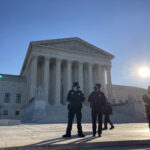 U.S. Supreme Court: The 1st U.S. Circuit Court of Appeals has upheld a ruling that in nearly half of U.S. states halted President Donald Trump’s executive order to create a federal list of eligible voters and limit delivery of mail ballots only to people on that list. The ruling rejected the Trump administration’s effort to move forward with the mail-in voting restrictions in 23 U.S. states that sued ahead of November’s midterm elections. Trump issued an executive order in March for the director of U.S. Citizenship and Immigration Services and the commissioner of the Social Security Administration to create a “state citizenship list” of eligible voters. It also ordered the U.S. Postal Service to deliver mail ballots only to people on that list. While Trump touted the proposed changes as safeguards to keep non-U.S. citizens from voting, state election officials argued they were ripe for abuse and could cause chaos. Democratic officials in 23 states and the District of Columbia challenged Trump’s order in a lawsuit filed in U.S. District Court in Boston. They argued that Trump’s order was unconstitutional because the states and Congress, not the president, have the authority to set election rules. U.S. District Court Judge Indira Talwani, who was nominated by Democratic President Barack Obama, agreed and halted Trump’s order from being implemented for the Nov. 3 elections — but only in the states that have sued. On July 27, the Administration asked the U.S. Supreme Court to allow it to fully implement an executive order signed by Trump that seeks to impose additional restrictions on mail-in voting. U.S. Solicitor General D. John Sauer called an order by a federal judge in Massachusetts that paused portions of the order in 23 states and the District of Columbia “extraordinary,” and he argued that it “flouts settled” doctrines governing when courts can weigh in on a dispute. Sauer also asked the court to issue an immediate administrative stay – an order that temporarily puts the lower court’s order on hold while the justices consider the government’s request. A dozen Republican-led states joined the Supreme Court fight asking the justices to fully enforce an executive order. Republican states filed an emergency application at the Supreme Court July 29 seeking to block the lower court ruling, arguing states have a concrete interest in ensuring the mail-in ballots cast by their voters are securely delivered and counted. “Allowing the federal government to promulgate final rules advancing election integrity reforms enhances the ability of states to ensure the security of mail voting within their jurisdictions,” the Republican states, led by Missouri, wrote. “And state defendants cannot themselves implement some of these commonsense proposed reforms — such as improved USPS delivery systems for election mail.”
 Federal Litigation: A D.C. Circuit panel rejected an effort by Democrats to block President Donald Trump’s executive order seeking to reshape the nation’s election system by creating a national list of eligible voters and limiting mail-in voting. The three-judge panel upheld U.S. District Judge Carl Nichols’ May 28 decision denying a preliminary injunction after determining the Democratic National Committee and congressional leaders failed to show any imminent or irreparable harm, as neither the Department of Homeland Security or the U.S. Postal Service had yet acted. U.S. Circuit Judges Patricia Millett, Robert Wilkins and Gregory Katsas — two Barack Obama appointees and a Trump appointee, respectively — wrote in a per curiam order that while there may be a “number of serious questions concerning the lawfulness of proposed actions if implemented,” the court cannot rule until those actions occur. “In addition, the executive order, which is itself not self-executing, directs the agencies to act only to ‘the extent feasible and consistent with applicable law, including but not limited to the Privacy Act of 1974,’ and so requires compliance with the very legal limitations about which plaintiffs are concerned,” the panel wrote. “If the defendant agencies take steps to implement the executive order in a manner that violates federal law or the Constitution, plaintiffs can promptly seek relief, which the district court and this court can decide in as expeditious a manner as circumstances require.”
Over two dozen states took on the Department of Homeland Security and FEMA, filing suit over new election and immigration requirements to receive grants from the federal government. DHS and FEMA violated the Administrative Procedure Act and the spending clause in the U.S. Constitution, the states argued, by imposing new election- and immigration-related requirements to receive billions in anti-terrorism and emergency response funds. The agencies are attempting to leverage the funds to “coerce” states into adopting the Trump administration’s preferred policies, the states said in their suit. Twenty-five states — including California, Colorado, Arizona and Washington — and the District of Columbia filed suit in Rhode Island, claiming the change in requirements was retaliation after FEMA and DHS were unsuccessful in cutting federal funding from states they felt opposed the administration’s immigration agenda in a prior legal case. The new election requirements are unlawful, “arbitrary and capricious” and ignore investments states have already made in election infrastructure, the plaintiffs said, adding states cannot comply with vague election guidelines DHS has not yet adopted. “The election conditions impose conditions unrelated to the federal funding they encumber, requiring states to comply with specific policies regarding voter eligibility and vote tabulation as a condition for obtaining millions of dollars in funding to prevent and respond to terrorist attacks,” the plaintiffs said in their suit.
 Arizona: Maricopa County Superior Court Adele Ponce rejected a legal challenge to Proposition 144, a constitutional amendment Republican lawmakers put on the November ballot. The measure would: Require all voters, including those voting by mail, to present identification before casting a ballot; Enshrine in the Arizona Constitution that only U.S. citizens may vote, a requirement already established in state law; Restrict foreign nationals from spending money to influence Arizona elections; Allow ballots to be counted at individual polling places rather than transported to centralized tabulation centers; and Affirm lawmakers’ authority to pass future election laws aimed at ensuring timely, accurate and secure elections.T empe City Councilman Randy Keating argued the proposal violates the Arizona Constitution because it combines unrelated issues into a single ballot measure, preventing voters from considering each proposal individually. He pointed to court precedents requiring constitutional amendments to be “sufficiently related to a common purpose or principle” to form “a consistent and workable whole.” But Ponce concluded that the measures are “topically related” and “sufficiently interrelated.” “Each aims to improve election integrity,” the judge said. “The fact that the proposed amendment’s provisions address different aspects of election security does not prevent them from being topically related.” An appeal to the Arizona Supreme Court already has been filed.
 California: Californians for Voter ID, Yes on 39 and an Orange County voter filed suit July 27 against California’s secretary of state and attorney general over a change to the wording of a ballot initiative that will be decided in November’s election. Proposition 39 seeks to impose identification requirements for Golden State voters. If approved, voters would have to show government-issued ID at the polls, or provide the last four digits of a government-issued ID number when voting by mail. Additionally, California would have to provide voter ID cards when requested, and elections officials would have annual reporting requirements, showing the percentage of each county’s voters whose citizenship they’ve verified. No ID is currently required at the state’s polls. The plaintiffs filed suit in Sacramento County Superior Court over a change Attorney General Rob Bonta’s office made to the measure’s title and summary. Initially, it stated the proposition “Establishes additional voter identification and citizenship verification requirements.” Bonta’s office changed it to: “Prohibits citizens from voting unless they present government-issued identification.” “That statement is not a true and impartial statement of the measure’s purpose,” the plaintiffs write in their complaint. The plaintiffs are asking a judge to require the state to amend or strike the challenged language and have the secretary of state include the new language in the voter information guide. Alternatively, they want the phrase “prohibits citizens from voting” removed. They also want the suit resolved quickly, as election deadlines loom.
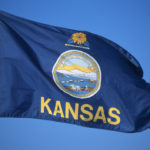 Kansas: On the eve of the deadline to request a mail-in ballot for the August 4 primary, a decision handed down from the Kansas Court of Appeals reinstates the three-day grace period for mail-in ballot returns. The appeals court denied the secretary of state’s request to keep legislation in place that overturned the allowance of the three-day grace period. On July 16, a Douglas County court blocked Senate Bill 4, the law to end the mail-in-ballot grace period. That law, passed in the 2025 legislative session, was scheduled to go into effect on Jan. 1, but there hasn’t been a major statewide election in the state this year ahead of the Aug. 4 primary. Secretary of State Scott Schwab, also a Republican gubernatorial candidate, sought to appeal the court’s reversal, contending that his office “conducted his campaign throughout 2026 to educate voters about the elimination of the previous three-day window.” “[Schwab] argues that the district court’s temporary injunction will confuse voters about the correct deadline and asks this court to enter the fray to clarify that issue,” the Kansas Court of Appeals summarized in its order that denied the appeal. “He also notes that the advance-voting ballots that were mailed to voters earlier this month state that those ballots must be received by Election Day (not within a window of three days after Election Day). He argues that the district court’s temporary injunction will confuse voters about the correct deadline and asks this court to enter the fray to clarify that issue.” The opposition to the secretary of state’s appeal to uphold Senate Bill 4 points to the decision from the Douglas County District Court that the change to eliminate the three-day grace period for mail-in ballots “likely violates the Kansas Constitution protections relating to equal protection of the law, due process and voting,” the court of appeals recalled. “The plaintiffs also note that an emergency stay of the temporary injunction would have the effect of potentially rejecting advance-voting ballots that would otherwise be counted if the injunction remains in effect,” the appeals court said.
 Kentucky: District Judge Claria Horn Boom dismissed a case from the U.S. Department of Justice against Kentucky election officials that sought to gain access to voter registration data, including sensitive information such as driver’s license and Social Security numbers. Horn Boom cited a recent ruling regarding Michigan voter data from the 6th Circuit Court of Appeals. The DOJ later asked the 6th Circuit to rehear the Michigan case. Under the second Trump administration, the DOJ sued numerous states, including Kentucky, for access to sensitive voter data arguing it was entitled to the information under the the Civil Rights Act of 1960. With the precedent from the appeals court, Boom wrote that Kentucky’s voter registration list “is not a record or paper subject to Title III of the Civil Rights Act.” She was appointed to the bench by Trump during his first term. Kentucky Secretary of State Michael Adams, a Republican, and members of the Kentucky State Board of Elections were named as defendants in the lawsuit, which was filed in February in the U.S. District Court of Eastern Kentucky. “We have won our case in federal court on protecting voter privacy,” Adams said on X. “Kentucky’s elections are secure, and so is your personal information.”
 New Jersey: U.S. District Court Judge Zahid Quraishi dismissed a Trump administration suit seeking New Jersey voters’ addresses, driver’s license numbers, birth dates, partial Social Security numbers, and a host of other private data. Quraishi said a requirement in federal law that mandates election officials turn over some types of records to the federal Election Assistance Commission upon request does not extend to New Jersey’s digital voter registration system. New Jersey’s computerized statewide voter list “is not a record or paper that the state must produce to the United States,” he wrote in a 17-page ruling. Quraishi’s ruling comes about a week after Gov. Mikie Sherrill announced that about 6,600 individuals who marked themselves as noncitizens had been registered to vote between June 2023 and June 2024, and approximately 400 of them went on to cast ballots. The news resulted in a fresh round of voter fraud complaints from Republicans in New Jersey and nationwide. The federal government this week argued to Quraishi that the revelation bolstered its claims in the lawsuit, which it filed back in February. Quraishi acknowledged that argument but dismissed it in a footnote as irrelevant to the case. “Whether DOJ is acting in good faith is not relevant to this court’s analysis and has no bearing on whether plaintiff is entitled to the information it seeks,” he wrote. Quraishi, a Biden appointee, dismissed the case with prejudice, which bars the administration from refiling, though it can still appeal his ruling. “We disagree with the court’s decision and will appeal,” a Department of Justice spokesperson said in an unsigned statement.
 North Carolina: Former New Hanover County elections director DeNay Harris is asking a judge to overturn her termination. Harris filed a petition for judicial review July 10 in Wake County Superior Court against the New Hanover County Board of Elections and the state board, arguing her firing was retaliatory and violated her rights under the North Carolina Constitution. She is seeking reinstatement to her old position, back pay and benefits, damages exceeding $25,000, attorneys’ fees and other relief. “The New Hanover County Board of Elections determined that it was preferable to ignore North Carolina law,” the petition reads. “The actions and omissions of the New Hanover County Board of Elections and North Carolina State Board of Elections deprived Ms. Harris of her constitutional rights by terminating her employment.” JHarris was unanimously hired by the county elections board Jan. 13 and started Feb. 3. According to the petition, on March 3 — the day of the primary election — Harris emailed the board about what she described as unauthorized access to ballots and election equipment. The next day, County Manager Chris Coudriet pushed back in an email Harris characterizes as a threat to withhold county resources. The county elections board filed a petition for her removal March 24. State elections Executive Director Sam Hayes terminated Harris on May 20, and the decision became final June 9.
 Tennessee: A three-judge federal panel has allowed Tennessee to use a new congressional map that splits apart a majority-Black district in Memphis. The panel declined to issue a preliminary injunction against the new districts, paving the way for them to be used in the Aug. 6 primary elections. Tennessee had revised its congressional districts in May, shortly after a U.S. Supreme Court ruling weakened federal Voting Rights Act protections for minorities. Opponents of Tennessee’s new congressional districts had argued in court that Republican lawmakers who passed the plan were motivated at least partly by racial discrimination, in violation of the U.S. Constitution. Republicans have insisted they were motivated only by partisan politics, seeking to win the lone Democratic-held seat among the state’s nine districts. Legislatures are free to draw partisan districts under a 2019 Supreme Court ruling. The federal judges — two Trump appointees and one appointee of former President Barack Obama — wrote in their opinion that the lawsuit is unlikely to succeed because the plaintiffs “lack any direct evidence of racial motivation.” “The road to a reliably 9-0 map runs through Memphis,” the ruling states. “Thus, political motivations readily explain the map’s dilutive effects.”
 Wisconsin: Dane County Judge David Conway rejected a request from Democratic voters to allow people to “spoil” and re-cast their absentee ballots for any reason. Under state law, voters can spoil ballots that are damaged or if they believe they made a mistake in filling out the ballot. Earlier this month, the Wisconsin Elections Commission voted 4-2 to publish guidance stating that the process wasn’t available to people who simply wished to change their vote. The voters argued the guidance should be thrown out to accommodate people who may have already cast a vote in this year’s August primaries before their preferred candidate dropped out. The ballot for the Democratic primary for governor includes two candidates, Lt. Gov. Sara Rodriguez and former Wisconsin Economic Development Corporation CEO Missy Hughes, whose names appear even though both have suspended their campaigns. In a ruling, Conway rejected the injunction request from the voters, finding that “the unambiguous language of the statute does not allow a voter to spoil an absentee ballot after it is returned.”
Opinions This Week
National Opinions: SAVE Act, II, III, IV, V | Election reform | Election administration | Midterms | Voter challenges | Voter fraud | Election security | Federal interference |
Alaska: Election administration |
Arizona: Election administration |
Connecticut: Democracy funds | Election integrity |
Florida: Vote by mail |
Georgia: Secretary of state |
Illinois: Election fraud |
Iowa: Voter confidence |
Massachusetts: Jungle primary |
Michigan: Federal interference | Democracy |
Minnesota: Election fraud |
Nevada: Voter fraud | SAVE Act |
New Hampshire: Voter confidence | Primaries |
New Jersey: Voter records |
North Carolina: State Board of Elections | Election integrity | Election administration |
Oklahoma: Election security |
Oregon: Election security |
Virginia: Early voting | Election integrity |
Wisconsin: Absentee ballots |
Upcoming Events
A Look Back at ESRA 2026: Each year for the last decade, election officials and researchers from across the country gather for the Election Sciences, Reform, and Administration (ESRA) conference. ESRA gives participants an opportunity to engage with cutting-edge research into election administration and discuss challenges (and possible solutions!) that state and local election officials face every day. The 10th Annual ESRA conference was held this June on the campus of Arizona State University in Phoenix, Arizona. Participants from academia, state and local election government, nonprofits, and research institutes came to Maricopa County to discuss election administration across the US. As with every year, many great ideas were shared within the walls of the conference. Join Ready for Tuesday for A Look Back at ESRA 2026. We’ll be talking to Bill Gates – Executive Director of the ASU Mechanics of Democracy Laboratory (MODL), former Maricopa County Supervisor, and ESRA 2026 host – as well as other participants who shared work at the conference in June. We’ll also share more about the conference and how you can stay up-to-date about ESRA 2027. When: July 30, 1pm Eastern. Where: Online.
Louisiana v. Callais: How We Got Here, What It Means, and Where We Go Next: On April 29, 2026, the U.S. Supreme Court handed down its decision in Louisiana v. Callais, holding that Louisiana’s decision to add a majority-minority district was an unconstitutional racial gerrymander. But the opinion’s “antiseptic” reasoning and holding, in the words of Justice Kagan, belie a larger reality: Callais is the last of three decisions through which the Roberts Court has, in less than 15 years, effectively eviscerated one of our nation’s most consequential laws—the Voting Rights Act of 1965. As Justice Kagan explained in her dissent, that law was “born of the literal blood of Union soldiers and civil rights marchers,” and brought the country “closer to fulfilling the ideals of democracy and racial equality.” And yet the Supreme Court has now overridden Congress’s considered and consistently reiterated view that the law was a necessary corrective to decades of attempts by States to disenfranchise minority populations. Please join the Washington DC and New York ACS Lawyer Chapters for a timely discussion of this decision by voting rights experts. Come learn about the origins of the law; what Callais and other decisions have done for it; what Callais means; what comes next; and, most importantly, what you can do to respond. Please RSVP by Friday, July 31. When: August 3, 12:30pm Eastern. Where: Online
The Next Generation of Voters: Why does America have the oldest politicians? It’s not by chance, but by design. Join New America’s Political Reform Program and New Voters to understand the systems that reinforce America’s gerontocracy, the structural reforms that could change them, and what young voters actually want out of US politics. We’ll hear from Oscar Pocasangre and Dustin Wahl, authors of The Age Divide, on why youth is underrepresented in politics. In their report, they find that it’s not because youth are apathetic or poor leaders, but that barriers to entry are systemic. Parties don’t invest in young politicians and young people are blocked from organizing into a different party due to the two-party doom loop. Their proposed solutions: proportional representation and a multi-party system. Despite these systemic barriers, young people are still finding ways to be involved in politics. In this discussion, we’ll also hear from New Voters high school leaders about what frustrates and excites them about American politics and how they’re already making change in their communities. And we’ll get their honest reactions—would structural change actually shift how their generation engages? When: August 3, 6pm Eastern. Where: Online
Oregon Association of County Clerks: The Oregon Association of County Clerks will hold its annual conference from August 10-13 in Burns.
National Poll Worker Recruitment Day: National Poll Worker Recruitment Day and Help America Vote Day were established by the U.S. Election Assistance Commission (EAC) to inspire civic engagement and encourage people to sign up to become a poll worker. The EAC will recognize August 11, 2026, as National Poll Worker Recruitment Day. These efforts aim to address the continued need for poll workers to sign up to Help America Vote and strengthen our democracy. When: August 11.
WMCA 46th Annual Conference 2026: The Wisconsin Municipal Clerks Association will hold its annual conference from August 18-21 in Green Bay.
Election Center 41st Annual Conference: The National Association of Election Officials (Election Center) will hold its 41st Annual Conference in Kansas City, Missouri from August 19 to 21. CERA classes will be offered August 22 and 23. When: August 19 to 21. Where: Kansas City, Missouri.
UAC Annual Convention: The Utah Association of Counties will hold its annual convention from September 8-10.
National Voter Registration Day: First observed in 2012, over 5 million voters have registered to vote on National Voter Registration Day to date. As many as 1 in 5 eligible Americans are not registered to vote. Help us change that by joining the country’s largest single-day voter registration drive and organizing a registration event in your community! When: September 15.
2026 WACO Conference: The Wyoming Association of County Officers-County Clerks will hold its annual conference from September 22-24 in Laramie.
2026 MACO Annual Conference: The Montana Association of Counties will hold its annual conference from September 27-30 in Helena.
National Voter Education Week: Voters should have the information they need to cast their ballots with confidence. That’s where National Voter Education Week comes in. Help voters find their polling location, understand their ballot, and make a plan to vote by joining our week-long campaign. When: October 5-9.
Election Hero Day: Election Hero Day is a nonpartisan, national celebration recognizing the tremendous contributions that election officials, their staff, and poll workers make to ensure a safe, secure voting experience for all Americans. Taking place on October 20, 2026, nonprofits, business leaders, brands, public officials, and more will unite to honor the election heroes in our communities. With your support, Election Hero Day will help boost election official morale ahead of Election Day and send a clear message to the public that we support our friends and neighbors who play such a vital role in preserving our democracy. When: October 20.
Vote Early Day: When Americans vote early, they ensure last-minute problems, long lines at the polls, confusing election laws, or voter disinformation cannot prevent us from casting our ballot. Vote Early Day is a tentpole moment for partners nationwide to engage with voters and empower them with the tools to cast their ballots early. When: October 27.
Job Postings This Week
electionlineWeekly publishes election administration job postings each week as a free service to our readers. To have your job listed in the newsletter, please send a copy of the job description, including a web link to mmoretti@electionline.org. Job postings must be received by 5pm on Wednesday in order to appear in the Thursday newsletter. Listings will run for three weeks or till the deadline listed in the posting.
Account Executive, VotingWorks– We are looking for a trusted sales leader who understands that election administrators don’t buy voting machines, they buy trust, both in the equipment and in the vendor. All 83 of Michigan’s counties will soon open at once, and we are in the running for the state RFP enabling us to sell our voting machines. Incumbents will have to re-earn their contracts, and we’ll be competing on equal footing for the first time. This opportunity is time bound. Trust matters deeply in this market. Your job is to build relationships and earn credibility quickly with state and local election officials. You will own the full Michigan territory. You’re responsible for the entire sales process: building pipeline, running demos, navigating procurement, and closing deals. We want sustainable sales contracts that are technically sound, politically supported, and set up for a clean handoff to Customer Success. For your first demos, you’ll be paired with our Executive Director and our Head of Customer Success to learn the messaging and the product. Once you take on demos on your own, you should still know when to bring in executive support and when to handle things yourself. This is a competitive market with a real window of opportunity. If you want to sell something that actually matters to Democracy, and you’re energized by moving fast when the timing is right, we’d like to meet you. Application: For the complete job listing and to apply, click here.
Accounts Payable & Payroll Specialist, King County, Washington– This is an amazing opportunity to be engaged in the election process! The Department of Elections is searching for energetic and resourceful professionals who like to “get stuff done”. The Accounts Payable & Payroll Specialist position in the Elections Department combines an exciting, fast paced environment with the opportunity to cultivate talents and apply a variety of skills. The ideal candidate will thrive in an innovative and fast-paced environment and will not hesitate to roll up both sleeves, work hard, have fun, and get the job done. We are seeking a detail-oriented and collaborative professional to support payroll, finance, and human resources operations. The Accounts Payable & Payroll Specialist supports the department’s mission by processing vendor payments and payroll, maintaining accurate financial and employee records, supporting audits and reporting, and contributing to continuous improvement initiatives. Work is performed under limited supervision and requires independent judgment. This position reports directly to the Administrative Services Manager and works closely with both the Finance Administrator I and the Human Resource Analyst. The ideal candidate thrives in a fast-paced environment, values accuracy and confidentiality, and enjoys delivering exceptional customer service to employees and partners throughout the organization. Salary: $32.44 – $41.25 Hourly. Application: For the complete job listing and to apply, click here.
Administrative Specialist (Elections Specialist–Russian), King County, Washington– This is an amazing opportunity to be engaged in the election process! The Department of Elections is searching for energetic and resourceful professionals who like to “get stuff done”. The Administrative Specialist II positions in the Voter Services Department combines an exciting, fast-paced environment with the opportunity to cultivate talents and apply a variety of skills. The ideal candidate will have a desire to help ensure the democratic process through public service. They will thrive in an innovative environment and will not hesitate to roll up both sleeves, work hard, have fun, and get the job done. King County Elections (KCE) manages voter registrations and elections for more than 1.4 million voters in King County, one of the largest vote-by-mail counties in the United States. KCE’s mission is to conduct accessible, secure, and accurate elections. As a leader in providing inclusive elections, KCE is focused on core values of accuracy, equity, integrity, service, teamwork, and transparency. The team at KCE is committed to ensuring all King County voters can get registered, cast their ballot, and make their voices heard. Salary: $29.46 – $37.47 Hourly. Application: For the complete job listing and to apply, click here.
County & Customer Support Manager, Oregon Secretary of State’s Office– In this role you will serve as a key member of the Elections Division management team. You will oversee all aspects of the Division’s work supporting Oregon’s 36 county elections offices, ensuring counties receive consistent, accurate, and timely guidance related to voter registration, election management, election management systems, interpretation of statutes and rules, and implementation of statewide procedures. You will also oversee the Division’s voter service operations. The duties of this position are accomplished by, but not limited to: Managing a team of people with diverse skillsets and levels of experience. Coaching and providing feedback on performance and work products. Providing guidance about policy implementation, procedures, and processes. Interpreting and applying state and federal laws, administrative rules, policies, and procedures. Providing oversight, guidance, and subject matter expertise on a variety of election technology solutions including voting systems, ballot sorting equipment, voter registration technology, and election management systems. Collaborating with counties and internal partners to evaluate system, operational, and process needs. Providing day to day support to counties and assist them in responding to public inquiries and resolving complex voter registration or election management issues. Overseeing a robust public facing customer support program that provides Oregonians with timely, accurate, and clear information on voter registration and election processes. Overseeing and managing contracts and vendor performance. Salary: $7,216 – $11,720. Deadline: August 9. Application: For the complete job listing and to apply, click here.
Customer Support Center Consultant Level 1, Hart InterCivic– The Customer Support Center Consultant Level 1 (CSC 1) provides Tier 1–2 support for Hart InterCivic products, helping customers troubleshoot issues and keep election operations running smoothly. The CSC I’s primary responsibilities are to: Resolve and route customer issues via phone, email, and remote tools; Document cases in the CRM and communicate status through resolution; and Use product documentation to deliver clear, customer-friendly solutions. This role researches and resolves issues, supports hardware/software configuration and deployment, and provides training or on-site support as needed. It also documents processes and partners with other departments to improve service delivery. This position follows the Proprietary Information and Intellectual Property Agreement and is responsible for protecting company information, including when working off-site or outside normal hours. Application: For the complete job listing and to apply, click here.
Cybersecurity Assessor (Election Security), Apollo Information Systems: The Technical Assessor conducts in-depth technical and program-level cybersecurity assessments of client environments, identifying risk, measuring control maturity, and producing clear, actionable guidance that advances each client’s security posture. This is an experienced assessor role: the individual independently leads assessments end to end, evaluates complex environments against multiple frameworks, and is a trusted voice in front of both technical teams and executives. The assessor also helps mature Apollo’s assessment method. Salary: $80K – $120K. Application: For the complete job listing and to apply, click here.
Deputy Director, New Hanover County, North Carolina– Are you an experienced elections or public administration professional with a strong commitment to public service? New Hanover County is seeking an Elections Deputy Director to support the Elections Director in overseeing daily operations and ensuring the successful delivery of election services. This role provides staff supervision and assists with procedural and technical improvements, voter education programs, public communications, in-person voting operations, Board of Elections meeting preparation, and election official training. The Deputy Director ensures continuity of operations in the Director’s absence and directly supervises teams responsible for voter registration, outreach, and logistics, maintaining a high level of customer service during large-scale election events and periods of increased demand. Salary: $62,126.00 to $83,870.50. Application: For the complete job listing and to apply, click here.
Deputy Elections Administrator, Tarrant County, Texas – The Deputy Elections Administrator is responsible for assisting with and overseeing the daily operations of the Elections Administration Department, including coordination of Voter Registrar duties and all election management activities for Tarrant County. This position provides executive-level operational and tactical leadership and exercises full authority in the absence of the Elections Administrator. Responsibilities include managing personnel, directing election logistics, ensuring legal compliance, overseeing technology and equipment deployment, coordinating poll worker operations, and maintaining the integrity and security of all election processes. Application: For the complete job listing and to apply, click here.
Director of Technology and Security Initiatives, National Association of Secretaries of State– Role Includes: Lead NASS Technology & Security Initiatives; Lead NASS Tech Talk Group for IT Leaders in Secretary of State Offices; Federal and Stakeholder Affairs; Member Office Assistance; and NASS Internal Technology and Security Assistance This position is hybrid – working from home and the NASS DC office with about 1-3 weeks of travel per year. Fully remote applicants may be considered. Salary: $90,000-$110,000. Application: For the complete job listing and to apply, click here.
Elections Program Manager, Oregon Secretary of State’s Office– In this role you will serve as a key member of the Elections Division management team. You will oversee all aspects of the Division’s work related to voters’ pamphlet, translations, candidacy filing, initiative, referendum, referral, and recall programs. The duties of this position are accomplished by, but not limited to: Managing a team of people with diverse skillsets and levels of experience. Coaching and providing feedback on performance and work products. Providing guidance about policy implementation, procedures, and processes. Interpreting and applying state and federal laws, administrative rules, policies, and procedures. Providing oversight, guidance, and subject matter expertise on a variety of programs including candidacy filing and eligibility; voters’ pamphlet submissions and translations; and initiative, referendum, and recall petition filings and verification. Collaborating with internal partners to evaluate system, operational, and process needs. Overseeing program staff that provide day-to-day support to filers and local election administrators and assisting them in responding to and resolving complex procedural and legally-sensitive issues. Overseeing and managing contracts and vendor performance. Salary: $7,216 – $11,720. Deadline: August 9. Application: For the complete job listing and to apply, click here.
Executive Director, Ranked Choice Voting Resource Center– The Ranked Choice Voting Resource Center is a national, nonpartisan 501(c)(3) organization dedicated to making ranked choice voting elections successful. We provide research, education, technical tools, and practical support to election administrators, policymakers, advocates, media, and the public. We currently support our partners across the country with a remote, distributed team of seven full-time staff members and a $1M annual budget. The incoming Executive Director will lead the Center’s next phase of growth — expanding our team and revenue base while maintaining the credible, high-caliber service that has earned the trust of partners nationwide. In the process, you’ll help shape the delivery and public perception of election innovation in the United States. Salary: $140,000 – $175,000. Application: For the complete job listing and to apply, click here.
GIS Specialist, Palm Beach County, Florida– Help power accurate, well-run elections through smart mapping and rock-solid data. As a GIS Specialist II with the Palm Beach County Supervisor of Elections, you’ll own core geospatial datasets, turn complex information into clear maps and insights, and improve the workflows teams rely on to plan and execute election operations. Your work helps ensure precinct, polling place, and district data is accurate and easy to use—supporting operational readiness, transparency, and timely decision-making. You’ll maintain and enhance GIS databases, produce print and web-ready map products, perform quality control and spatial analysis, and keep GIS synchronized with the Voter Registration System. You’ll collaborate with both technical and non-technical teams, document standards and changes, and provide training and troubleshooting support. Salary: $72,800 to $87,000. Application: For the complete job listing and to apply, click here.
IT Assistant Manager, Palm Beach County, Florida–The Assistant IT Manager plays a vital and supportive role in ensuring the smooth operation of the IT department, aligning both the technical infrastructure and the team with the organization’s goals. This position involves collaborating closely with the Election Technology Director to oversee the implementation of technology solutions that meet the organization’s needs. The Assistant IT Manager helps maintain an efficient and effective IT environment. The Palm Beach County Supervisor of Elections Office is committed to hiring talented individuals with diverse experiences that will enhance the services we provide to the residents of Palm Beach County. We are always looking for dedicated individuals who do all things with Integrity and Accountability, who excel in Customer Service, and believe in Transparent, Secure Democracy. At the Supervisor of Elections Office, we strive to help our employees find passion and purpose. Join us in being the best place to vote. Salary: $85000 to $125000. Application: For the complete job listing and to apply, click here.
Registration Specialist/Senior Registration Specialist, Arapahoe County, Colorado – The Registration Specialist is an entry level position responsible for supporting the daily operations of the Voter Services Team in the Arapahoe County Clerk and Recorder’s Office. This position is responsible for providing excellent customer service while assisting with voter registration processing and upkeep of database integrity. The Registration Specialist must be able to complete assignments of basic scope or complexity with limited assistance. Salary: $19.62 – $35.61. Deadline: August 10. Application: For the complete job listing and to apply, click here.
Senior Elections Specialist (Logistics), New Hanover County, North Carolina– New Hanover County is seeking a Senior Elections Specialist (Logistics). This role is responsible for executing key aspects of the elections administration process, including voting site management, supply management and distribution, and for managing multiple large projects. The mission of the New Hanover County Board of Elections is to provide the highest level of professional standards to ensure accurate, honest, and fair elections through accountability and integrity and to provide all citizens our services in the most efficient, effective, and timely manner. Serving under the authority of the five-member Board of Elections, this office is responsible for the administration of elections. Responsibilities of the office staff include canvassing of returns, certification of abstracts and certificates for elected offices, administrating candidate filing, campaign finance, voter registration, programming, and maintenance of voting equipment among other critical tasks as appropriately delegated by the Board to the Director under N.C. General Statutes Chapter 163, or by the rules, orders, and directives of the State Board of Elections. The New Hanover County Board of Elections is a fast-paced environment comprised of a team of dedicated professionals who are committed to ensuring safe and fair elections for the citizens of New Hanover County in a non-partisan manner. It is expected that all members of the Board of Elections staff have strong technical skills, an eye for detail, a willingness to ask questions, the ability to multitask and shift priorities seamlessly, and be able to meet the physical demands of their assigned responsibilities. Salary: $46,360.00 – $78,811. Deadline: August 5. Application: For the complete job listing and to apply, click here.
Senior Policy Director & Counsel, Common Cause–We are looking for a Senior Policy Director & Counsel, Voting & Fair Representation, to lead Common Cause’s work to protect voting rights, ensure free and fair elections, and strengthen representative democracy. This leader will set the vision for our voting and fair representation policy pillar, lead our national Election Protection program, and bring together policy, litigation, legislative advocacy, organizing, and communications strategies to meet the challenges facing our democracy. The Senior Policy Director will lead a growing team of experts and work across Common Cause’s national and 22 state teams and coalition partnerships to turn ideas into action. This role requires a strategic leader who brings deep expertise in voting and fair representation, strong judgment in navigating complex political and legal landscapes, and the ability to build programmatic strategies that deliver impact. This is a full-time role reporting to the Vice President, Policy; this role is based in Washington, DC with an expectation to come into our office at least two days per week and travel at least six times per year. We hope our new Senior Policy Director and Counsel, Voting & Fair Representation will start in September. Salary: $132,613 – $148,526 a year. Application: For the complete listing and to apply, click here.
Wisconsin State Lead, Vet the Vote– We the Veterans and Military Families seeks a highly organized, mission-driven State Lead who is passionate about positive patriotism, public service, and our mission to empower the veteran and military family community to strengthen America. The ideal candidate is a strong communicator and relationship-builder who can manage multiple projects, coordinate with state partners and election officials, and support program execution with attention to detail and follow-through. This role is well-suited for someone who thrives in a fast-paced, collaborative environment and is motivated by nonpartisan, values-driven work. Candidates with experience in election administration and/or organizations supporting the veteran and military family member community are strongly encouraged to apply. Salary: $5,000/month. Application: For the complete job listing and to apply, click here.
Marketplace
electionline provides no guarantees as to the quality of the items and the accuracy of the information provided about the items in the Marketplace. Ads are provided directly by sellers and are not verified by electionline. If you have an ad for Marketplace, please email it to: mmoretti@electionline.org