In Focus This Week
Introducing the new Election Resource Hub
Connecting research with practice
By Claire DeSoi, communications manager
MIT Election Lab
Every day, new research, tools, and solutions for running elections are developed, tested, and put into practice across the country. How is any one election official supposed to keep up, let alone separate rigorous evidence from conjecture?
Allow us to introduce the Election Resource Hub as an answer to this question.
 From our first day, the MIT Election Data + Science Lab has been committed to advancing research in the field of election science, grounding our work in data and the scientific method. Alongside our academic work, we’ve also dedicated ourselves to building relationships with election officials and other practitioners, bridging the gaps between the bleeding edge of scholarly research and the practical lessons learned on the ground. As we’ve worked to connect research with practice—and vice versa—we’ve learned two things. The science of running elections is advancing faster than ever, and little of it reaches the people who need it most. The research exists; it’s just siloed, inaccessible, or just plain hard to find.
The increasing public scrutiny of the electoral process has only further highlighted the need for broader access to unbiased, empirical research on election administration. Yet with new research, tools, and solutions being developed, tested, and put into practice across the country every day, how can any one person be expected to keep track of it all, let alone build a larger understanding of the relevant research?
What is the Election Resource Hub?
We developed the Election Resource Hub with the idea of creating a one-stop shop of practical guides and resources on election administration. The Hub connects researchers, policymakers, and election officials directly to evidence-based policy and practice recommendations that have proven effective, either through rigorous academic study or real-world implementation. We’ve built it to be:
- Vetted, giving you access to a comprehensive library of empirical research and proven tools, backed by real-world application;
- Nonpartisan and grounded in data-driven analysis, with a focus on improving the democratic process for everyone; and,
- Topical, addressing important, timely issues for election administrators across the country.
To create this kind of comprehensive website, we worked with partners across the country, creating a national network of practitioners and scholars, all of whom are dedicated to developing and sharing research and empirically-based resources on elections. Along the way, we’ve gotten input from local election officials, academics, and other practitioners, who helped us shape the Hub into something useful and easy to use.
What’s on the website?
The Election Resource Hub features two core sections: election guides and a resource library.
The election guides cover key topics in election administration. The topic areas we’ve chosen were informed by what we learned in an earlier project mapping the current state of knowledge and practice, which identified seven key issue areas that are central to the convenience, security, and accuracy of U.S. elections:
- Voting in person
- Voting by mail
- Voter registration accuracy and security
- Poll worker and election official recruitment, training, and retention
- Usability and accessibility
- Audits and validating election results
- Communicating with voters to build trust in the system
For instance, an election official looking to reduce Election Day check-in wait times can find resources on the Hub that bring together academic research on polling place lines, practitioner-friendly explanations of what that research means, and tools or guidance for matching polling place resources to expected voter volume.
We launched the Hub website in July with two guides—one on voter trust, the other on in-person voting—and have already started work on the other five. Each guide has been (or will be) developed in collaboration with subject matter experts; they’re designed to answer common questions, summarize recent scientific findings, and provide examples of real-world solutions, bringing the knowledge and tools developed by practitioners and academics together in one place. (For more of an overview of the two guides, take a look at our recent blog about the Hub.)
The resource library also covers all seven topic areas listed above. This library is exactly what it says on the tin: a searchable database with links to hundreds of papers, reports, videos, interactive tools, and more. We’ve curated a unique blend of academic and practice-based resources, making it easier to access a diverse array of approaches to election administration issues and the data that support them. You’re welcome to browse the library in full; however, we’ve also made it possible to filter by topic, resource type, or year, making it easier to drill down into a particular interest area.
How do we choose what to include?
The Hub’s resource library features current research and resources that have been developed within the last few years, as well as foundational resources that remain relevant to the field. This allows you to explore a more comprehensive view of each topic. Both the library and the election guides will continue to be updated as new research emerges.
When we started to develop the Hub and curate its resource library, we also began outlining a set of guidelines to ensure the Hub includes only resources that are:
- accurate,
- relevant,
- nonpartisan, and
- empirically grounded.
These four criteria became the foundation of our editorial guidelines for the site, and will remain the basis on which we evaluate new materials for inclusion in the Hub’s guides or library. Resources must meet all four criteria in order to be considered for inclusion. You can read through our full editorial guidelines on the Hub website, including a more detailed explanation of the criteria and conditions for meeting them. As new research and other relevant materials are released, we will continue to review and update the Hub’s library and the election guides to ensure they remain up-to-date. And, users can sign up for email alerts on specific topics to ensure the newest resources are delivered right to their inbox.
What’s next?
Our team’s first order of business is to continue working with our partners to finish the guides for the five remaining topic areas: voting by mail, voter registration, the election workforce, usability and accessibility, and audits and election validation. Our goal is to have all guides published on the Hub by the end of the year. We’ll also continue to keep our eyes out for new resources and developing research, updating and adding to the Hub to ensure it reflects the current state of research and practice.
You can explore the Hub at electionresourcehub.org. If you have a particular interest in one or more of our seven topic areas, you can also sign up for email updates, which you’ll receive when we add or update relevant resources. Read through the guides today, or bookmark the library for reference later—however you use it, we hope you find the Hub useful in your work! And, if you’re aware of a resource or solution that’s worked and we’ve missed, let us know.
electionline Daily News Email
 What’s the best part of waking up? electionline Daily News in your inbox of course so be sure to sign up for your daily dose.
Each morning you’ll receive the top headlines of the day, plus a listing of states featured in that day’s news round up.
To sign up, simply visit our site and provide us with your email and you’ll begin receiving the news in your inbox each morning.
We Google so you don’t have to!
electionline Merch
 You’ve asked for it, well now you’ve got it! Just in time for all of your holiday gift-giving. We’ve opened up an electionline merch store using Bonfire. Currently we’re offering a couple of different t-shirts, a long-sleeve t-shirt and a hoodie.
Election News This Week
 Federal Update: The Department of Homeland Security’s decision to shift staff to immigration enforcement and combating alleged left-wing extremist groups has left substantial staffing gaps in U.S. counterterrorism and election security operations, according to a report released by Senate Democrats. According to CNN, the Trump administration now says it has a plan to rebuild it — less than 100 days before Election Day and just weeks before ballots begin going out in the mail. A year after forcing out many of its most experienced election-security specialists, a key federal cyber agency is now reassigning remaining staff into new roles. The agency says the new liaisons are expected to “build trusted relationships” with state and local elected officials, according to an internal summary of the administration’s plans obtained by CNN. State officials are pushing back on the Department of Homeland Security’s claims that it found tens of thousands of noncitizens on their voter rolls, asking the department to explain how it arrived at its conclusion. “The American public deserves transparency in how their private information is being used at the federal level,” Nevada Secretary of State Cisco Aguilar, a Democrat, said in an interview. “I don’t believe the federal government is being honest with the American people.” “They’re gathering private information about citizens, but they’re not explaining how they’re doing it, and it may not be accurate. And to classify somebody as not able to exercise their constitutional fundamental rights is a real harm,” Aguilar added. Democratic lawmakers, wary of various potential disruptions to the midterm elections, conducted closed-door tabletop exercises last week that included the possibility of armed federal personnel dispatched near polling places. Sen. Alex Padilla (D-California), who participated in the exercises led by Senate Minority Leader Chuck Schumer, said Democrats are preparing to challenge the administration over any “pretext they would make for this type of deployment — because they would be lies — before those deployments even happen.”
 2026 Elections: Five states – Kansas, Michigan, Missouri, Virginia and Washington – and Guam and the U.S. Virgin Islands held primaries this week.
- On August 1, residents of Guam went to the polls. The Guam Election Commission on Saturday night reviewed election day operations, identifying polling site challenges ranging from signage and accessibility to electioneering complaints, while officials said all precincts opened on time despite early logistical hurdles. Voter turnout in the 2026 primary was among the lowest in Guam election history and the lowest of any gubernatorial election for which data is available, based on Guam Election Commission reports. And there may be a recount coming for one senatorial race.
- Also on August 1, Democrats in the U.S. Virgin Islands headed to the polls for their primary. After heavy early voting, it was a quiet voting day on Saturday. St. Croix’s busiest polling center may have been the D. C. Canegata recreational center, where 525 people had cast ballots by 4 p.m. Voting judge Eurece Hendricks said the overwhelming early voting participation made election workers’ lives easier on Saturday. “We usually have a line outside,” she told the St. Thomas Source.
- Following some last-minute legal back and forth over the state’s 3-day grace period for absentee ballots, primary day in Kansas was relatively smooth sailing with few reported issues. And the general election slate for Kansas secretary of state is now set, after a contested Democratic primary was decided Tuesday night. One-time Kansas House member Jennifer Day (D) will face Scott Morgan of the United Kansas party, center, and Republican Pat Proctor, neither of whom faced a primary opponent.
- It was a relatively smooth and quiet primary day in Michigan. According to Votebeat, despite fears that federal monitors from the U.S. Department of Justice might in some way disrupt Michigan’s primary election, officials from around the state say things went smoothly. “We are proud to be running – in partnership with our 1,600 clerks statewide – yet another safe, secure, and successful day of voting,” said Deputy Secretary Aghogho Edevbie. “I want to make this clear: no matter how you vote, or who you vote for, you can be confident, as always, that your vote will count, and that the election results will reflect the will of the people. We made sure during this election cycle, especially today, that local communities had the tools they needed for this election. Our staff traveled across the state, assisting clerks and making sure things ran smoothly.” Muskegon County Clerk Karen Whitehouse confirmed that additional security measures were put in place for Tuesday’s primary election in response to security concerns following President Donald Trump’s comments last month. While election officials reported a smooth primary election day, Whitehouse said renewed attention on the 2020 case has led to more questions from voters and, in some cases, confrontations involving election workers. “In the last few days, my city clerk has experienced some confrontations out in the community, people saying, ‘Trump said that the election was fraudulent’ and ‘The integrity of the election was questionable.’” Whitehouse said. “Which is a concern because we want to ensure the safety not only of our clerks, but also of our election workers, because this is a very diligent group of individuals who want to do their constitutional duties and serve their community. So it’s disheartening to see people giving out this misinformation and causing them to feel uncomfortable or unsafe.” Oakland County experienced an issue with its results reporting site. “The third-party website we have contracted with to push out election results failed to accept our uploaded data,” Clerk Lisa Brown said. “Our team quickly pivoted and made .pdfs of election results available to the public on the Oakland County Clerk’s website.” In other technical difficulties, the state’s Qualified Voter File system experienced a technical hiccup Tuesday evening, slowing down same-day registration at polling places across the state. And Secretary of State Jocelyn Benson won her Democratic primary for governor.
- Following a relatively high early voting turnout in some places, it was a busy primary day in Missouri. On primary day, some polling places in Jackson County ran out of Democratic ballots. In Morgan County, the clerk’s office had to debunk rumors that polling places had run out of ballots. And voters overwhelmingly voted down Amendment 4, an effort by Republican lawmakers to drastically raise the threshold for passing citizen ballot measures.
- It was a very quiet primary day in Virginia with low turnout reported. Storms did cause some issues in Petersburg and Hopewell. And voters in Alexandria may have done a double-take when they went to the polls and saw the familiar face of longtime News4 reporter Julie Carey checking people in. For more than three decades, Carey covered elections across Northern Virginia, explaining the process to viewers and reporting the results. This Election Day, the recently retired journalist experienced the process from a completely different perspective—as a first-time election officer. Carey shared the experience on social media after the polls closed, explaining that volunteering had long been on her bucket list. “My late Mom was an election chief at her Iowa precinct for many years,” Carey wrote, “and I always wanted to volunteer to honor her memory.” By the end of the day, Carey said she came away with an even greater appreciation for the people who quietly make Election Day happen. “Tonight I have a whole new appreciation for the long days she put in well into her 80s,” she reflected.
- In Washington, voters in Spokane and Stevens counties had options to cast their mail ballots if they were impacted by the devastating wildfires. In Thurston County, ballots were not processed or scanned on election day due to budget cuts. In years past, the Auditor’s Office released preliminary results Tuesday night that included ballots processed that same day. With the new processing schedule, the Auditor’s Office only released preliminary results for ballots counted through Monday on election night. “Due to a significant cut to our full-time election staff, we are unable to adequately staff our two voting centers and maintain ballot processing operations at the same time,” Hall wrote in the email. “Election Day is a strict deadline for voters to register and cast their ballots, which makes supporting our voting centers our top priority that day.”
 Public Opinion: Two recent public opinion polls have found that concerns are running high over the reliability of the 2026 election. According to Gallup, which released their poll information on July 29, ahead of the 2026 midterms, Americans are concerned about election integrity and democratic processes. Their top concerns include political leaders pressuring election officials to change election outcomes (67% are concerned “a great deal” or “a fair amount”), ballots not being properly handled, counted or secured (57%), and voter intimidation near polling places (52%). Even issues that rank lower on the list remain concerns for substantial shares of Americans, including 40% saying they are concerned about being personally confronted, followed or recorded while voting. And according to the Pew Research Center, which released information on August 5, a narrow majority of Americans (55%) are confident that this November’s midterm elections will be conducted fairly and accurately – down from 61% ahead of the 2024 elections, 64% in 2022 and 59% in 2020. But in contrast to those earlier years, Americans’ views don’t differ substantially by party today, even as Republicans and Democrats express different concerns about elections.
 News From NASS: The members of the National Association of Secretaries of State (NASS) have selected the Connecticut Secretary of the State’s Office as the 2026 IDEAS (Innovation, Dedication, Excellence and Achievement in Service) Award recipient for their “Next Gen Elections: College Students Powering the Polls” program. Created in response to growing staffing needs following the expansion of early voting, the program helps strengthen the state’s election workforce by recruiting, training, and placing college students in polling locations across Connecticut. “Next Gen turned a staffing challenge into an opportunity for young people to serve,” said Secretary of State Stephanie Thomas. “Towns gained trained election workers, students gained hands-on experience, and Connecticut built a program that can offer a model for other states. Across our 2024 and 2025 cohorts, 77% of surveyed students said the experience motivated them to vote in every election and become more civically engaged. That means Next Gen is not only helping staff polling locations—it’s helping build a generation that shows up, votes, and stays involved.”
 Sticker News: Congratulations to Naomi Pratt, age 7, who designed the winning entry in the “I Voted” sticker contest in Jackson County, North Carolina. Nearly 40 entries from local K-8 students entered the “I Voted” sticker contest announced by the county Board of Elections in early May. The designs incorporated Jackson County symbols, landmarks, voting centric themes or reflected their perspective of Jackson County’s values. Residents voted to decide who the final winner would be. Lincoln Brooks, age 8, finished second and Miller Solsbee, also 8, finished third. The winners will receive prize packs with gift cards to local businesses and Pratt’s design will be available at voting sites across Jackson County.
Personnel News: Anthony Nicodemo is the new Bergen County, New Jersey superintendent of elections. Frances Lakey has been sworn into the Onslow County, North Carolina board of elections. Democratic Elections Commissioner Dustin Czarny, for the Onondaga County Board of Elections, has formally announced his intention to seek another term. Roxzine Stinson is retiring as Lubbock County, Texas Elections Administrator after 23 years with the office. Kelli Hooper and Andrew Rose were officially sworn as the newest members of the Fayette County, Georgia Board of Elections & Voter Registration. Angie Amaro has retired as Cumberland County, North Carolina elections director effective Aug. 1, a decision that Amaro said she was “forced to make.” Madie-Lynn Bourgeois is the new Marion, Massachusetts town clerk. Bloomington, Illinois Election Commissioner Diana Hauman has resigned. Gerald Poplin has been appointed interim elections director in Anson County, North Carolina.
New Research & Resources
State Voting Policy: The 2020 election was a turning point for American democracy, prompting an unprecedented expansion of mail voting and early voting options, which was quickly followed by false claims of widespread voter fraud and a sustained election denialism movement. It also set off a wave of legislative activity in statehouses across the country, as some states moved to protect elections and expand voter access, while others moved towards restricting access to the ballot and undermining our democracy. This week, the Movement Advancement Project (MAP) released a first-of-its-kind report examining the result of these changes across the states. Using MAP’s Democracy Maps—which track more than 50 voting and election-related laws and policies across all 50 states and D.C.—this report provides a longitudinal analysis of how state election laws have changed since 2021 and offers an effective tool for understanding the landscape voters will face in the November midterms. The report’s findings point to a clear pattern. State election policy has not moved in a single national direction over the past five years. Instead, states are moving farther apart with the strongest policy environments showing further improvement and the weakest experiencing further decline. The impact on voters is significant: over 130 million eligible voters live in states that have become more restrictive since 2021. In the 18 states with Low or Negative scores, voters will encounter shorter early voting windows, stricter identification requirements, fewer or no ballot drop boxes, more limited mail voting options, and in some cases, documentary proof of citizenship requirements. In the states that improved, voters will find expanded registration options, broader mail ballot access, and in several states, state-level voting rights acts providing protections that didn’t exist five years ago.
AI and Elections: How Well Do AI Platforms Answer Voter Questions?: Artificial intelligence (AI) platforms are now part of the information landscape that voters use to navigate elections. During the 2026 midterms, millions of Americans are likely to ask AI platforms questions about how to participate in the voting process. To understand how voters are served when they ask AI platforms about elections, States United conducted an empirical study of two of the most commonly used platforms, ChatGPT and Google AI. Our research tested for two criteria. First, we examined how well AI platforms answer election questions that voters routinely ask—about voter registration, voting locations, primary and general election dates, mail voting, candidates running for office, and how election results are counted. Second, we analyzed whether these platforms reliably direct voters to their state’s official election website. State election officials are responsible for providing accurate and reliable election information. Their websites are important, authoritative sources for voters. Across two rounds of empirical testing in late 2025 and early 2026, our research found that while AI platforms have demonstrated improved accuracy over time, they are incomplete substitutes for official election information; inconsistent in directing voters to authoritative state sources; and vulnerable to format changes driven, in part, by commercial pressure.
Youth Voter Registration: As part of their work to understand and promote youth electoral participation, the Center for Information & Research on Civic Learning Education (CIRCLE) is tracking changes in youth voter registration: comparing 2026 to the previous midterm in 2022. There are 1% more young people registered to vote in the 2026 midterms than there were in 2022, a small positive sign about youth engagement ahead of the November election. These estimates of changes in youth voter registration are based on a CIRCLE analysis of voter file data as of July 1, 2026. We compare the number of young people, ages 18-29, currently registered to vote to the same period in 2022—the most recent midterm election. We include data for 42 states for which reliable data by age is available. While the overall trend shows a very small increase, there are notable and troubling differences in voter registration changes by race/ethnicity. Asian American and Pacific Islander (AAPI) youth, who make up 5% of the voting-eligible youth population, have increased their voter registrations by 18%. Latino youth, who make up 22% of the potential youth electorate, have experienced a 6% increase. The number of white youth registered to vote increased 1%, but the number of young Black registrants has decreased by 10%. While there is still plenty of time to close that gap, it will take intentional efforts by organizations and campaigns to reach Black youth and support their voter registration.
Ballot Measures, Legislation & Rulemaking
 Arkansas Ballot Measure: All signatures submitted in favor of putting on the November ballot a proposal to strengthen Arkansas’ initiative and referendum process were tossed because none of them were countable under state law, the secretary of state’s office announced last week. Secretary of State Cole Jester wrote in a letter to the proposed constitutional amendment’s sponsors that 19,924 petition pages submitted to his office had an incorrect ballot name on them. The popular name approved by the Arkansas Attorney General’s Office was “The Arkansas Ballot Measure Rights Amendment.” Jester said the name attached to the signature pages was “The Ballot Rights Amendment of 2026.” “No petition part had attached or on its face the ballot title approved by the Attorney General,” Jester wrote. “Therefore you have submitted zero countable signatures” under state law. At least 90,704 valid signatures from registered voters must be submitted for a proposed constitutional amendment to qualify for the ballot. Even if the correct name had been attached and submitted properly, Jester said Protect AR Rights, the group behind the measure, would have only had 83,211 signatures, falling short by 7,493 the number required for his office to begin checking whether they were valid.
 Missouri Ballot Measure: Secretary of State Denny Hoskins said this week that he wouldn’t certify a referendum seeking to undo the state’s new GOP-drawn congressional map, arguing that the effort was unconstitutional. “After careful consideration, I have determined the challenge to the new ‘Missouri First’ congressional map to be insufficient based on its unconstitutionality,” he said in an interview ahead of his public announcement. In response, a group called People Not Politicians Missouri said it gathered more than 300,000 signatures to force a veto referendum. Missouri law allows voters to block a law if they gather enough petition signatures — this year, that number is around 106,000 spread out around the state — and then win a majority of votes in a statewide election. But Hoskins said he believes state and federal law prohibit such a repeal, adding that Attorney General Catherine Hanaway and Gov. Mike Kehoe, both Republicans, agree with him. “I think, based on the Missouri Constitution, based on Missouri state law and based on the U.S. Constitution, a referendum on a congressional redistricting map is not constitutional,” he said. People Not Politicians, the group behind the ballot measure has filed suit.
 Lincoln Nebraska Ballot Measure: The Lancaster County Election Commission rejected more than 65% of the signatures on three petitions from a conservative group seeking to reshape Lincoln elections this November. However, supporters say they’ll restart signature gathering. Lancaster County Election Commissioner Todd Wiltgen confirmed to the Lincoln City Clerk’s Office that his office had reviewed more than 30,100 signatures across the three petitions from Good Government Lincoln, according to a public records request. The group did not meet its goal of securing at least 4,981 valid signatures on each petition. Nearly 10,400 total signatures were validated. The Good Government Lincoln campaign, led by former state Sen. Tony Fulton of Lincoln, is seeking three amendments to Lincoln’s city charter to move the dates of city elections to align with statewide elections, allow certain residents within a few miles of city limits to vote in municipal elections, and place term limits on Lincoln City Council members.
 Nevada: The Nevada State Legislature’s Joint Interim Committee on Legislative Operations and Elections voted to sponsor a bill for the 2027 session modeled after legislation passed by New Mexico earlier this year. The legislation would, among other things, restrict armed federal agents near polling places–something that is already banned by federal law but that President Donald Trump didn’t rule out when asked about potentially deploying the option in the future. New Mexico’s bill requires county clerks to adopt procedures to request police help in emergencies and created a fourth degree felony for “intentionally obstructing access to polling places,” according to reporting from Source New Mexico. The Legislature isn’t slated to meet until February 2027. But interim committees typically select their bill draft requests (BDRs) in the summer prior.
The Joint Interim Committee on Legislative Operations and Elections also instructed staff to draft a bill setting more stringent timelines for the processing of mail ballots in Nevada’s two largest counties. Clark and Washoe counties would be required to record the return of a mail ballot within 12 hours of arrival and review the signatures on mail ballot envelopes within 24 hours of its arrival. Rural counties would be permitted to send their in-state mail ballots out sooner. That bill draft request (BDR) stemmed from recommendations made to the committee by the Nevada Secretary of State’s Office. It was one of several SOS-backed recommendations.
 North Carolina: House Republicans approved wide-ranging changes to the conduct of elections, pushing past Democrats’ objections. The House approved House Bill 958 in a 62-47 vote, with only Republicans in favor. Among other changes, the Senate added a provision that would reduce the early voting period in primaries, run-offs, and special elections from 17 days to 10 days. Republicans said turnout for those non-general elections is so low it doesn’t justify staffing polling sites for a full early voting period. The bill also allows challenges to ballots cast during early voting or by mail for up to three days after an election. People whose voter registrations are canceled because a federal database says they are deceased won’t have the chance to prove that their removal was a mistake. “Those databases we know are flawed,” said Rep. Phil Rubin, D-Wake.” We know they list people that are dead who are not dead.” The lack of due process will lead to lawsuits, he said. “It violates constitutional protections.” Rubin said the measure also opens the door to strategic ballot challenges. Gov. Josh Stein says he’ll veto the bill. House Bill 834, which focuses on ballot counting and obtaining missing voter signatures, passed with a vote of 74-35. Eleven Democrats and Rep. Carla Cunningham, U-Mecklenburg, voted with all Republicans.
 Ohio Ballot Measure: State officials have finalized the language voters will see on the ballot this November when they decide whether to add Ohio’s existing voter ID requirement to the state constitution. The Ohio Ballot Board approved the ballot language for Issue 3, the measure’s official name, during a meeting at the Statehouse on August 3. The vote was 4-1, with Democratic state Sen. Bill DeMora joining the board’s Republican members, including Secretary of State Frank LaRose, in approving the language. The ballot language’s title describes Issue 3 as requiring “voters to present photo identification in order to vote.” The approved language also includes four bullet points that describe what the amendment does. Issue 3 would add Ohio’s existing voter ID requirement, which has been in place since 2023, to the state constitution. It would result in no immediate changes to Ohio’s voting laws, but it would make it harder for lawmakers to change or repeal the voter ID requirement in the future. Doing so would require another statewide vote. Notably, the amendment would not change Ohio’s rules for mail-in voting. Voters casting mail ballots, also known as absentee ballots, would still be exempt from the photo ID law, and instead would continue to be allowed to provide an alternative form of ID, such as the last four digits of their Social Security number.
 Wood County, West Virginia: The Wood County Commissioners unanimously approved the county’s emergency absentee voting policy, renewing a measure that allows eligible voters who are hospitalized or placed in a care facility on Election Day to receive a ballot. Under the policy, the county clerk’s office sends two poll workers — one Democrat and one Republican — to hospitals, personal care facilities, and rehabilitation facilities on Election Day to provide ballots to voters who were suddenly placed in those facilities and did not request a traditional absentee ballot. County Clerk Joe Gonzales said the policy is designed to ensure no eligible voter is unable to cast a ballot due to circumstances outside their control. “We want to make sure everybody gets out to vote or is able to vote,” Gonzales said. “If they can’t get out, you know, we want to take it to them. But these are usually emergency situations where they’ve been placed in a hospital or have been moved to a personal care facility or a rehab facility.” Gonzales said the policy has been in place for a number of years. It applies only to voters who are in a medical facility on Election Day itself and is separate from standard mail-in voting. The commissioners approved the policy renewal for this year’s general election.
Legal Updates
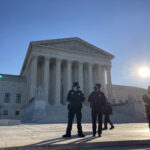 U.S. Supreme Court: States warned the Supreme Court this week against allowing President Donald Trump to enforce an executive order upending mail-in voting ahead of November’s midterm elections. Led by California, officials in 23 states and the District of Columbia urged the justices to keep Trump’s order on pause, arguing that the proposed changes posed a high risk of errors and a limited window to correct them. “[Trump’s] rushed effort to change the rules of mail voting on the eve of the November midterms risks disenfranchising a substantial number of voters — an intolerable risk that weighs heavily against a stay,” the states wrote. The “Ensuring Citizenship Verification and Integrity in Federal Elections” order directs the federal government to create lists of eligible voters in each state and instruct the U.S. Postal Service to deliver mail ballots only to verified voters. It also requires mail ballots to be used with secure envelopes featuring unique tracking barcodes. Federal funding could be withheld from states and localities that do not comply. States questioned whether the program could be implemented as soon as this month. It would require the Postal Service to create a portal for states to upload voter rolls, scan ballot barcodes to verify voter eligibility and withhold delivery of ballots for voters not found in the database. “Even with ‘heroic efforts’ by state and local officials in the coming weeks, the EO’s rollout would be ‘disastrous from a practical perspective,’” the states wrote.
The Center for Election Innovation and Research (CEIR) organized election officials and experts for an amicus brief urging the US Supreme Court to block President Trump’s executive order on voter citizenship verification and mail voting. The order directs the US Postal Service to create pre-approved lists of voters eligible to receive mail ballots and directs the Secretary of Homeland Security to provide states with lists of individuals it deems to be citizens in each state. It also prioritizes federal criminal prosecution of election officials who provide ballots to individuals the federal government deems ineligible. A bipartisan and geographically diverse group of 118 state and local election officials, 19 local governments, and two clerks’ associations — represented by Public Rights Project and the Washington Litigation Group — filed an amicus brief in California v. Trump urging the court to maintain a lower court’s block on the order while the appeal moves forward.
 Federal Litigation: Judge Adam B. Abelson of the US District Court of the District of Maryland preliminarily blocked the Trump administration’s ban on allowing nonprofit groups to register new US citizens to vote at naturalization ceremonies The plaintiffs “have made a very strong showing that they will prevail on the merits of their claim that the Ban is an unconstitutional restriction on their free speech rights,” Abelson wrote. He similarly ruled on claims under the Fifth Amendment and the Administrative Procedures Act for the preliminary injunction he issued. “The Court is unconvinced that requiring the government to apply the same policy it has been applying for decades and has only recently changed would cause any significant disruption or confusion,” Abelson, an appointee of President Joe Biden, wrote as a reason not to let his ruling move forward. The ruling is a victory for challengers of the policy waged through two lawsuits, one by the League of Women Voters entities and the other by the New Orleans chapter of the National Council of Jewish Women. The lawsuits were filed after the administration in August 2025 enacted rules that only allow US Citizenship and Immigration Services field officers and state and local election officials to provide voter registration services at naturalization ceremonies. This excluded nonprofits and other groups that provided such services for years.
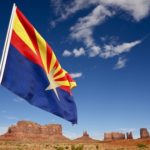 Arizona: A law firm aligned with President Donald Trump is suing Arizona Secretary of State Adrian Fontes over how he plans to describe a Republican election reform proposal on November general election ballots. America First Legal, which was co-founded by Trump advisor Stephen Miller, accuses Fontes of using misleading language to describe Proposition 144. That’s a proposal sent to the ballot by Republican lawmakers that would make a number of changes to Arizona election laws, including requiring all voters to present an I.D. to cast a ballot, even if they vote by mail. Prop. 144 would also ban foreign nationals from contributing to efforts to influence campaigns in Arizona and give the Legislature broad latitude to change election laws in the future to speed up vote counting and maintain election security. The lawsuit, filed on behalf of three Arizona voters who say they support Prop. 144, takes issue with a 50-word “descriptive title” and other language Fontes crafted that will appear on the ballot. The descriptive title crafted by Fontes states the proposed law “requires all voters, including voters who vote by mail, to show government-issued ID to vote in each election; makes other changes to election administration and campaign finance prohibition.” “The Secretary’s 50-word descriptive title and six-clause ‘yes’-vote statement omit Proposition 144’s primary purpose: ensuring that only citizens register and vote in Arizona elections,” according to a statement from America First Legal. The lawsuit also claims that “yes-vote statement,” which explains the impact the law will have if approved by voters, is flawed.
 Arkansas: Supporters of a proposal to strengthen direct democracy asked the Arkansas Supreme Court Wednesday to order the secretary of state to verify signatures submitted in favor of putting the measure on the November ballot. The lawsuit asks the court to reverse Secretary of State Cole Jester’s rejection of the petitions for the proposed constitutional amendment, which would prohibit lawmakers from amending or repealing constitutional amendments approved by Arkansans and require voters to approve new laws that affect this process. Jester, a Republican, last week told the proposed constitutional amendment’s sponsors that 19,924 petition pages submitted to his office had an incorrect ballot name on them. “We’re asking the Arkansas Supreme Court to let the voters decide this ballot measure, not Secretary Jester,” said Alexander Jones, one of the attorneys representing the seven petitioners in their legal complaint. At least 90,704 valid signatures from registered voters must be submitted for a proposed constitutional amendment to qualify for the ballot. The ballot question committee Protect AR Rights submitted 95,111 signatures, according to the complaint, but Jester said his office would not count any signatures under a different name than the one Attorney General Tim Griffin approved. The popular name Griffin’s office certified last year was “The Arkansas Ballot Measure Rights Amendment.” The name attached to the signature pages was “The Ballot Measure Rights Amendment of 2026,” which Jester’s office shared online. These changes did not create “any material confusion to Petitioners or the other lawful voters who signed petitions in support of” the proposed amendment, the complaint states.
 Colorado: U.S. District Judge Philip Brimmer dismissed a lawsuit from the Trump administration that sought to compel Colorado Secretary of State Jena Griswold to hand over sensitive voter information to the federal government. Colorado was one of 30 states the administration sued for a refusal to supply unredacted voter information. So far, the U.S. Department of Justice has lost 20 of those cases. “Trump and his DOJ are attacking elections and democracy,” Griswold, a Democrat, said in a statement. “We will not let them win. Today’s victory affirms that Trump’s DOJ has no right to Coloradans’ sensitive voter information.” The DOJ sued Colorado in December to demand a copy of its statewide voter registration list that includes full names, dates of birth, addresses and either voters’ driver’s license numbers, last four digits of their Social Security numbers or their unique identifiers provided under the Help America Vote Act. The department first requested that information in May 2025, and then again in December when Griswold shared only publicly-available information. The federal government claimed it wanted the information from Colorado and elsewhere to ensure compliance with federal election laws, and argued it had authority to request the information as a statutorily-defined record. Denver-based U.S. District Judge Philip Brimmer wrote in his order, however, that the voter registration list is “not a record or paper that must be produced pursuant” to statute. Brimmer was nominated to the court by President George W. Bush. The DOJ is unable to refile the claim against Colorado because Brimmer dismissed the case with prejudice.
 Florida: Giorgio Dominique Mucelli, a Canadian national, has been charged by the Florida Attorney General’s Office after authorities said he illegally voted in seven general elections over two decades. Mucelli registered to vote in Brevard County on April 9, 2004, after claiming he was a U.S. citizen. Uthmeier said Mucelli voted in the general elections in 2004, 2006, 2008, 2012, 2020, 2022 and 2024. According to Uthmeier, Mucelli proceeded to vote early in the 2020, 2022 and 2024 elections and presented photo identification. At the time of voting, authorities said he falsely affirmed that he was a qualified elector. In January 2026, the Brevard County Supervisor of Elections determined that Mucelli was ineligible to vote based on his lawful permanent resident status and information in the federal Systematic Alien Verification for Entitlements (SAVE) database. After being notified that he was ineligible, authorities said Mucelli contacted the Supervisor of Elections Office and claimed he had not falsely voted. During an interview, authorities said Mucelli later admitted to voting in previous elections, lying to election officials and acknowledged that he was ineligible to vote because he was a lawful permanent resident. Investigators also documented his lawful permanent resident card and Canadian passport. Mucelli was charged with one count of voting by a noncitizen elector, a third-degree felony, and one count of false affirmation, also a third-degree felony.
 Illinois: U.S. District Judge Colleen Lawless in the Central District of Illinois tossed a lawsuit filed by the U.S. Department of Justice, saying the federal agency cannot compel the Illinois Board of Elections to release sensitive information about the state’s roughly 8.3 million registered voters. Seven months after Trump’s DOJ filed suit, Lawless dismissed it with prejudice, meaning it cannot be refiled. Lawless’ 14-page opinion cites a lack of authority from the federal government to demand the Illinois voter rolls. “We’ll let the order speak for itself,” Matt Dietrich, a spokesperson for the Illinois Board of Elections, said in an email. Originally filed in federal court last Dec. 18, the suit sought a judge’s order instructing state election officials to release to then-U.S. Attorney General Pam Bondi “the current electronic copy of Illinois computerized statewide voter registration list, with all fields, including each registrant’s full name, date of birth, residential address, and either their state driver’s license number, the last four digits of their Social Security number” or other unique identifier.
Thorn Smith, 68, of Peoria was acquitted of voting more than once during a municipal election last year. Jurors deliberated for a bit less than two hours before finding Smith not guilty of voting more than once, a felony that could have sent Smith to prison for up to five years. Smith was accused of voting more than once in the April 1, 2025, general election. He allegedly “after having voted once, knowingly accepted another ballot.” Smith voted using a mail-in ballot and on April 1, when he arrived at his polling place, an election judge’s computer indicated he had already gotten a mail-in ballot. “Despite this, Smith signed a form stating that he had not previously voted and proceeded to submit a second provisional ballot,” according to a press release from State’s Attorney Jodi Hoos’ office when he was charged. “Processes in place through the Election Commission noted this second illegal ballot, and it was not counted in the final certified election results.”
 Iowa: The Republican National Committee is backing the Iowa GOP in its efforts to return signature verification requirements on absentee voter ballots. It says this is a fight to restore safeguards for Iowa’s election integrity. The filing asks Iowa courts to remove an injunction in the state’s law that blocks the signature requirement. The Iowa District Court of Polk County approved the injunction on September 30, 2019, in a lawsuit between the League of United Latin American Citizens of Iowa (LULAC) and Iowa Secretary of State Paul Pate. The injunction blocks a law from 2017 that lets election officials dispute ballots with signatures that don’t match the voter’s signature on record. If the ballot is disputed, the voter can either send in a new ballot or update their signature on record. The judge ruled with the injunction that there could be a danger of inconsistent enforcement of the signature matching process. At the time, several county auditors said they would not enforce the signature verification procedure. LULAC said at the time the decision was a win against voter suppression and would clear the way for a strong Latino turnout for the 2020 election. The Iowa GOP is now asking the Polk County District Court to lift the injunction mainly because of “substantial” updates to state law, including enhanced ability for the Secretary of State to oversee elections.
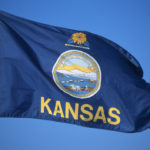 Kansas: The Kansas Supreme Court chose not to authorize an expedited review of lower court decisions temporarily blocking enforcement of a new state law repealing the three-day grace period for mail-in advance ballots. A majority of the state’s highest court declined Secretary of State Scott Schwab’s request for extraordinary intervention by justices despite the approaching statewide primary Tuesday. A dissenting opinion signed by two members of the Supreme Court, one appointed by a Republican governor and one appointed by a Democratic governor, argued for immediate intervention into the case. Under the statute adopted by the 2025 Legislature, only advance ballots reaching Kansas election offices by 7 p.m. on Election Day could be counted. A lawsuit was filed to challenge the constitutionality of the change. Douglas County District Judge Carl Folsom issued an injunction in mid-July that resulted, at least temporarily, in preservation of the 2017 law allowing the counting of mail ballots postmarked by Election Day but arriving in county offices up to three days after polls closed. Folsom’s order was based on his belief plaintiffs were “substantially likely” to succeed at trial in their bid to strike down the law closing the three-day window. The Kansas Court of Appeals declined July 27 to suspend the district court’s order. Schwab requested the matter be transferred to the Kansas Supreme Court. A majority of the Supreme Court declined both requests from Schwab, declaring the secretary of state failed to demonstrate “the expeditious administration of justice requires the transfer.” “To the contrary,” the majority of justices said, “the Court of Appeals appears ready, willing and able to administer justice at this stage of the case.”
 Minnesota: The Minnesota Voters Alliance urged the Minnesota Supreme Court to force the city of Minneapolis to use bipartisan election judges at early voting locations, arguing state law mandates such oversight before Election Day. The voter advocacy group says the city violates state election laws by relying on nonpartisan early voting officials, such as city clerks and municipal staff, rather than election judges at early voting locations.The group contends in a petition filed June 11 that while state statutes permit any election staff to perform basic administrative tasks during early voting, key statutory duties — such as assisting voters with ballot marking, handling curbside voting and resolving registration challenges — remain strictly reserved for election judges. “It would be senseless to require all those checks and balances on Election Day only to allow them to be completely circumvented by an early voting process where anything goes,” attorney Nicholas Nelson said. Attorneys representing the city of Minneapolis and the Minnesota secretary of state pushed back, warning that imposing full Election Day staffing rules onto early voting sites would disrupt local election administration, especially in rural areas. “The Legislature was well aware of who would administer early voting, what they would do and the burden that would be placed on these counties and municipalities,” Adam Szymanski, senior assistant city attorney for Minneapolis, said. “Petitioners, however, urge this court to impose a burden on election officials and voters the Legislature did not require and plainly did not intend.”
 New Mexico: In July, the New Mexico Secretary of State’s Office agreed to release records related to state voters erroneously labeled as deceased, following a lawsuit from a national foundation that has filed similar lawsuits against states across the country. The Public Interest Legal Foundation filed a lawsuit in June after the Secretary of State did not produce records that would show how often and how quickly the state corrected its voter rolls upon learning it had erroneously deemed a voter as deceased. Central to the lawsuit is the Electronic Registration Information Center, also known as ERIC, which New Mexico and 27 other states use to share information regarding voters who have moved or died. ERIC notifies New Mexico and other states when it learns, primarily through the federal Social Security Administration, that a voter has died. ERIC also notifies states if it later learns that state election systems wrongly marked voters as deceased. Logan Churchwell, the foundation’s research director, told Source NM in a recent interview that the lawsuits are simply trying to understand better how states deal with deceased residents on voter rolls. “It’s early days, but the goal is to understand not just how many people, but how long does it take to get corrected?” he said. “And if there is a significant gap between the correction and them being re-established, are they missing opportunities to vote?”
 New York City: A group hoping to bring open primaries to New York City is taking the city clerk and the city’s Board of Elections to court after they thwarted the group’s effort to bring the issue to voters. In court papers, United NY, a nonpartisan advocacy group focused on election reforms, claims it filed more than enough valid signatures. But the city clerk invalidated the group’s petitions based on a review conducted by the Board of Elections. The group’s executive director slammed the city, saying it is acting on behalf of partisan interests. “This is by-the-book establishment politics, and we expected it,” said Anthony Thomas, Unite NY’s executive director. “The Board of Elections’ job is to favor political parties, not the overwhelming number of voters who support open primaries, or the 1.1 million independents shut out of the system.” The court filing asks that a judge review its petitions line-by-line. Vincent Ignizio, the deputy executive director and spokesperson of the New York City Board of Elections, declined to comment citing pending litigation. The city clerk did not immediately respond to a request for comment.
 Pennsylvania: Eugene Kopecki, a Republican Scranton voter and Lackawanna County have settled a federal lawsuit the voter filed because he never received a mail-in ballot in an election last year. The county Bureau of Elections sent corrected mail-in ballots to 545 Republican voters for the May 20, 2025, primary election because the first batch listed candidates for the May 2024 primary election. His lawsuit, filed Dec. 29, said Kopecki called the county Bureau of Elections to report the mistake. An official told him he would get a corrected ballot in the mail. He never did, “leaving him unable to vote in the 2025 primary election,” according to the suit. In all, 395 Scranton Republicans who received corrected mail-in ballots cast them in a primary election that included choices for the party nominee for Scranton mayor, the suit says. There was no mention in the settlement of monetary compensation. Under the consent decree and order settling Kopecki’s suit, filed Monday, the county agreed to, within six months: Adopt a written manual establishing “a comprehensive set of election-related policies and procedures to guide all aspects of (the county’s) administration of elections.” The manual must include “instructions for drafting, designing, proofreading, printing and quality control of mail-in and absentee ballots.” Develop a comprehensive training program for all election workers on how to handle mail-in ballots. Require all newly hired election employees to attend specialized training on election laws, policies and procedures.
 Texas: Ada Ngozi Otuka, a 63-year-old British national living in Katy, admitted to illegally voting in the 2020 federal election, officials say. According to the U.S. Attorney’s Office for the Southern District of Texas, Otuka pleaded guilty to illegal voting by aliens and false claim to citizenship. She reportedly pleaded guilty to falsely claiming to be a U.S. citizen when filling out her Texas voter registration and statement of residence. Federal officials say Otuka is a lawful resident, but she cannot vote in U.S. elections. However, records allegedly show she voted in 2012, 2016, 2018, 2020, and 2024. The U.S. Attorney’s Office says she did not respond to a notice in 2025 about her registration status being examined because information was received regarding her lack of U.S. citizenship. The U.S. Attorney’s Office says she filled out a naturalization application in 2025 that indicated she had voted unlawfully. At her sentencing, Otuka faces up to five years in federal prison for falsely claiming U.S. citizenship and another year for the conviction of illegal voting. She also faces a fine up to $250,000.
 Wisconsin: Dane County Circuit Judge Everett Mitchell ruled this week that absentee voting in Wisconsin discriminates against disabled voters, siding with groups that are seeking to force election officials to allow for electronic casting of ballots. But Mitchell stopped short of ordering electronic voting, setting up a trial on that issue later. It almost certainly will not be resolved before the November election. Disability Rights Wisconsin, the League of Women Voters and four disabled voters brought the lawsuit in 2024. They argued that the lack of an electronic absentee voting option violated their right to independence and privacy and the protections of the Americans with Disabilities Act. Mitchell issued a temporary injunction in 2024, saying that disabled voters should have the option to vote electronically. But an appeals court reversed that ruling, sending it back to the lower court, saying it was wrong to issue a temporary injunction that would have changed and “significantly disrupted the status quo.” Mitchell ruled on Aug. 4 that the state’s absentee ballot program, which requires voters to complete and return a ballot on paper, denies disabled people “the equal opportunity to vote absentee privately and independently.” The judge declined to order elections officials to offer electronic ballots to qualified disabled voters, saying the parties still disputed whether that was a reasonable remedy. The judge noted that those included the difficulty of instituting such a program and the risks involved.
Opinions This Week
National Opinions: Artificial Intelligence | SAVE Act| Federal interference | Election process | Voter ID | Voting Rights Act, II | Native American voting rights | Ranked choice voting |
Alaska: Ranked choice voting, II | Election system | SAVE Act |
Arizona: Native American voting rights | Secretary of state |
California: Citizenship |
Connecticut: Illegal voting | Early voting |
Florida: Natural disasters | Vote by mail |
Iowa: Secretary of state |
Kansas: Vote by mail |
Maine: Election security |
Michigan: Federal interference | Election process |
Mississippi: Election security |
New Jersey: Voter registration error, II, III, IV, V |
New York: Open primaries | Election security |
North Carolina: Election administration |
Oklahoma: Runoffs |
Oregon: Ranked choice voting |
Pennsylvania: Local election officials |
South Dakota: Runoffs |
Texas: Tarrant County |
Utah: Local election officials |
West Virginia: Poll workers |
Wisconsin: Ranked choice voting |
Upcoming Events
Recipes for Success: Join The Elections Group for the second episode of Recipes for Success, their monthly webinar series featuring candid conversations with leaders across the elections administration landscape. Jennifer Morrell will sit down with Tammy Patrick and Drew Davies to talk about how they each found their way into this work, what has shaped their careers, and what they’re focused on today — plus the personal recipes they love. When: August 7, 1pm Eastern. Where: Online.
Oregon Association of County Clerks: The Oregon Association of County Clerks will hold its annual conference from August 10-13 in Burns.
National Poll Worker Recruitment Day: National Poll Worker Recruitment Day and Help America Vote Day were established by the U.S. Election Assistance Commission (EAC) to inspire civic engagement and encourage people to sign up to become a poll worker. The EAC will recognize August 11, 2026, as National Poll Worker Recruitment Day. These efforts aim to address the continued need for poll workers to sign up to Help America Vote and strengthen our democracy. When: August 11.
When Something Happens Webinar: The Center for Civic Design recently released When Something Happens, a nonpartisan voter messaging toolkit designed to assist in critical moments. The toolkit includes customizable social media templates to help you communicate with voters in the moments after something happens. To show you how to leverage the toolkit, the Center for Civic Design, The Elections Group and Ready For Tuesday invite you to join a webinar to learn more. When: August 12 at Noon ET, September 1 at 3pm ET, or September 24 at 1pm ET. Where: Online
WMCA 46th Annual Conference 2026: The Wisconsin Municipal Clerks Association will hold its annual conference from August 18-21 in Green Bay.
BDI Survey Briefing: Threats and Harassment Against Local Officials in 2026: Following a serious escalation in the political violence risk environment in 2025, new survey results show that local elected officials continue to face sustained threats to their safety and security in 2026. Based on responses from more than 460 officials during the first quarter of the year, the latest findings from the BDI-CivicPulse survey confirm that hostility remains unacceptably high: 54% of officials reported experiencing at least one form of hostility during the survey period, and 76% said they were less willing to engage in at least one key political activity due to concerns about hostility – the highest total rate on record. Join us for a deep-dive briefing on the latest survey findings followed by a Q&A with our research team. When: August 19, 11am Eastern. Where: Online.
Election Center 41st Annual Conference: The National Association of Election Officials (Election Center) will hold its 41st Annual Conference in Kansas City, Missouri from August 19 to 21. CERA classes will be offered August 22 and 23. When: August 19 to 21. Where: Kansas City, Missouri.
UAC Annual Convention: The Utah Association of Counties will hold its annual convention from September 8-10.
National Voter Registration Day: First observed in 2012, over 5 million voters have registered to vote on National Voter Registration Day to date. As many as 1 in 5 eligible Americans are not registered to vote. Help us change that by joining the country’s largest single-day voter registration drive and organizing a registration event in your community! When: September 15.
2026 WACO Conference: The Wyoming Association of County Officers-County Clerks will hold its annual conference from September 22-24 in Laramie.
2026 MACO Annual Conference: The Montana Association of Counties will hold its annual conference from September 27-30 in Helena.
National Voter Education Week: Voters should have the information they need to cast their ballots with confidence. That’s where National Voter Education Week comes in. Help voters find their polling location, understand their ballot, and make a plan to vote by joining our week-long campaign. When: October 5-9.
Election Hero Day: Election Hero Day is a nonpartisan, national celebration recognizing the tremendous contributions that election officials, their staff, and poll workers make to ensure a safe, secure voting experience for all Americans. Taking place on October 20, 2026, nonprofits, business leaders, brands, public officials, and more will unite to honor the election heroes in our communities. With your support, Election Hero Day will help boost election official morale ahead of Election Day and send a clear message to the public that we support our friends and neighbors who play such a vital role in preserving our democracy. When: October 20.
Vote Early Day: When Americans vote early, they ensure last-minute problems, long lines at the polls, confusing election laws, or voter disinformation cannot prevent us from casting our ballot. Vote Early Day is a tentpole moment for partners nationwide to engage with voters and empower them with the tools to cast their ballots early. When: October 27.
Job Postings This Week
electionlineWeekly publishes election administration job postings each week as a free service to our readers. To have your job listed in the newsletter, please send a copy of the job description, including a web link to mmoretti@electionline.org. Job postings must be received by 5pm on Wednesday in order to appear in the Thursday newsletter. Listings will run for three weeks or till the deadline listed in the posting.
Account Executive, VotingWorks– We are looking for a trusted sales leader who understands that election administrators don’t buy voting machines, they buy trust, both in the equipment and in the vendor. All 83 of Michigan’s counties will soon open at once, and we are in the running for the state RFP enabling us to sell our voting machines. Incumbents will have to re-earn their contracts, and we’ll be competing on equal footing for the first time. This opportunity is time bound. Trust matters deeply in this market. Your job is to build relationships and earn credibility quickly with state and local election officials. You will own the full Michigan territory. You’re responsible for the entire sales process: building pipeline, running demos, navigating procurement, and closing deals. We want sustainable sales contracts that are technically sound, politically supported, and set up for a clean handoff to Customer Success. For your first demos, you’ll be paired with our Executive Director and our Head of Customer Success to learn the messaging and the product. Once you take on demos on your own, you should still know when to bring in executive support and when to handle things yourself. This is a competitive market with a real window of opportunity. If you want to sell something that actually matters to Democracy, and you’re energized by moving fast when the timing is right, we’d like to meet you. Application: For the complete job listing and to apply, click here.
Accounts Payable & Payroll Specialist, King County, Washington– This is an amazing opportunity to be engaged in the election process! The Department of Elections is searching for energetic and resourceful professionals who like to “get stuff done”. The Accounts Payable & Payroll Specialist position in the Elections Department combines an exciting, fast paced environment with the opportunity to cultivate talents and apply a variety of skills. The ideal candidate will thrive in an innovative and fast-paced environment and will not hesitate to roll up both sleeves, work hard, have fun, and get the job done. We are seeking a detail-oriented and collaborative professional to support payroll, finance, and human resources operations. The Accounts Payable & Payroll Specialist supports the department’s mission by processing vendor payments and payroll, maintaining accurate financial and employee records, supporting audits and reporting, and contributing to continuous improvement initiatives. Work is performed under limited supervision and requires independent judgment. This position reports directly to the Administrative Services Manager and works closely with both the Finance Administrator I and the Human Resource Analyst. The ideal candidate thrives in a fast-paced environment, values accuracy and confidentiality, and enjoys delivering exceptional customer service to employees and partners throughout the organization. Salary: $32.44 – $41.25 Hourly. Application: For the complete job listing and to apply, click here.
County & Customer Support Manager, Oregon Secretary of State’s Office– In this role you will serve as a key member of the Elections Division management team. You will oversee all aspects of the Division’s work supporting Oregon’s 36 county elections offices, ensuring counties receive consistent, accurate, and timely guidance related to voter registration, election management, election management systems, interpretation of statutes and rules, and implementation of statewide procedures. You will also oversee the Division’s voter service operations. The duties of this position are accomplished by, but not limited to: Managing a team of people with diverse skillsets and levels of experience. Coaching and providing feedback on performance and work products. Providing guidance about policy implementation, procedures, and processes. Interpreting and applying state and federal laws, administrative rules, policies, and procedures. Providing oversight, guidance, and subject matter expertise on a variety of election technology solutions including voting systems, ballot sorting equipment, voter registration technology, and election management systems. Collaborating with counties and internal partners to evaluate system, operational, and process needs. Providing day to day support to counties and assist them in responding to public inquiries and resolving complex voter registration or election management issues. Overseeing a robust public facing customer support program that provides Oregonians with timely, accurate, and clear information on voter registration and election processes. Overseeing and managing contracts and vendor performance. Salary: $7,216 – $11,720. Deadline: August 9. Application: For the complete job listing and to apply, click here.
Customer Support Center Consultant Level 1, Hart InterCivic– The Customer Support Center Consultant Level 1 (CSC 1) provides Tier 1–2 support for Hart InterCivic products, helping customers troubleshoot issues and keep election operations running smoothly. The CSC I’s primary responsibilities are to: Resolve and route customer issues via phone, email, and remote tools; Document cases in the CRM and communicate status through resolution; and Use product documentation to deliver clear, customer-friendly solutions. This role researches and resolves issues, supports hardware/software configuration and deployment, and provides training or on-site support as needed. It also documents processes and partners with other departments to improve service delivery. This position follows the Proprietary Information and Intellectual Property Agreement and is responsible for protecting company information, including when working off-site or outside normal hours. Application: For the complete job listing and to apply, click here.
Cybersecurity Assessor (Election Security), Apollo Information Systems: The Technical Assessor conducts in-depth technical and program-level cybersecurity assessments of client environments, identifying risk, measuring control maturity, and producing clear, actionable guidance that advances each client’s security posture. This is an experienced assessor role: the individual independently leads assessments end to end, evaluates complex environments against multiple frameworks, and is a trusted voice in front of both technical teams and executives. The assessor also helps mature Apollo’s assessment method. Salary: $80K – $120K. Application: For the complete job listing and to apply, click here.
Deputy Director, New Hanover County, North Carolina– Are you an experienced elections or public administration professional with a strong commitment to public service? New Hanover County is seeking an Elections Deputy Director to support the Elections Director in overseeing daily operations and ensuring the successful delivery of election services. This role provides staff supervision and assists with procedural and technical improvements, voter education programs, public communications, in-person voting operations, Board of Elections meeting preparation, and election official training. The Deputy Director ensures continuity of operations in the Director’s absence and directly supervises teams responsible for voter registration, outreach, and logistics, maintaining a high level of customer service during large-scale election events and periods of increased demand. Salary: $62,126.00 to $83,870.50. Application: For the complete job listing and to apply, click here.
Deputy Elections Administrator, Tarrant County, Texas – The Deputy Elections Administrator is responsible for assisting with and overseeing the daily operations of the Elections Administration Department, including coordination of Voter Registrar duties and all election management activities for Tarrant County. This position provides executive-level operational and tactical leadership and exercises full authority in the absence of the Elections Administrator. Responsibilities include managing personnel, directing election logistics, ensuring legal compliance, overseeing technology and equipment deployment, coordinating poll worker operations, and maintaining the integrity and security of all election processes. Application: For the complete job listing and to apply, click here.
Director of Technology and Security Initiatives, National Association of Secretaries of State– Role Includes: Lead NASS Technology & Security Initiatives; Lead NASS Tech Talk Group for IT Leaders in Secretary of State Offices; Federal and Stakeholder Affairs; Member Office Assistance; and NASS Internal Technology and Security Assistance This position is hybrid – working from home and the NASS DC office with about 1-3 weeks of travel per year. Fully remote applicants may be considered. Salary: $90,000-$110,000. Application: For the complete job listing and to apply, click here.
Election Assistant, Olmsted County, Minnesota– Under supervision, assists with Olmsted County’s election process. Provides customer service to voters in person and via mail. Answers phone calls, directs the public to polling places, monitors supplies, and answers questions. Supports a diverse, respectful, and inclusive workplace. Examples of Work: Assists voters with the absentee voting process. Performs clerical duties including customer service, filing, answering phone calls and data entry to support the election process. Assists on Election Day by answering questions, monitoring supplies, and directing traffic. Processes absentee records on a statewide system. Prepares equipment and supplies for Election Day. Assists with election judge training. Performs other related job duties as assigned. Recognized as one of the best places to work in Southeast Minnesota for three consecutive years, at Olmsted County every role helps to foster a vibrant community where everyone thrives. Our employees are at the heart of everything we do, driving public service excellence and community well-being. We don’t just offer a job, we offer a career filled with purpose, growth, and fulfillment. Our benefits package ensures your wellbeing, while career advancement opportunities and professional development empower you to reach your full potential. Join us, and you’ll be part of a purpose-driven team where your work truly makes a difference. Together, we build a sustainable, healthy, and welcoming community. Salary: $21.30 – $35.59 Hourly. Deadline: August 13. Application: For the complete job listing and to apply, click here.
Elections Program Manager, Oregon Secretary of State’s Office– In this role you will serve as a key member of the Elections Division management team. You will oversee all aspects of the Division’s work related to voters’ pamphlet, translations, candidacy filing, initiative, referendum, referral, and recall programs. The duties of this position are accomplished by, but not limited to: Managing a team of people with diverse skillsets and levels of experience. Coaching and providing feedback on performance and work products. Providing guidance about policy implementation, procedures, and processes. Interpreting and applying state and federal laws, administrative rules, policies, and procedures. Providing oversight, guidance, and subject matter expertise on a variety of programs including candidacy filing and eligibility; voters’ pamphlet submissions and translations; and initiative, referendum, and recall petition filings and verification. Collaborating with internal partners to evaluate system, operational, and process needs. Overseeing program staff that provide day-to-day support to filers and local election administrators and assisting them in responding to and resolving complex procedural and legally-sensitive issues. Overseeing and managing contracts and vendor performance. Salary: $7,216 – $11,720. Deadline: August 9. Application: For the complete job listing and to apply, click here.
Executive Director, Ranked Choice Voting Resource Center– The Ranked Choice Voting Resource Center is a national, nonpartisan 501(c)(3) organization dedicated to making ranked choice voting elections successful. We provide research, education, technical tools, and practical support to election administrators, policymakers, advocates, media, and the public. We currently support our partners across the country with a remote, distributed team of seven full-time staff members and a $1M annual budget. The incoming Executive Director will lead the Center’s next phase of growth — expanding our team and revenue base while maintaining the credible, high-caliber service that has earned the trust of partners nationwide. In the process, you’ll help shape the delivery and public perception of election innovation in the United States. Salary: $140,000 – $175,000. Application: For the complete job listing and to apply, click here.
GIS Specialist, Palm Beach County, Florida– Help power accurate, well-run elections through smart mapping and rock-solid data. As a GIS Specialist II with the Palm Beach County Supervisor of Elections, you’ll own core geospatial datasets, turn complex information into clear maps and insights, and improve the workflows teams rely on to plan and execute election operations. Your work helps ensure precinct, polling place, and district data is accurate and easy to use—supporting operational readiness, transparency, and timely decision-making. You’ll maintain and enhance GIS databases, produce print and web-ready map products, perform quality control and spatial analysis, and keep GIS synchronized with the Voter Registration System. You’ll collaborate with both technical and non-technical teams, document standards and changes, and provide training and troubleshooting support. Salary: $72,800 to $87,000. Application: For the complete job listing and to apply, click here.
IT Assistant Manager, Palm Beach County, Florida–The Assistant IT Manager plays a vital and supportive role in ensuring the smooth operation of the IT department, aligning both the technical infrastructure and the team with the organization’s goals. This position involves collaborating closely with the Election Technology Director to oversee the implementation of technology solutions that meet the organization’s needs. The Assistant IT Manager helps maintain an efficient and effective IT environment. The Palm Beach County Supervisor of Elections Office is committed to hiring talented individuals with diverse experiences that will enhance the services we provide to the residents of Palm Beach County. We are always looking for dedicated individuals who do all things with Integrity and Accountability, who excel in Customer Service, and believe in Transparent, Secure Democracy. At the Supervisor of Elections Office, we strive to help our employees find passion and purpose. Join us in being the best place to vote. Salary: $85000 to $125000. Application: For the complete job listing and to apply, click here.
Registration Specialist/Senior Registration Specialist, Arapahoe County, Colorado – The Registration Specialist is an entry level position responsible for supporting the daily operations of the Voter Services Team in the Arapahoe County Clerk and Recorder’s Office. This position is responsible for providing excellent customer service while assisting with voter registration processing and upkeep of database integrity. The Registration Specialist must be able to complete assignments of basic scope or complexity with limited assistance. Salary: $19.62 – $35.61. Deadline: August 10. Application: For the complete job listing and to apply, click here.
Wisconsin State Lead, Vet the Vote– We the Veterans and Military Families seeks a highly organized, mission-driven State Lead who is passionate about positive patriotism, public service, and our mission to empower the veteran and military family community to strengthen America. The ideal candidate is a strong communicator and relationship-builder who can manage multiple projects, coordinate with state partners and election officials, and support program execution with attention to detail and follow-through. This role is well-suited for someone who thrives in a fast-paced, collaborative environment and is motivated by nonpartisan, values-driven work. Candidates with experience in election administration and/or organizations supporting the veteran and military family member community are strongly encouraged to apply. Salary: $5,000/month. Application: For the complete job listing and to apply, click here.
Marketplace
electionline provides no guarantees as to the quality of the items and the accuracy of the information provided about the items in the Marketplace. Ads are provided directly by sellers and are not verified by electionline. If you have an ad for Marketplace, please email it to: mmoretti@electionline.org